
What to Consider When Buying Gravel Tyres
Plus, our pic of the best.
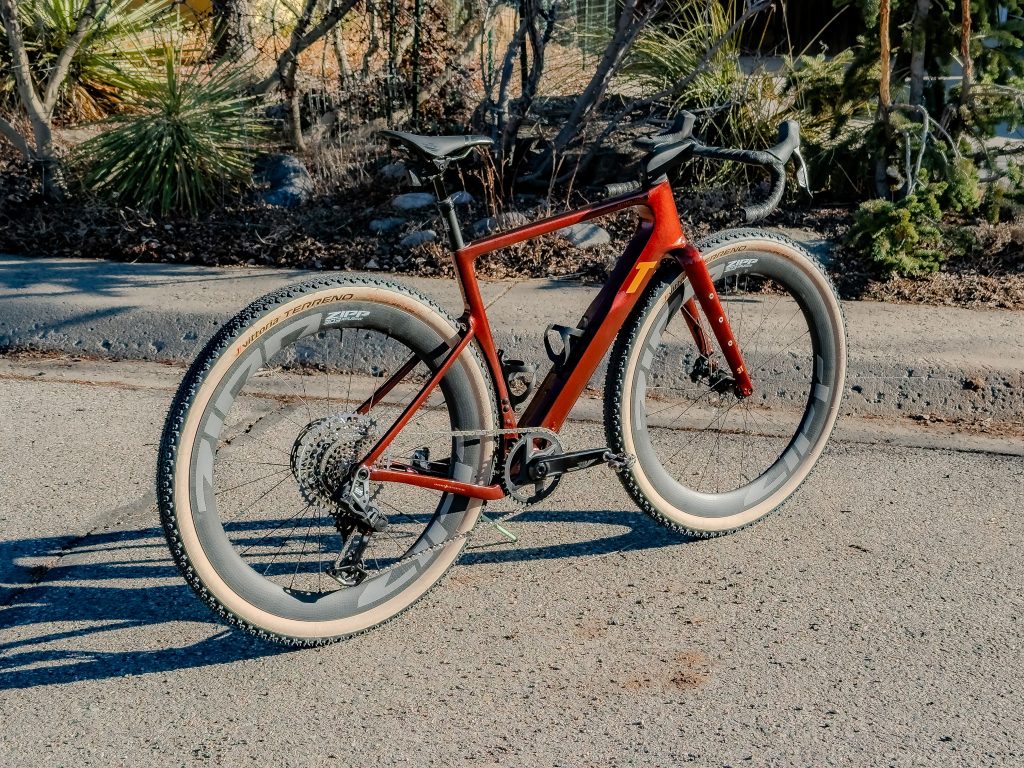
There’s a heated debate happening in the dusty world of gravel racing – is wider better? Gravel tyres come in all shapes and sizes, from knobblies not much wider than road tyres to plump rubber that wouldn’t be out of place on a mountain bike. Here are three issues to consider.
1. Ditch the tubes
You might still be able to get away with tubes on your road bike, but you really don’t want to be riding with them on gravel. The risk of punctures is so much higher when you’re dealing with rocks and sand. Plus, because gravel tyres are wider, you can run them at lower pressures, which is far better for tubeless anyway.
Almost all new gravel bikes ship with tubeless-ready wheels. If yours aren’t tubeless for some reason, consider upgrading.
2. Tyre width
Traditionally, any tyre measuring 35mm wide or more, with some tread, would have been considered a ‘gravel’ tyre; but 35mm is almost in road-riding territory these days.
Yup, the trend in this segment is the same: tyres are getting wider and wider. Last year, for example, Lachlan Morton won Unbound in the US – probably the biggest gravel race in the world – with a 2.1-inch (about 53mm) Vittoria Terreno Dry tyre on the front, and a 44mm Vittoria Mezcal on the back, only because he was limited by the frame clearance of his Cannondale Supersix EVO SE.
So if you’re shopping for a new gravel bike, it might be worth waiting a while, just to see how far the trend goes.
RELATED: Don’t Do This To Your Own Gravel Bike
3. Tread Pattern
Gravel tyres are probably the most versatile tyres you can get for a bicycle. They have to be – you need to be able to roll quickly on tar, and still get good grip when you head off-road. For this reason, the most popular gravel tyres often have a section of file tread in the middle, with taller blocks on the sides for extra traction through loose corners.
Our pic of Gravel Tyres

R1,300
BUY NOWThis high-performance gravel tyre is the rubber of choice for many pro gravel racers. The combo of a slick centre and more aggressive side knobs make it perfect for fast, mixed-terrain riding. They’re lightweight but not Vittoria Corsa-lightweight, because they’re also fairly decent at warding off punctures – something that should be high on your priority list for a gravel tyre. Take note that they’re only available in two widths: 42mm and 47mm. Go for the widest, if your frame allows.

R750
BUY NOWLike its mountain-biking cousins, the Maxxis Rambler is the kind of tyre you can rely on. When everyone else is hunched over their bikes on the side of the road fixing punctures, you’ll be the guy sailing through. Maxxis’ EXO casing is legendary in this regard, and the Rambler gets the full treatment. The trade-off is that it isn’t the lightest or fastest tyre; but that’s a small price to pay for the excellent reliability. The tread pattern prioritises traction on hardpack dirt, but they’re not too bad on loose gravel or in mud.
R945
Panaracer was one of the first brands to recognise the popularity of gravel, and their GravelKing range is legendary. Ask anyone who’s been riding gravel for a few years, and they will have owned a set. You can get GravelKings in various tread patterns, from knobbly to almost slick; and because Panaracer is Japanese, you also get them in limited-edition colours each year. For 2025, those colours are ‘Honey Butter’ (pictured) and ‘Cranberry’. Other tyres might offer more puncture protection, but do they match your bar tape?
READ MORE ON: gear gravel tyres tyres