
Drink Smarter: A Cyclist’s Guide to Proper Hydration
Everyone always goes on about the importance of drinking before you ride, while you ride, after you ride… But how much fluid do you really need?
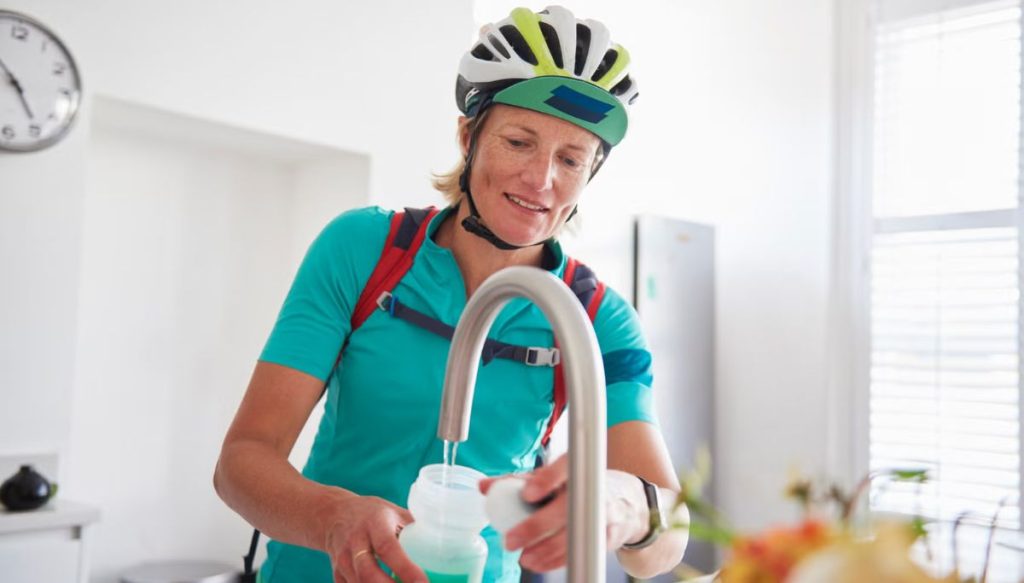
How much should a cyclist drink? To be frank, we don’t know. The amount of fluid you lose depends greatly on your fitness level, how well you’re accustomed to riding in the heat, and simply on your individual rate of fluid loss. Hydration is a highly personal thing.
One cyclist might sweat as little as 200ml per hour, while there are reports of athletes sweating more than 1.4 litres per hour!
One cyclist might sweat as little as 200ml per hour, while there are reports of athletes sweating more than 1.4 litres per hour! The concentration of sodium in the sweat we lose also varies enormously from person to person. The rule of thumb is to assume an average of around 1,000mg per litre, but it can range from half of that to more than 3,000mg per litre.
Hydration and weight loss
You’ve probably learnt that you weigh less after exercise because of the fluid lost through sweating. If you’re 2kg lighter after a training ride, you might assume you’ve lost 2 litres of body fluid. But recent research shows that this isn’t entirely correct. The carbohydrates, proteins and fats in our bodies bind to water. When these nutrients are burned for energy during exercise, that bound water is also released. Your body can then use this fluid during the activity, effectively adding to your total body water. This means you don’t need to drink quite as much to stay hydrated, and it also means that a 2% drop in bodyweight doesn’t necessarily equal a 2% loss of body fluid.
Drinking too much, and finishing an event at the same weight you started, increases the risk of hyperhydration and hyponatraemia – a dangerous condition in which the concentration of sodium in the body falls too low because of excessive water intake. The risks of over-drinking are actually greater than those of drinking too little! Hyponatraemia causes your cells to swell. If this happens in the brain, it can lead to coma and even death.
A little dehydration is not a problem
It’s not a big deal if you take in slightly less fluid than you actually lose. The key is to replace your fluid (and weight) loss after training by a factor of 1.5. For example, if you’ve ridden for three hours, lost 2 400 ml of fluid and drunk only 1 500 ml, you should aim to drink around 2 100 ml more in the hours after your ride. (2 400 × 1.5 = 3 600 ml)
If you know how much fluid you typically lose, and how much you can carry with you, you can start hydrating before your training session. That 1.5x guideline refers to total fluid intake around your ride: a generous glass before you set off, one or two bottles on the road, and another big glass as soon as you get home.
As a general rule, you shouldn’t lose more than 2% of your body weight in fluid.
As a general rule, you shouldn’t lose more than 2% of your body weight in fluid. If you lose more without replacing it, your performance will decline. Here’s why: when you lose a lot of fluid, the volume of blood plasma in your body drops and your blood effectively becomes thicker. To deliver enough oxygen and energy to your muscles, your heart has to work harder and the effort feels heavier. This is yet another reason to keep drinking. Adequate fluid intake after training also supports recovery.
Not Just Water
Just as important as how much you drink is what you drink. Plain water is fine for rides of up to about 90 minutes. But if you plan to cycle for longer – especially if you’re a heavy sweater – it’s better to use a sports drink or water with added electrolytes. These help you replace sodium, potassium and magnesium, all of which are lost when you sweat heavily.
If you drink only large amounts of plain water during a long ride, you also risk hyponatraemia. This is when the blood plasma becomes diluted and the concentration of key minerals such as sodium and potassium drops too low.
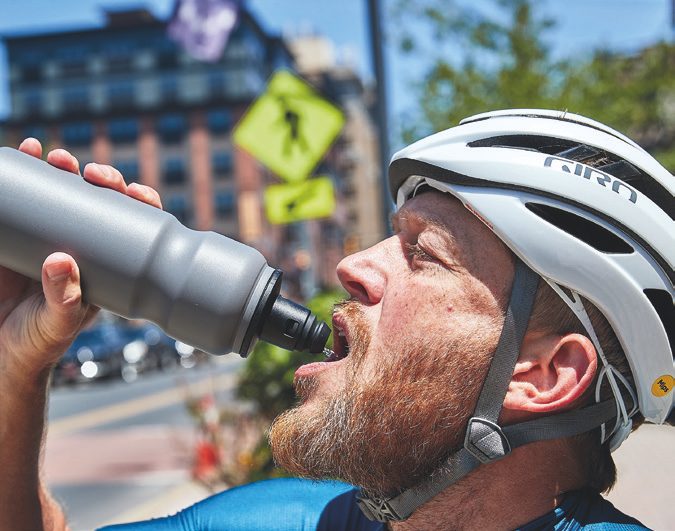
How To Hydrate Properly
As mentioned, the amount you need to drink is extremely personal, but for most cyclists it’s between 500 and 1 000 ml per hour. If you know roughly how much fluid you lose, then you also know how much you need to drink per hour. It might sound like a lot to take in! These tips can help.
Drink Plenty Before You Start
Starting your ride well hydrated is very important, especially when it’s hot – you need to make sure your body stays well hydrated throughout the day. Drink 500–750 ml of water or sports drink in the hour before you set off. This way you begin with a good fluid balance.
Drink Every 15 Minutes
Drink regularly, not just when you feel thirsty. As a guideline, it’s useful to take a few large sips every 15–20 minutes. Research has shown that it’s better to drink a slightly larger amount a few times than to take very small sips more frequently.
Do you forget to drink? Make sure your cycling computer displays the time so you can easily remind yourself to drink at the right moments. On some computers, you can even set a reminder that alerts you when it is time to drink (or eat). Very handy!
Drink in Combination with Eating
Train yourself to take a few large sips of water every time you eat something. In that case, a sports drink is not necessary, as you’re already taking in sugars and minerals in another way. If you have a bar or gel while riding, then immediately follow it with a drink from your bottle of water. This also helps with the absorption of the carbohydrates you’ve just eaten, ensuring you maintain enough energy.
Plan Your Long Rides Carefully
If you’re going on a long ride, make sure you know where you can refill your bottles. This can be particularly challenging abroad, as taps are not always easy to find. In addition, take a sachet of sports drink or an electrolyte tablet with you, so that you don’t have only water in the second part of your ride.
Make Sure You Have Good Bottles
This may sound like a strange tip, but some bottle are just plain awkward to use. It comes down to personal preference, but try to find a bottle that works for you, or choose a hydration pack for off-road rides. Make it as easy as possible to drink, so that the barrier to staying hydrated is as low as possible.
Extra Fluid Through Food
If you’re one of those struggle-to-drink-enough people, these food items all contain a lot of fluid, meaning you can get more than a third of the daily fluid you need, just from your diet.
Bananas: Bananas are about 74% water. In addition, they contain important electrolytes like potassium and magnesium, which help maintain a good fluid balance. Make a delicious smoothie with (frozen) banana, yoghurt, and peanut butter: the ideal combination of protein, fluid, carbohydrates and a little healthy fat.
Watermelon: Eating low-fibre vegetables and fruit with a high water content during your training is often more effective than drinking plain water. Watermelon is one of the best choices: it’s made up of no less than 92% water and is full of natural sugars. The perfect snack after an intense session.
Soup: Bit of a no-brainer – soup is 90% water, and if yours also contains vegetables and protein, it becomes a good recovery meal. The sodium in soup also helps your body absorb the fluid more effectively. Our favourite: cold beetroot soup with a scoop of cottage cheese. The combination of beetroot and cottage cheese is excellent for muscle recovery.
Spinach: Good hydration depends on electrolytes. Spinach is one of the best sources of magnesium, a mineral involved in more than 300 chemical reactions in the body. On top of that, spinach is over 92% water, making it ideal as part of a recovery meal. Serve it with baked fish and roasted potatoes, or add a handful to your smoothie.
Radishes: Bet you didn’t think of this one! Radishes are not only refreshing because of their crisp taste; they’re also 95% water – perfect for a summer salad. Also important for cyclists: these small red bulbs are packed with vitamin C, which is essential for muscle recovery.
Oranges: Oranges are also full of vitamin C, but did you know they’re 88% water and contain anti-inflammatory compounds? At many races, orange segments are offered along the route – munch a few for instant energy.
Courgette: If you eat 150g of courgettes, you’ll have taken in about 35% of your daily recommended dose of vitamin C, along with a good amount of fibre and plenty of fluid. Courgettes are another winning ingredient in a post-ride smoothie, or you can make a light version of spaghetti by spiralling the vegetable and serving it with your favourite pasta sauce.