
6 Bike Parts You Should Never Grease and What to Use Instead
Putting grease in the wrong place can cause slipping, noise, and weak braking. Here are the bike parts to keep grease away from.
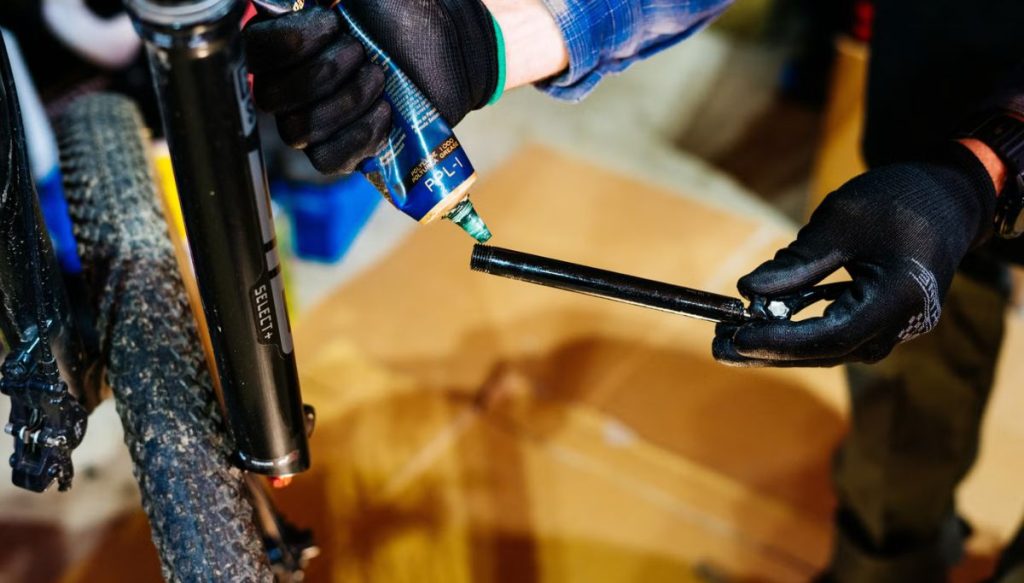
Grease is omnipresent on every bike mechanic’s workbench. It keeps bearings smooth, prevents creaks, and stops parts from seizing together. But that doesn’t mean you should apply it everywhere on a bicycle. In a few key areas, grease can actually cause problems, ranging from poor performance to safety issues.
Here are the spots on your bike to keep grease away from.
Brake Rotors and Brake Pads
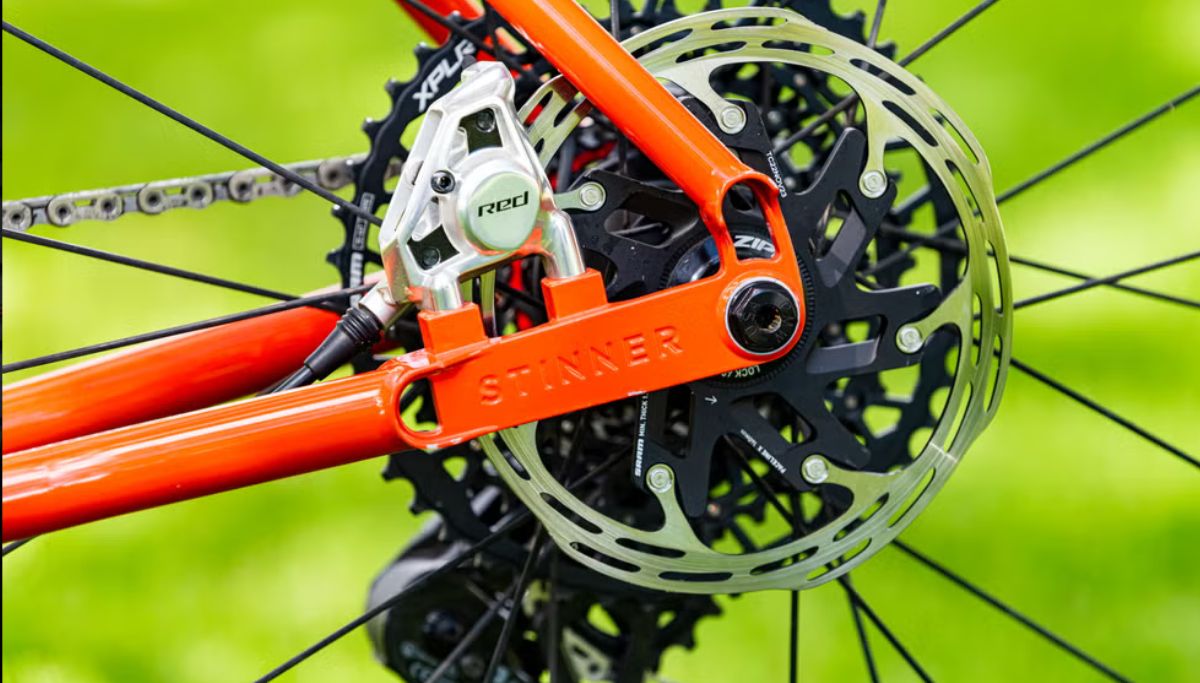
Might as well start with the most obvious one. Grease should never come into contact with any braking surface.
That means keeping it away from disc brake rotors, brake pads, and brake tracks. Even a small amount of contamination can reduce braking power to unsafe levels and require premature replacement of disc rotors and pads. If grease gets onto a rotor, it can often be cleaned with isopropyl alcohol. Pads are less forgiving. Once grease gets on them, they usually need to be replaced.
This kind of contamination is often accidental during routine maintenance. Greasing a thru axle or working on a drivetrain can leave residue on your fingers. Touching the rotor afterward transfers that grease directly to the braking surface.
It’s always a good habit to avoid applying grease directly with your hands. The pro-move here is to use a grease gun or syringe, as it avoids the contamination potential of a brush getting dipped back into the grease constantly. Wear gloves while working on your bicycle, and switch to a fresh pair when moving to the brakes.
Handlebar Clamp
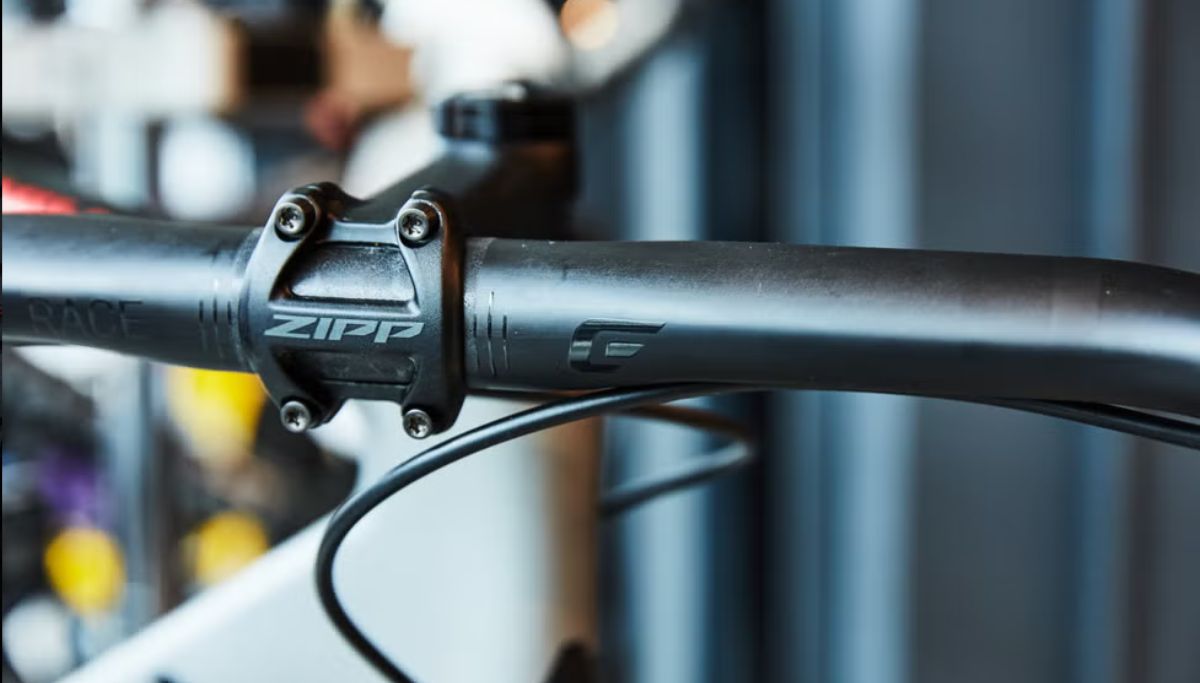
Another one that I thought would be obvious until I got a bike back from a mechanic (who will go unnamed) with grease at the bar clamp.
If you’re using aluminium bars, the default should be no grease, since you’re not trying to reduce friction at this critical safety assembly. With carbon bars, the default is again nothing, unless the bars are slipping when tightened to their maximum allowed torque. In these cases, you should add carbon assembly paste that is designed to increase friction without increasing torque.
Chains
Chains need lubrication, but grease is not the right choice.
Grease is too thick to work its way inside the rollers, where lubrication is actually needed. Instead, it tends to sit on the outside of the chain, where it quickly collects dust and grit. That dirt mixes with the grease and forms a grinding paste that accelerates drivetrain wear.
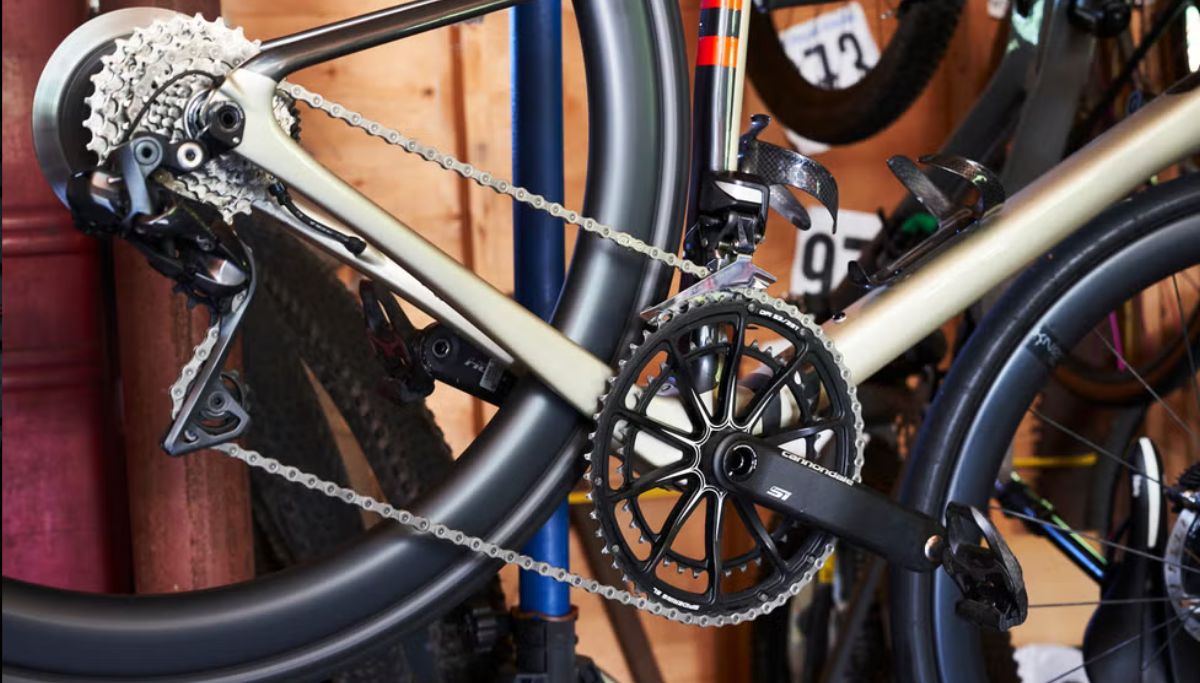
Purpose-built chain lubricants are designed to flow into the rollers and pins. They are thin enough to penetrate the chain but still leave behind a protective layer once the carrier evaporates. Whether you prefer wet lube, dry lube, or wax systems, they all work better than grease.
Freehub Internals
Inside most rear hubs is a freehub mechanism that allows the wheel to spin when you stop pedaling. Many freehubs use small pawls that engage a toothed ring inside the hub.
These mechanisms depend on quick movement. Thick grease can slow them down. When that happens, the pawls may not engage as quickly as they should. In extreme cases, it can cause slipping under load.
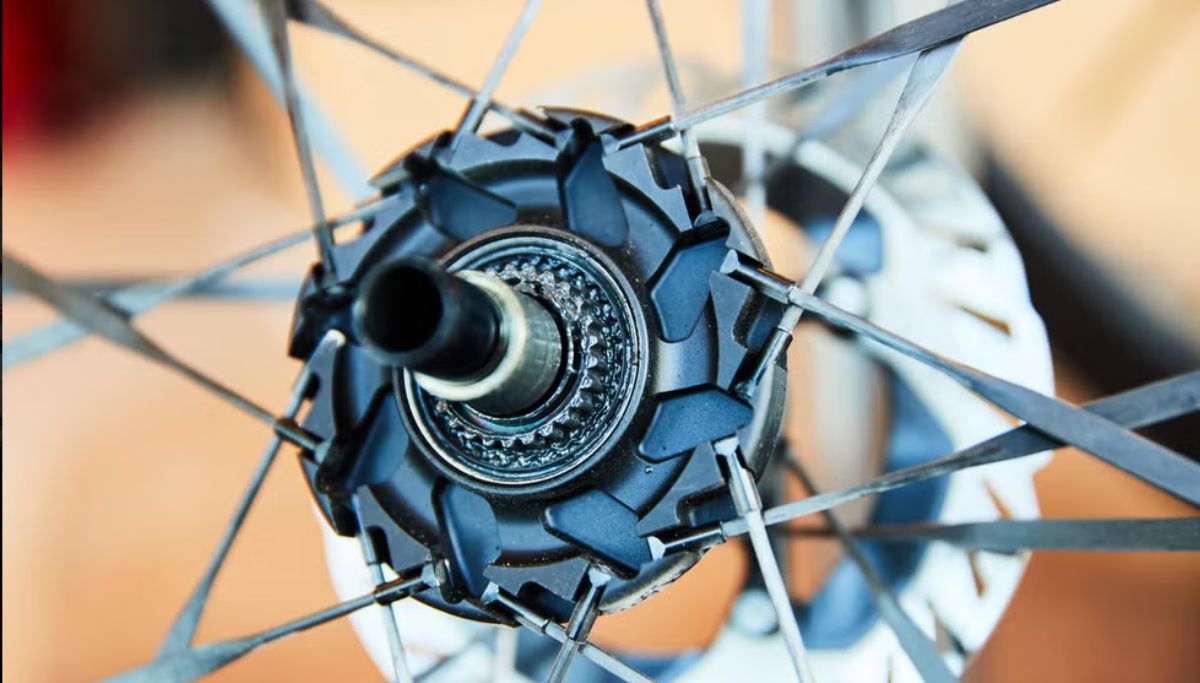
Most manufacturers recommend light oil or a very light grease for pawl systems. Some hubs use specific lubricants designed for their internal ratchet mechanisms. For example, hubs from DT Swiss use a special light grease for their star ratchet system. The main takeaway is that heavy general-purpose grease is not appropriate inside a freehub.
Carbon Parts
Grease works well between metal parts, but carbon components are a different story. Applying grease to a carbon seatpost or handlebar clamp reduces friction. That makes it easier for parts to slip even when they are tightened to the correct torque. A slipping seatpost or a rotating handlebar is frustrating at best and also poses a significant safety risk.
Instead, mechanics use carbon assembly paste. This paste contains small friction particles that increase grip between surfaces. And due to that extra grip, parts can be held securely with lower clamping force. If both surfaces are metal, grease is usually fine. If carbon is involved, assembly paste is the better choice.
Cassette Cogs and Chainrings
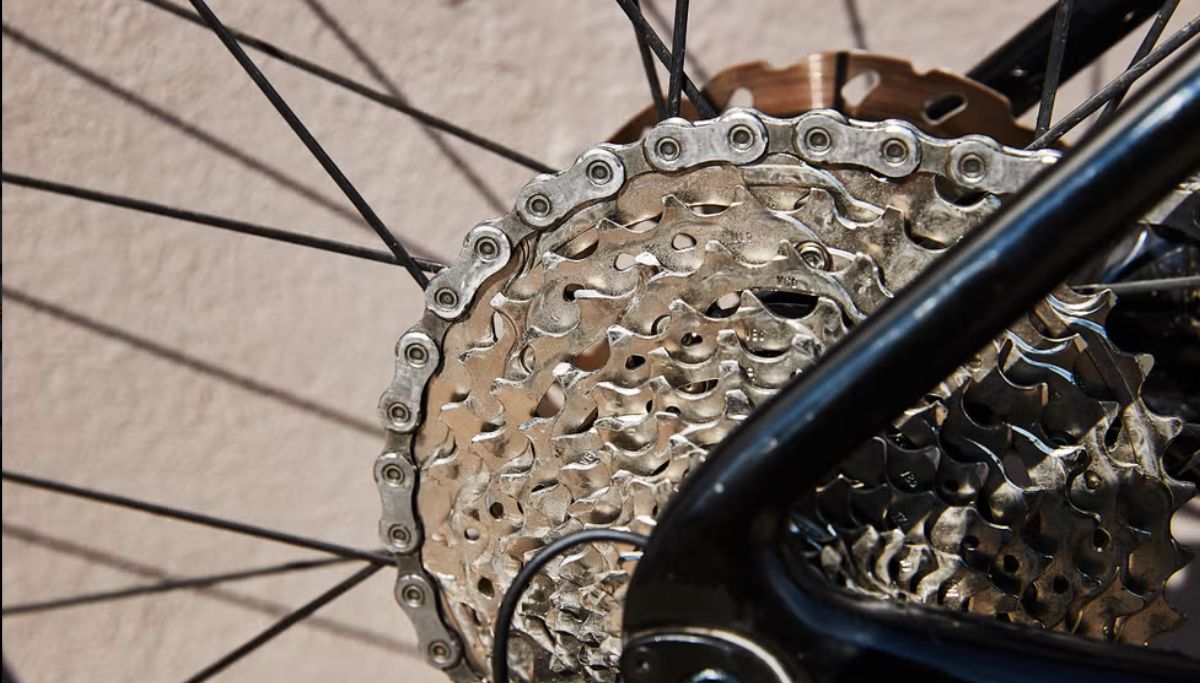
Grease should not be applied to the teeth of cassette cogs or chainrings. These surfaces are designed to mesh with the chain and rely on the chain’s lubricant for smooth operation. Adding grease here only collects dirt. That buildup can make the drivetrain noisier and accelerate wear.
The correct approach is to keep these parts clean and your chain properly lubricated.
A Simple Rule
A useful guideline is to think about what grease is designed to do. It works best where parts rotate against each other or where threaded metal parts need protection from corrosion.
That includes places like bottom brackets, pedal threads, and many bolt interfaces. However, when a component relies on friction, quick movement, or clean contact surfaces, grease is usually not the answer. It’s also worth remembering that as bikes get more complex and integrated, it becomes harder to give general maintenance advice. If you are ever unsure about whether you should be using grease in a specific part of your bike, it’s always good practice to double-check with the manufacturer or a mechanic that you trust.
READ MORE ON: grease maintenance