
How To Carbo-Load Like A Pro
Everything you need to know about maximising your energy before your next big race.
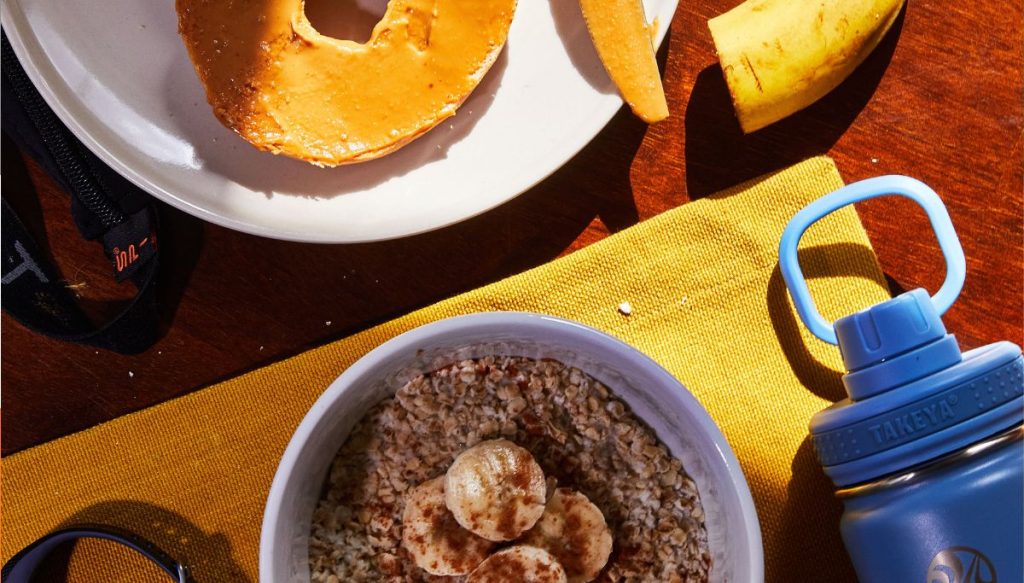
Whether you’re a beginner or a seasoned cyclist, you’ve probably heard of carbo-loading. But what exactly is it? Is it really necessary to help you ride faster and longer? And how do you actually do it?
We’ll explain the science behind carbo-loading, how to put it into practice, and how to avoid common mistakes.
Carbohydrates and glycogen
Cycling and carbohydrates are inseparable – carbs are the main source of our energy. If you don’t eat carbs before or during your ride, there’s a good chance you’ll hit the wall at some point.
HIGH-CARBOHYDRATE FOODS
– Plain slice of bread (no spread): 14-18g
– Pastry, e.g. currant bun: 25g
– Banana: 25-30g
– Apple: 16g
– 100g pasta/rice (measured uncooked): 62-72g
– 100g oats or muesli: 60-65g
– Energy gel: 25g
Carbohydrates are the best source of energy during (intensive) rides because they require the least oxygen to burn; that oxygen becomes increasingly limited during physical exertion. Burning fat, by contrast, demands much more oxygen.
The higher the intensity of the ride, the greater the proportion of energy that comes from carbohydrates. At rest, we primarily use fat for energy; during a race, it’s almost exclusively carbohydrates.
RELATED: 28 Energy-Boosting Carbs to Eat On and Off the Bike
Your body stores carbohydrates in your muscles and liver, in the form of glycogen. Each gram of carbohydrate provides four calories of energy, and you have about 400 to 500g of carbohydrates – or roughly 2 000 calories – stored in your muscles to fuel your body. In addition, your liver can store around 70 to 100g of glycogen.
Glycogen stored in your muscles is only released when you become active. How much glycogen you can store depends on your muscle mass, and how often you deplete and replenish those glycogen stores.
Speaking of glycogen stores…
A well-trained endurance athlete who regularly uses a large portion of their glycogen and replenishes it can store around 500g of glycogen in their muscles, plus another 70-100g in their liver. Muscle glycogen stores for a beginner cyclist would be about 300g. Liver glycogen storage is roughly the same for everyone.
Your glycogen stores are enough to fuel about two hours of easy cycling, or 45 to 90 minutes of intense training. But those stores need to be full before you start. On long rides, especially, you’ll burn more carbohydrates than you can consume by eating and drinking, so your glycogen stores will be used up.
That’s why starting with a ‘full tank’ is so important – it means you can maintain your effort for longer.
Load up before your long ride
If you’re preparing for a tough race, it’s worth loading up on carbohydrates the day before, to make sure your glycogen stores are fully topped up.
When you’re carbo-loading, it’s best to choose low-fibre meals and snacks, as fibre and intense exercise don’t always make for a happy combination! A high fibre intake increases the volume of food in your stomach, because fibre binds with water. Along with the already increased carbohydrate intake, this can lead to an overly full stomach, discomfort and digestive issues.
RELATED: The Five Rules of Carbo-Loading
What to Eat the Day Before Your Event
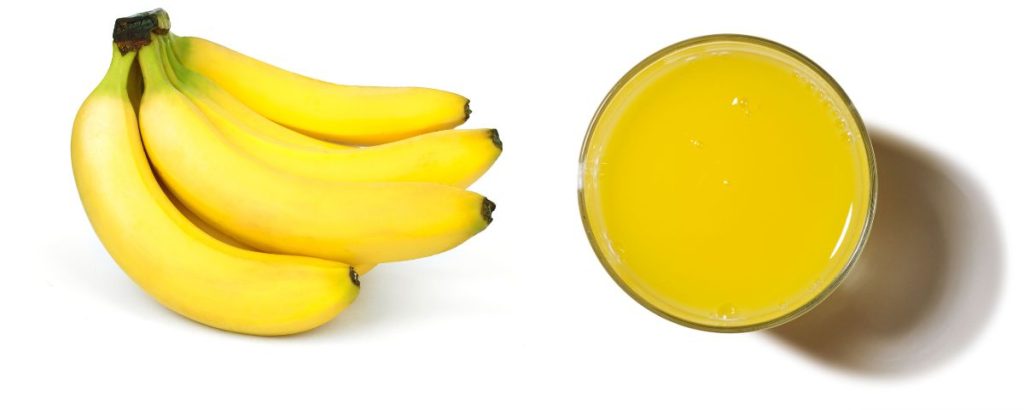
Below is a sample plan showing how to best consume your carbohydrates the day before a race. Depending on your weight, you might want to adjust the portions of bread, sweet spreads, pasta and sports drinks accordingly. Aim for 7-10g of carbohydrates per kilogram of body weight. The table below contains a maximum of 512 grams of carbohydrates in total and is therefore suitable for cyclists weighing around 70kg – scale up or down as required.
BREAKFAST AND LUNCH
(130g carbohydrates per meal)
- 4 sandwiches (64g carbohydrates)
- Sweet spreads like jam, honey or chocolate (60g honey = 36g carbohydrates)
- 300ml glass of fruit juice (30g carbohydrates)
OR
- 100g oats (62g carbohydrates)
- A handful of raisins (20g carbohydrates)
- Milk (18g carbohydrates)
- 300ml glass of fruit juice (30g carbohydrates)
OR
- 100g muesli (60g carbohydrates)
- 1 banana (30g carbohydrates)
- Yoghurt (10g carbohydrates)
- 300ml glass of fruit juice (30g carbohydrates)
OR
- 2 large pastries (e.g. currant buns) (100g carbohydrates)
- 300ml glass of fruit juice (30g carbohydrates)
OR
- 2 bagels (110g carbohydrates)
- Savoury toppings such as egg or chicken breast (0g carbohydrates)
- 300ml glass of fruit juice (30g carbohydrates)
2 X SNACKS IN BETWEEN
(30g carbohydrates per snack)
- 500ml isotonic sports drink (30-35g carbohydrates)
OR
- 1 banana (30g carbohydrates)
OR
- 250ml chocolate milk (30g carbohydrates)
OR
- 40g wine gums (30g carbohydrates)
DINNER
(112g carbohydrates)
- 150g (uncooked weight) rice or pasta (100g carbohydrates)
- Simple low-fat (tomato) sauce (12g carbohydrates)
- 100-150g chicken, turkey or tuna; or 2 eggs (0g carbohydrates)
BEFORE BED
(60g carbohydrates)
- 500ml chocolate milk (60g carbohydrates)
RELATED: Caffeine, the Expert’s Favourite Form of (Legal) Doping!
READ MORE ON: carbo-loading fuel nutrition