
Long Term Test: Elves Mori Aero X
We built up a racy, all-Chinese gravel bike and rode it on one of the toughest stage races in the country. How did it hold up?
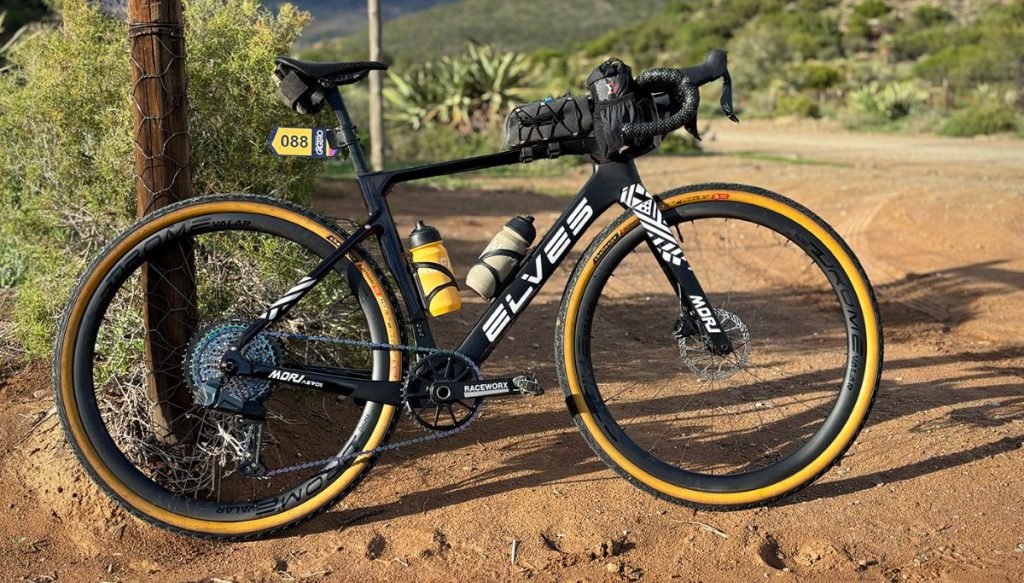
Understanding Elves as a brand is a bit like understanding the raft of excellent new Chinese vehicles on South Africa’s roads. There was a time when you wouldn’t go near a Chery Tiggo, with or without a barge pole; but take a drive in the latest one – or in a GWM, BYD, Jetour or any number of other brands – and you’ll see that they’re equal to if not better than their European and American competitors.
Elves is the same in the world of cycling. They’re a top brand in the East, founded by bike nerds with decades of design experience. Elves HQ is in Shenzhen, China, with R&D in Taiwan and more than 30 distributors around the world. Luckily for us, that includes South Africa.
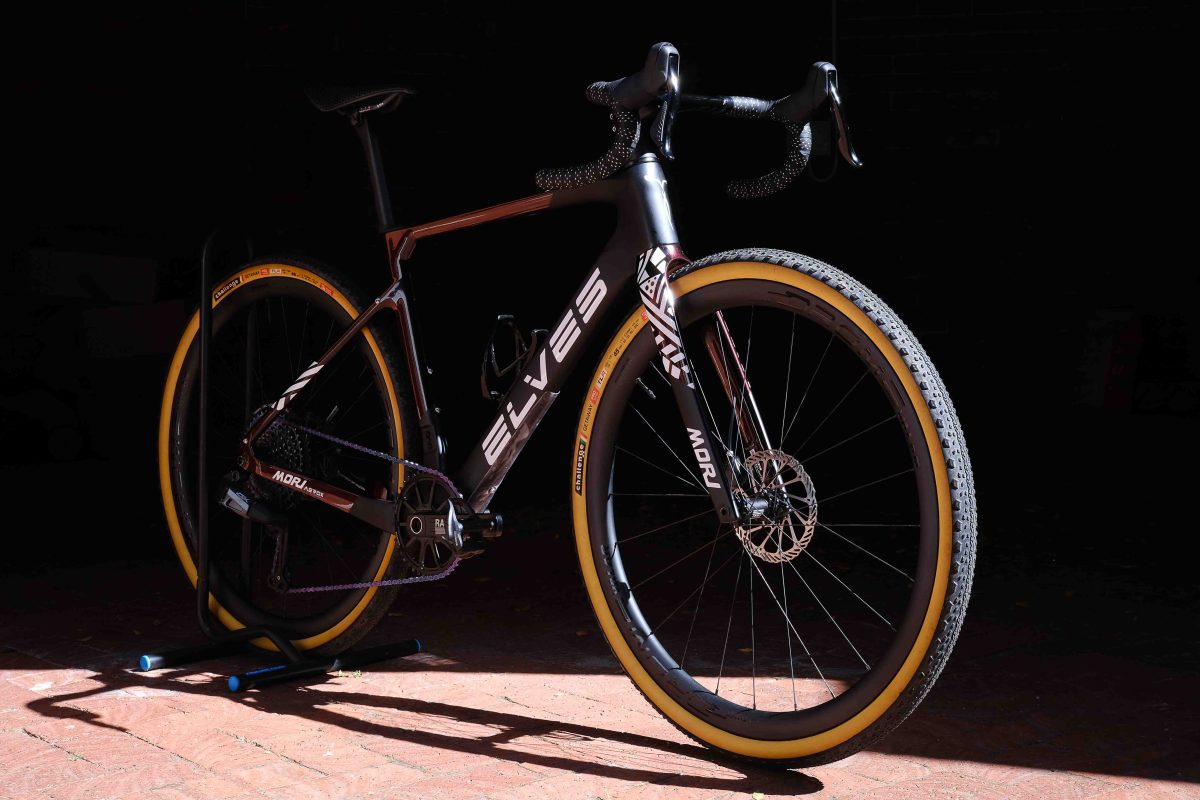
The Mori AeroX is a fast gravel bike. Very fast. It’s not an open-mould frame with a name badge on the down tube; it was purpose-designed from scratch to compete at the top level in the gravel category.
The Mori Aero X is a fast gravel bike. Very fast. It’s not an open-mould frame with a name badge on the down tube; it was purpose-designed from scratch to compete at the top level in the gravel category. Made from high-modulus Toray T800 and T1000 carbon, the frame feels lightweight and responsive under load, but it’s reinforced in critical areas (like the head tube and bottom bracket) to handle the abuses of gravel without sacrificing ride quality.
Tyre clearance is 45mm on 700c wheels, maybe 50mm at a push up front. The head tube angle is slacker than on a road bike, and the frame has a slightly extended reach, both of which help keep the bike stable when you’re pushing hard, but still nimble enough to flick through technical sections. The internal brake hose routing through the cockpit has one of the most mechanic-friendly designs we’ve seen; the threaded T47 bottom bracket is also great for servicing; and the frame is UDH compatible.
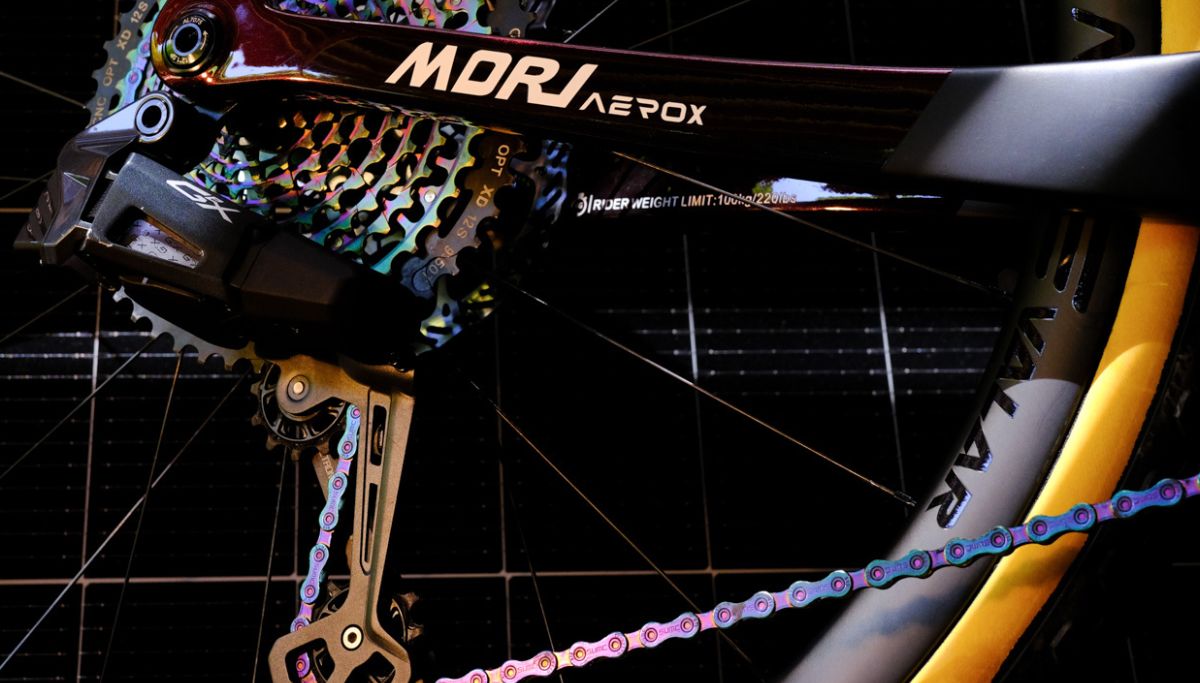
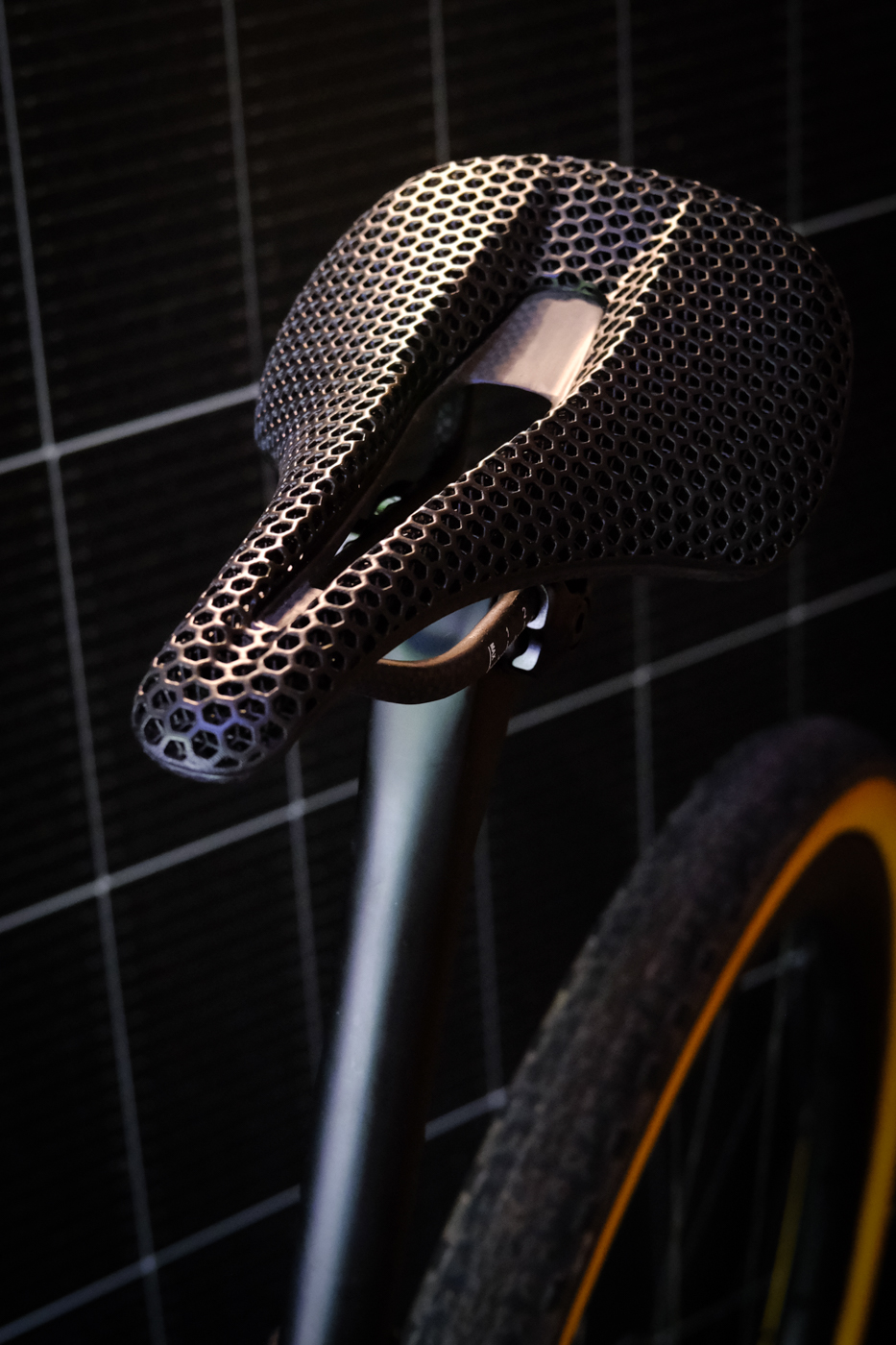
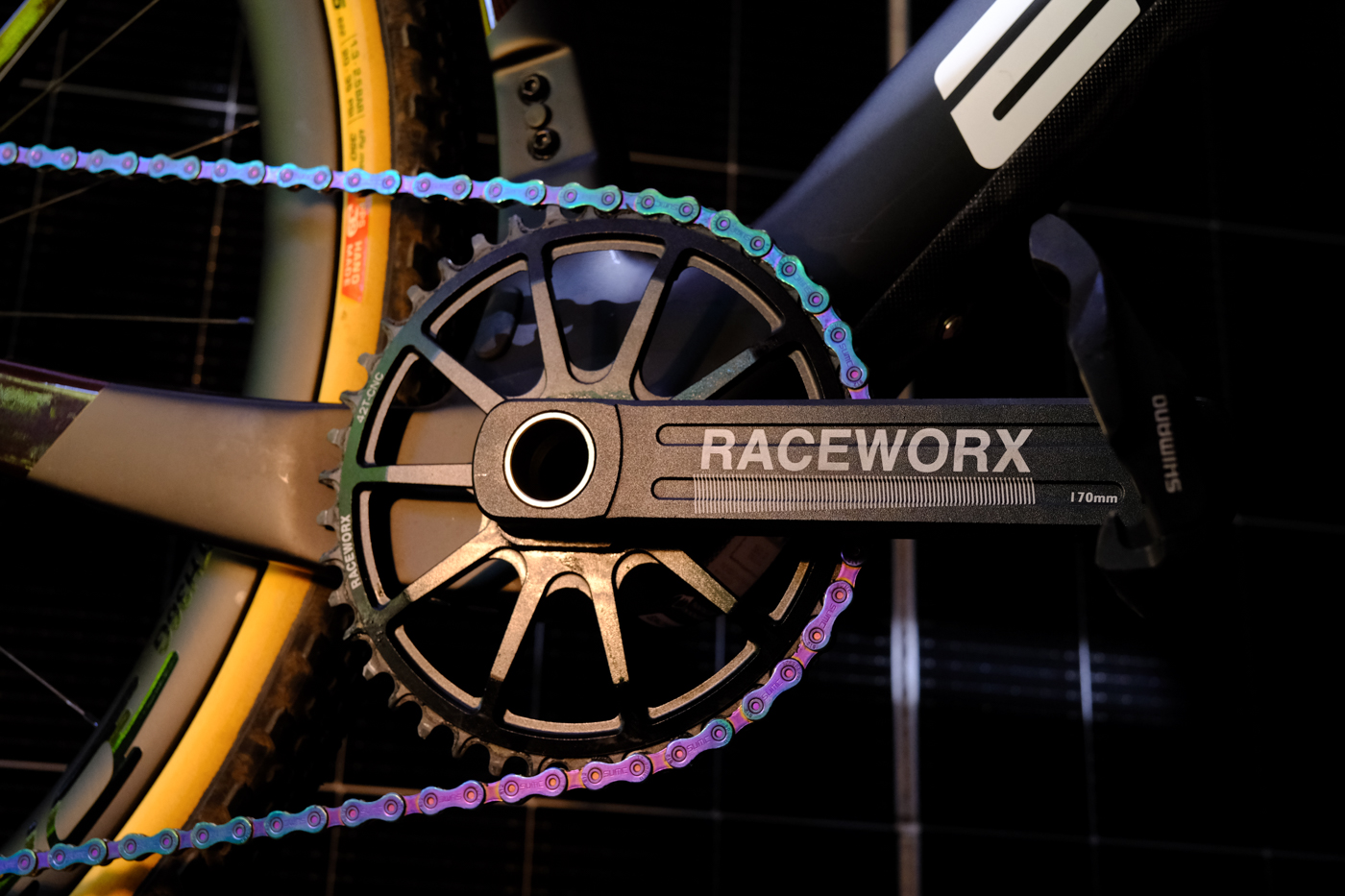
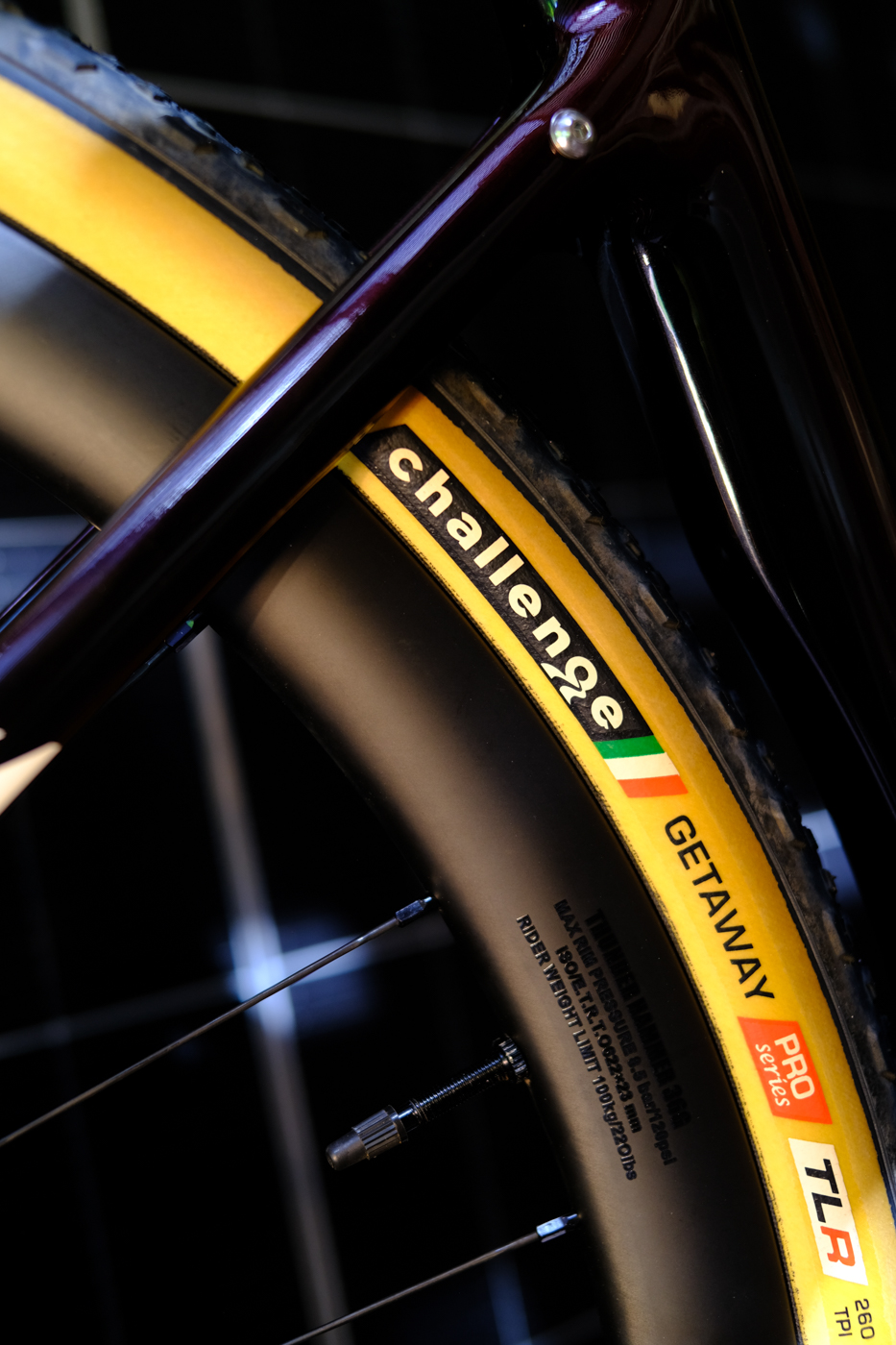
We built up our test bike with OROME Valar TH36G carbon wheels (also from Elves) with 45mm Challenge tyres, a 1×12 electronic EDS GeX drivetrain from Wheeltop; and a 9-50t cassette, crank, 42t chain ring and 3D-printed seat – all from Raceworx, the local importers of Wheeltop. The full build weighed 8.5kg with pedals and sealant in the tyres.
Check Out The Video |
Wheel-What?
Wheeltop first blipped on my radar a couple of years ago via Bicycling US. Dan Chabanov, the gear editor over there, had lots of positive things to say about the Chinese brand’s wireless road groupset, called TX, which he tested thoroughly through the muck and cold of a Pennsylvania winter.
Looking for a reseller in South Africa, I ended up in contact with Michael Murphy – a legend on the local road-racing scene, and the man in charge of Raceworx, a component manufacturer and importer with one foot in Simon’s Town and the other in China.
Murphy was actually instrumental in helping found Wheeltop. With partners in Malaysia and Japan, and a factory in China that could handle the production of such a complex product, the consortium spent three years developing their first derailleur. And instead of just copying what others were doing – almost impossible anyway, given SRAM’s extreme penchant for patents – they designed it from scratch.
“Our motto is fairly simple,” Murphy says. “Put bums on seats. The more people we can get onto bikes, the better for the entire industry. We want EDS to be affordable, versatile and practical, for all riders.”
One of the headline features of all Wheeltop EDS groupsets, including the GeX on our Mori test bike, is that you can set the derailleur to shift three gears or fourteen, making it compatible with just about any cassette and chainring combo out there. This radical move frees you from the endless upgrade cycle that most brands force you into.
Another key difference between Wheeltop and its competitors is that all EDS derailleurs use an integrated battery. In other words, you can’t remove it; you have to charge it by taking your bike closer to a power outlet, or by using a USB power bank.
At first I was sceptical, simply because I’m used to the idea of removing a battery to charge; but there are some real benefits to an integrated system. The first is that it’s properly sealed, so the derailleur is never susceptible to dust or water ingress. The second is that when you constantly have to insert a battery and take it out, you quickly wear out small, fragile parts. The contact pins in SRAM’s AXS derailleurs, for example, are notorious for failing.
The third benefit is that that you can maximise the space available in the derailleur, and install a higher-capacity battery. Wheeltop claims that you can get up to 20 000 gear changes on a single charge, and the battery is rated up to 800 recharge cycles. While I can’t verify those claims, I can say that the battery life is good. I charged it once at the start of the Garden Route Giro and ended the six-day stage race (28 hours on the bike!) with 60% still in the tank.
The shifter batteries were more finicky. Each one is powered by a standard CR2032 battery, installed by pulling back the hood and opening a lid using a coin. Fair enough, but that area seemed to be a weak point for water ingress. The one time I washed the bike properly – in other words, sprayed it all over with a hose then got to work with sponges and brushes – water got into those battery compartments and must have shorted the batteries. I only noticed this the next time I wanted to ride the bike. I clicked both shifter buttons and… nothing. Luckily I could fix the problem by letting the shifters dry out and installing fresh batteries. And I knew about the issue before the Garden Route Giro, so I made sure to ask the guys at the bike wash after each stage not to spray the cockpit area.
You might be able to solve the problem permanently by religiously checking the o-rings and by using some silicone grease on them, but it’s something Wheeltop will have to address when they decide to update the shifter design.
How Did The Bike Perform?
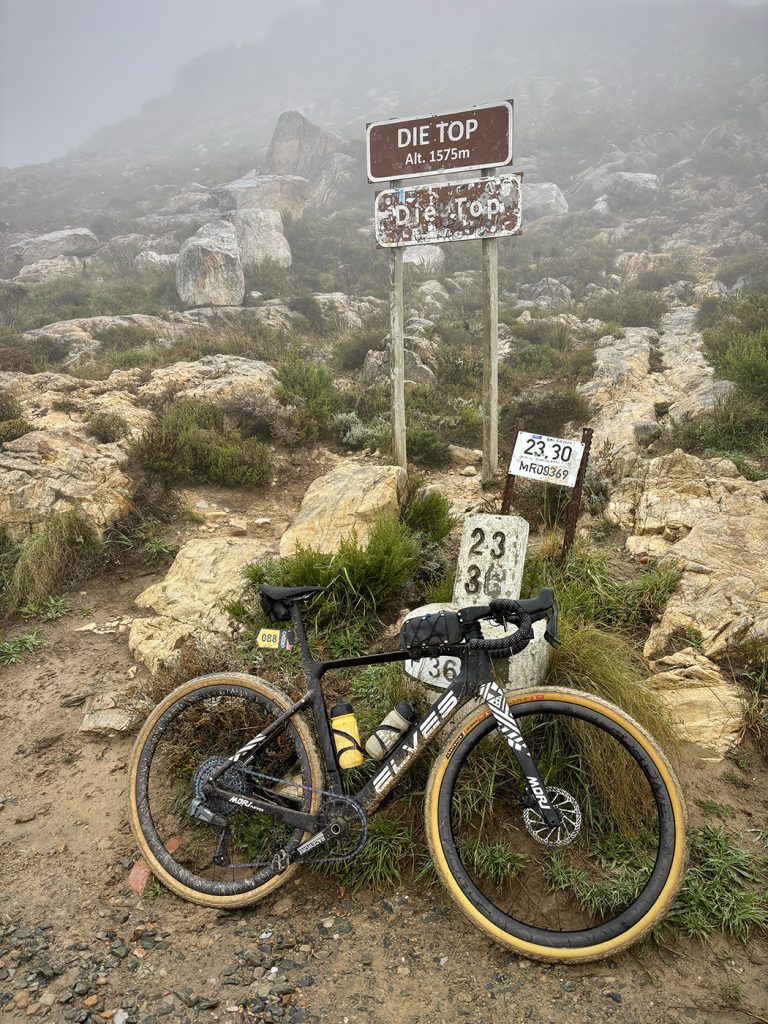
It’s quickly evident that the Mori is just as fast on gravel as it is on tar. It feels wrong to hurl such a finely tuned carbon creation down a rutted mountain pass like Rooiberg in the Little Karoo, but the Mori handled it. And when you’re on a smooth gravel road, with the sun rising behind your left shoulder and a breeze on the back of your neck, well… there aren’t many better feelings in cycling.
The 45mm tyres are a good all-round width. I won’t lie – I sometimes wished for wider rubber on the longer days at the GRG. I’m no racer and I spent a very long time on the bike each day. Feeling every corrugation was energy-sapping, but I knew that once the gravel levelled out, or when we reached a tar section, every pedal stroke would take me forward with no effort wasted.
With its light weight and slim tyres, it’s no surprise that the Mori climbs like a king. The gearing choice of 42t chain ring and 9-50t cassette gave me plenty of range to get over the huge passes on the route: Rooiberg, Swartberg (twice), Prince Alfred’s… It climbs like a road bike, with none of the heft and sluggishness of a mountain bike.
It also descends like a road bike, which is a dream on a smooth pass like Swartberg on the Oudtshoorn side, but less dreamy on a rocky downhill like Rooiberg. Again, it’s a question of compromise. Of course, you could choose to ride a bike with a dropper post and 2″ mountain bike tyres and you’d absolutely slay the descents, but then you’d be slow on the flats and the climbs. On the Mori, I was happy to take it easy on the downhills knowing that I was on the most efficient machine possible for the race route as a whole.
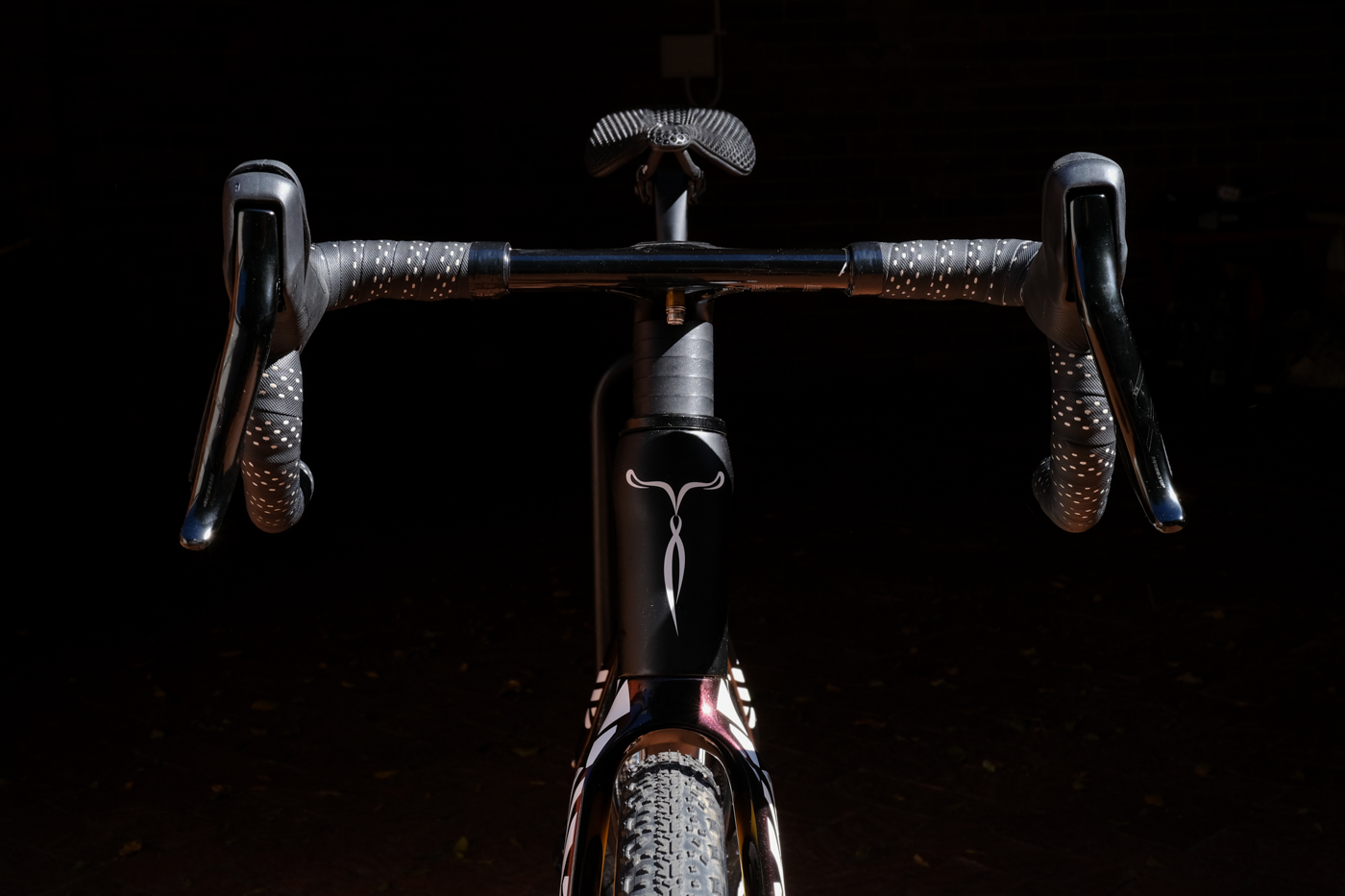
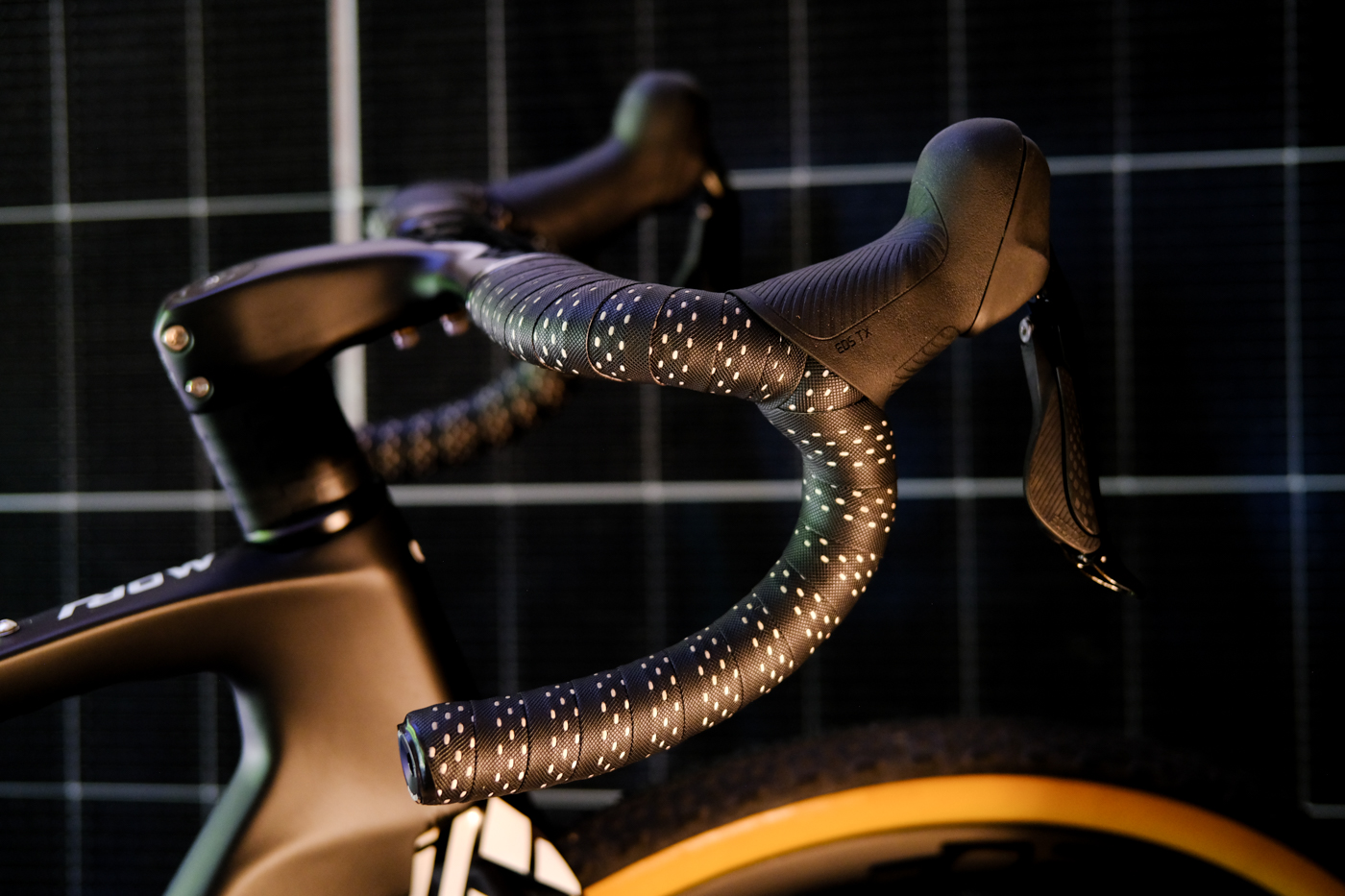
The Wheeltop drivetrain also performed very well. I didn’t miss a shift or drop a chain once. The shifters are very comfortable to use. The hoods are smaller than the latest SRAM Force or Rival and they’re also less angular, with a certain Campagnolo vibe about them. The levers are comfortable, but it would be nice to be able to bring them in a bit. I adjusted the reach to bring them in as far as possible, but I would have enjoyed another few millimetres.
There was a bit of creaking from the Raceworx cassette, especially at the tail end of a long, dusty day, which I attributed to the spacer that allows the XD cassette to be installed on an XDR freehub (a mountain-bike cassette on a road wheel, in other words). It’s something to note if you’re going to build up your own Mori, or any gravel bike for that matter that mixes mountain bike and roadie parts. Check the hub compatibility with the cassette you want to use, and try to avoid spacers if possible.
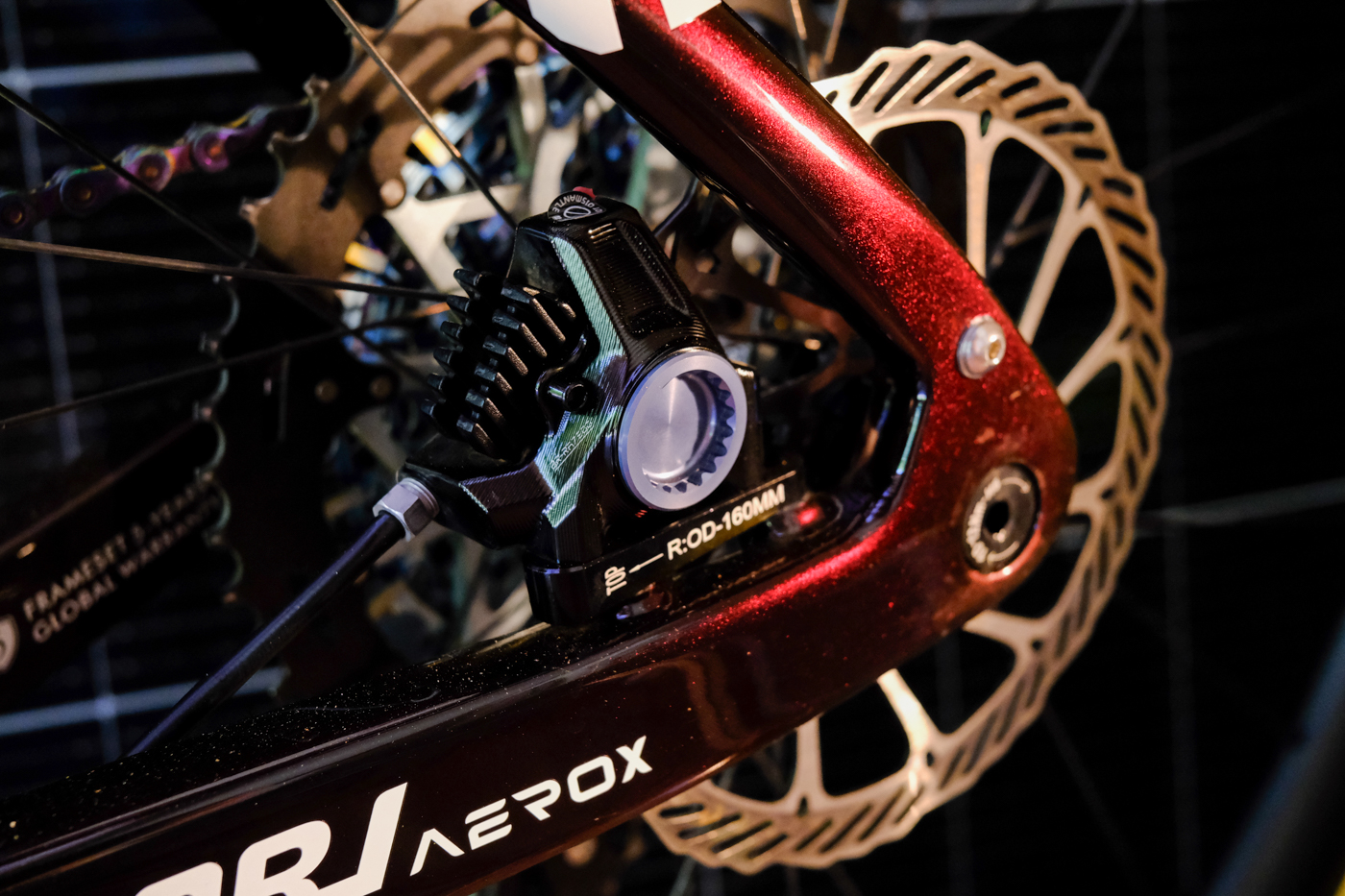
Often overlooked when reviewing a new groupset is how well or badly the brakes work. These work very well. They’re compatible with Shimano-style pads, and use mineral oil, also like Shimano. The flat-mount callipers are classy, with a machined alloy body, and they’re compatible with 140mm or 160mm rotors. Braking feel was great on the hoods and in the drops, and I didn’t experience any of the screeching or shuddering associated with brakes from a certain US manufacturer… In fact, the similarities with Shimano brakes go beyond sharing parts; the GeX brakes were easily as powerful and pleasant to use as any Ultegra or GRX brakes I’ve used in the past.
Final words
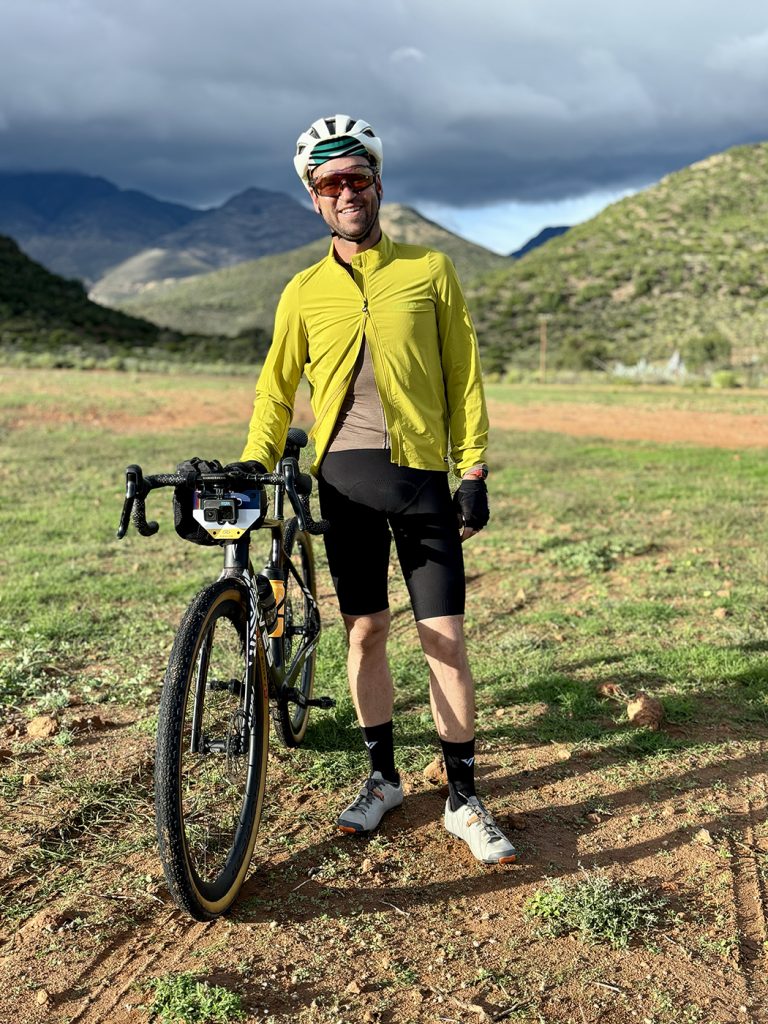
I grew to love the Mori over the course of the Garden Route Giro. There’s nothing better than having a dependable bike beneath you when you’re faced with one long, scary day after the next. Simply knowing that the bike was comfortable, fast and capable – and that the tyres were tough and the gears would shift – meant I could focus on the more important aspects of the race like remembering to eat, pacing myself accordingly, and keeping my head in the right place. The 3D-printed Raceworx seat was surprisingly comfortable and the riding position, although racy, was just right for this kind of event.
The Mori is probably not the best bike for anything rougher than the GRG, and it’s also not the bike you’d take touring, even if it does have mounting points for bags, multiple cages and even a rear rack. But it’s far more capable than it initially appears to be.
It’s the kind of bike that makes you reconsider what’s in your garage. If you have a chonky gravel bike and an older road bike, for example, the Mori could easily replace both. You could ride two sets of wheels for tar and dirt, or you could just ride gravel wheels and tyres all the time, and revel in the freedom of riding every bridle path and green belt that catches your fancy.
And the best part is that you can do it your way. Order the frame, then pick your wheels and components depending on your budget and how you plan to use the bike; or move everything across from your current bike, and upgrade bits and pieces as you go along. It’s a vibe.
Frameset: R30 000 elvesbikesouthafrica.co.za
Wheeltop EDS GeX 1×12 upgrade kit (shifters, brakes, derailleur): R18 943 bicyclepart.co.za
Raceworks components: bicyclepart.co.za
READ MORE ON: 2026 Bike Buyer's Guide Bike Test bikes gravel bikes tested