
The Checkpoint ALR That’s Heavy On Features, Light On Your Wallet
The Trek Checkpoint ALR is a versatile, upgrade-friendly gravel bike that offers premium features at an attainable price.

The Trek Checkpoint ALR gets a lot right – far more than it gets wrong.
Yes, you can nitpick the stock wheels and tyres, or wish for the SL’s down-tube storage and IsoSpeed decoupler, but those trade-offs help keep the price in check while preserving what matters: confident handling, generous tyre clearance, real-world durability, and an upgrade-friendly platform.
The result is a thoroughly well-thought-out aluminium gravel bike that feels ready for anything from weekday groad rides to loaded weekend overnighters, or even that gravel race that’s on your bucket list.
Why it’s cool
Well, it brings plenty of gravel-bike capability, and makes that capability available to more riders. Tyre clearance has been increased to 50mm; there are abundant mounts; it’s compatible with a dropper post and suspension… You can commute, ride for fun or gear up for a bikepacking trip, all on one platform.
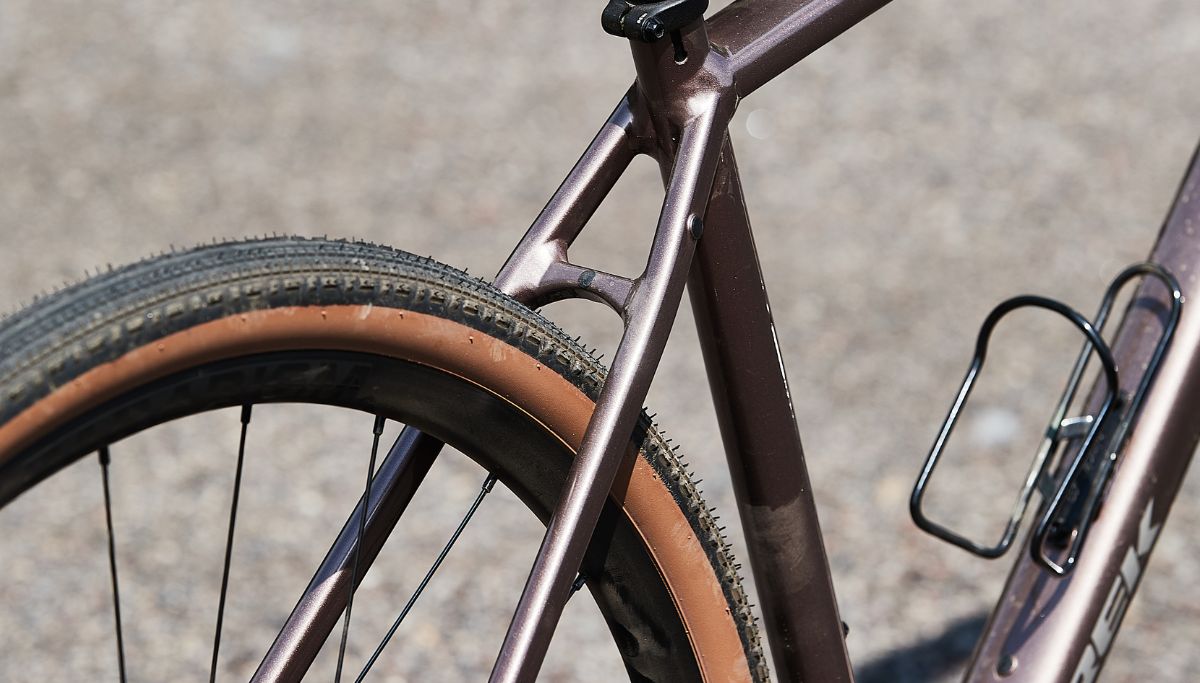
The geometry is more accessible, with a higher stack and reduced reach, which will help more riders get comfortable without spacer towers or flipped stems. The carbon fork from the SL trickles down – to save weight, and add some welcome vibration damping – and it also features the useful three-pack mounts on each fork leg for bottles or cargo.
There are standard mounts all over the frame, clean hybrid cable routing for easier service, and space for large 750ml bottles (even with a half-frame bag) on every size.
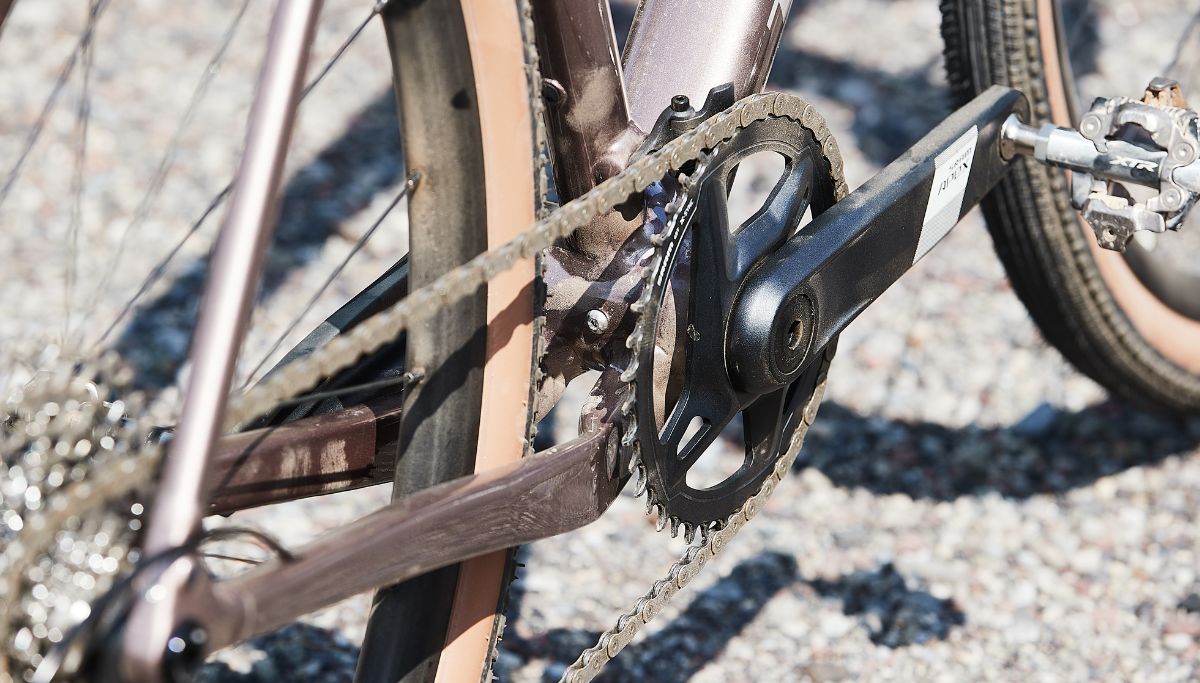
Modern standards keep it future-friendly, too. UDH facilitates easy hanger replacement, or an upgrade to SRAM Transmission. The T47 BB is quiet, durable, and compatible with all crank spindle standards.
How does it ride?
On dirt roads and smooth trails, the Checkpoint ALR is composed and versatile. The geometry tweaks (more stack, less reach, shorter front-centre, lower trail) place the rider in a confident, upright position without dulling the handling. It’s stable when fast, manageable when slow, and ready for everything from singletrack to Karoo gravel.
The front end feels notably more cooperative at low speeds, especially on steep or technical climbs. The reduced trail and shorter front-centre cut down on front-wheel ‘flop’, making tight switchbacks and chunky climbs easier to navigate.
My local gravel loop consists of a few mellow gravel roads, a steep cobblestone climb, and a heap of singletrack. A bit of everything you can throw at a gravel bike. The Checkpoint ALR exceeded my expectations for it all.
On steep and loose jeep-track climbs, the front end stayed calm and predictable, with none of the wandering that can plague long, slack gravel bikes. On fast gravel roads, the bike also felt planted and easy to course-correct – even with a light crosswind and some corrugations. I never felt like I was fighting the bike to get it to do what I wanted. And it’s that blend – manageable at a crawl, composed at speed – that defines the ALR’s personality.
Overall comfort is about what you’d expect from an aluminium gravel bike with 42(ish)mm tyres. That’s to say, totally fine. It’s certainly not the most comfortable bike I’ve ever ridden, but I wouldn’t say it’s particularly harsh either.
For riders seeking enhanced comfort, upgrading to a wider set of tyres would provide significantly more real-world compliance and speed, compared to upgrading to a carbon frame.
Thoughts on long-term durability and serviceability?
The 300 Series Alpha Aluminium frame, threaded T47 BB, and UDH give me confidence that the Checkpoint ALR is a frame riders will be able to use, service and upgrade for many years. The stock build kit is solid and easily upgradable, too.
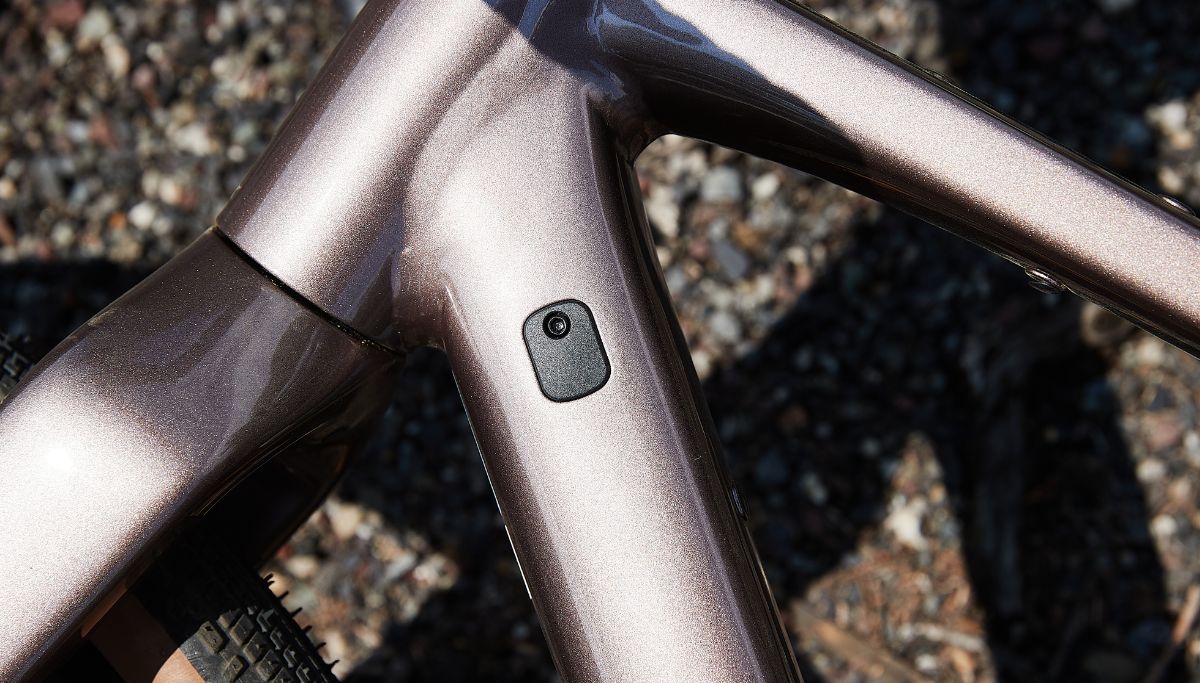
The only thing that gives me pause regarding long-term maintenance is the combination of mechanical shifting and through-headset cable routing.
Bikes with similar routing often face more rapid deterioration in shift performance, compared to bikes where things are routed externally, due to the tight bends the derailleur housing must make to fit into the space. It also makes replacing cables and housing a major headache, and it’s costly if you’re not doing it yourself.
Best thing about the Checkpoint ALR?
The value sweet spot: modern geometry and a feature set borrowed from the SL, delivered in a durable alloy package with smart mounts and standards – all at a starting price that leaves room in the budget for meaningful upgrades.
Because there are no proprietary parts, upgrading and swapping things like the handlebar, stem and seat post is super-easy.
The worst?
My biggest gripe with the Checkpoint ALR concerns the tyres that come as stock on the bike. The Bontrager Girona Pros aren’t bad tyres; but at 42mm wide (closer to 41mm, measured using my callipers), they’re too narrow for a bike with 50mm of clearance. I would have preferred something in the 45-48mm range.
Who’s it for?
Riders who want a single, durable gravel platform for mixed use: tarmac, gravel roads, light singletrack detours and weekend bikepacking. It will also suit endurance road riders seeking a higher bar position, and it’s a great choice for anyone looking to get into gravel.
It rides like the pricier Checkpoint SL in the ways that matter most. If you’re torn between this and the Checkpoint SL 5 with electronic shifting, consider the ALR, and rather put your savings towards a wheelset and tyre upgrade.
Which model for me?
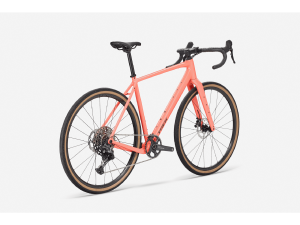
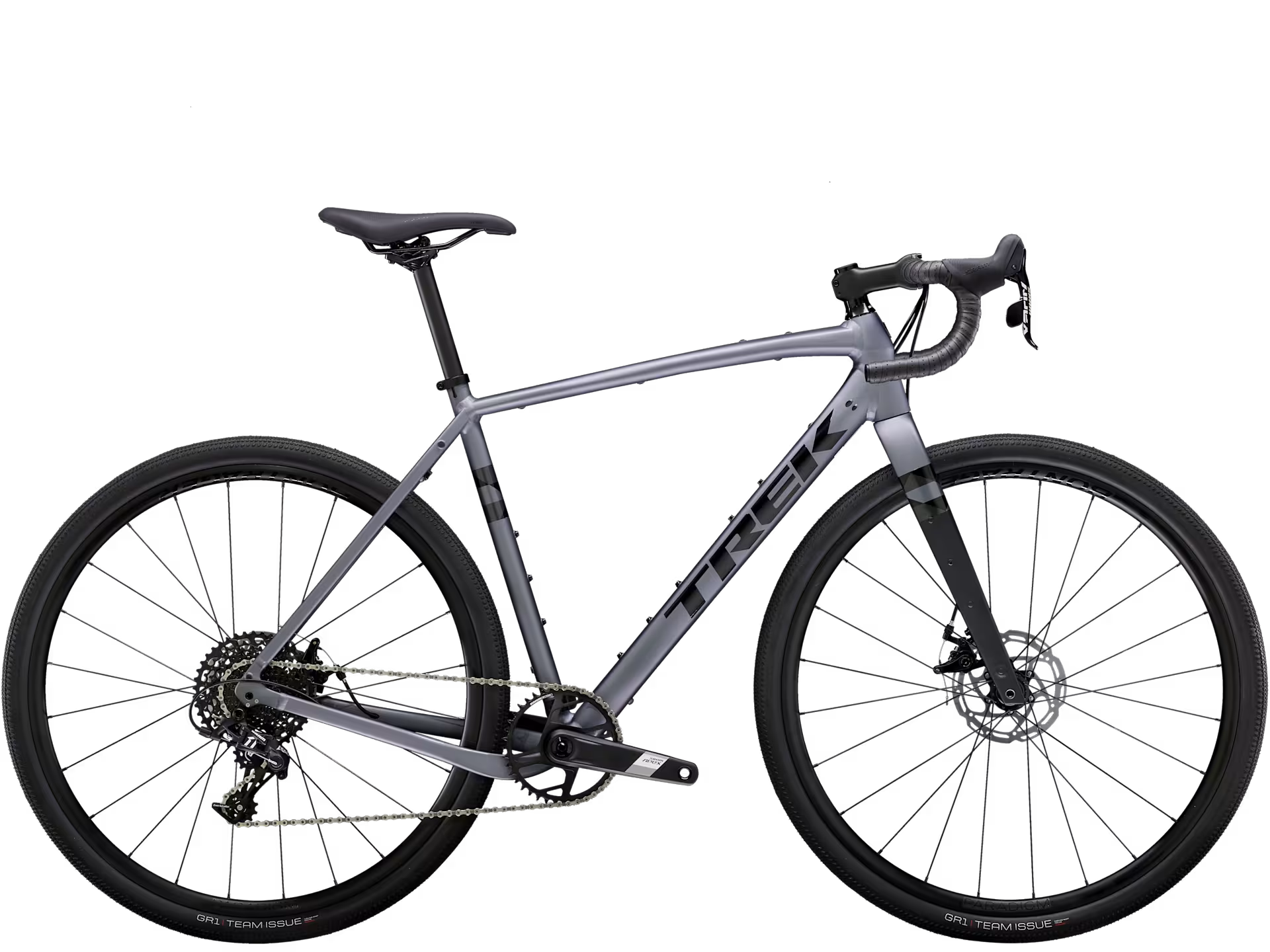
We tested the Checkpoint ALR 5 Gen 3, but the bike is also available locally in two other models: the ALR 4 and ALR 4 Gen 2. They all share the same frame, fork and wheels, but with different drivetrain and paint options. See the full range at trekbikes.com
 |
Checkpoint ALR 5 Gen 3
|
 |
Checkpoint ALR 4 Gen 3
|
 |
Checkpoint ALR 4 Gen 2
|