Specialized Claims New Epic 9 Is Lightest Full-Suspension Bike Ever Made
Eye-watering pricing aside, the new S-Works Epic 9 makes a strong case for being the best cross-country and marathon racing bike you can buy – with one very annoying ‘upgrade’…
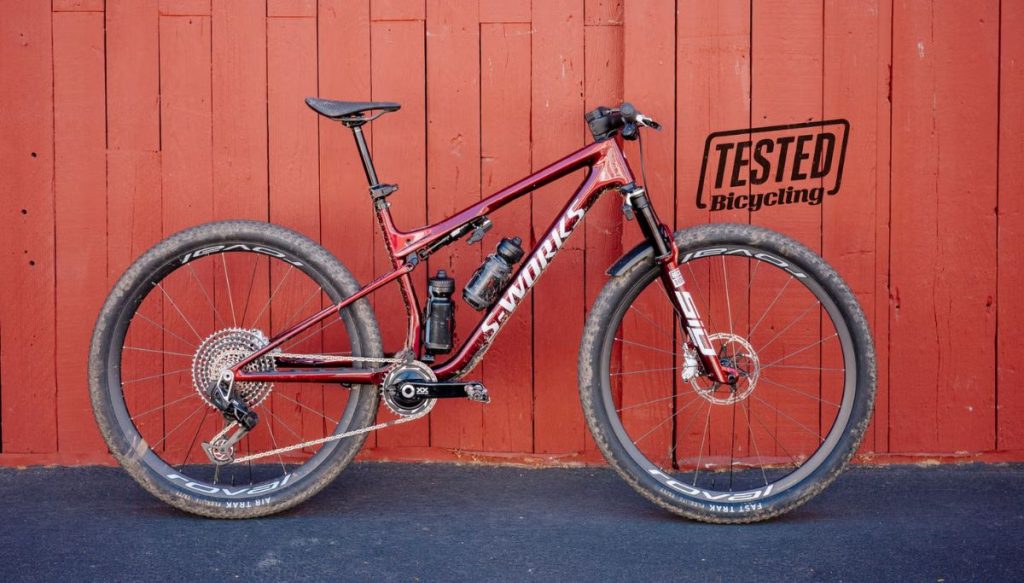
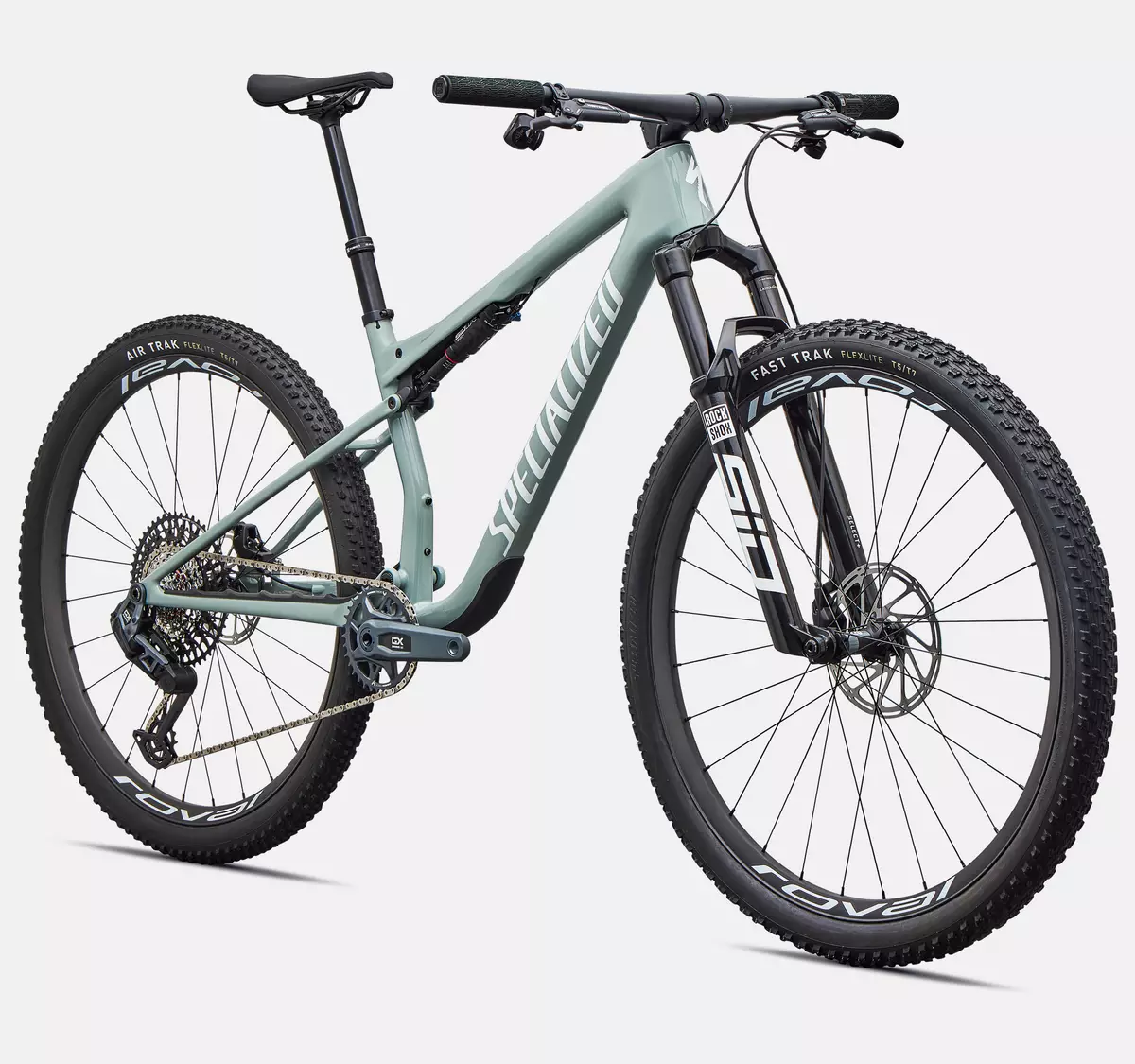
As the name suggests, the Epic 9 is the ninth generation of Specialized’s flagship cross-country race bike, and it arrives as a clear exercise in refinement rather than reinvention.
That’s probably exactly what most riders would expect from a platform with such a long and successful history. The Epic has been one of the defining names in modern XC and stage racing for years; at this point, Specialized doesn’t need to make huge changes to a bike that is largely seen as a benchmark in the category.
“Riding a mountain bike this light is simply special. It changes the whole character of the ride.”
On paper, the changes are meaningful but measured. The Epic 9 looks like a more polished, more focused version of the same basic idea: a lightweight full-suspension race bike, built for the increasingly technical demands of modern trails. And this round, with more emphasis on the ‘lightweight’ bit.
For many riders, the first thing to grab your attention will be the staggering R295 000 price tag for the S-Works model. The new, base-level Epic 9 Expert build costs R145 000, and there’s a Pro model in the middle at R199 000. There’s also a limited-edition S-Works Ultralight build available – more about that below.
For me, the bigger headline is that Specialized has finally managed to produce a full-suspension Epic frame that undercuts the weight of the much-loved Epic 7 EVO. That’s a genuinely notable achievement, because the Epic 7 EVO has long held a special place in my weight-weenie heart as the bike that kept me from even considering upgrading to an Epic 8.
The Epic 9 weighs in at 1 589 grams for a medium-sized frame, with a shock, seat collar, through-axle and all hardware (including water bottle bolts). A non-S-Works frame adds another 60 to 80 grams to that total, depending on size. A complete S-Works Ultralight LTD – which features 110mm of suspension travel instead of 120mm, ditches Flight Attendant, and is actually R15k cheaper than the top-spec S-Works bike – weighs a pretty spectacular 8.6kg in a size medium.
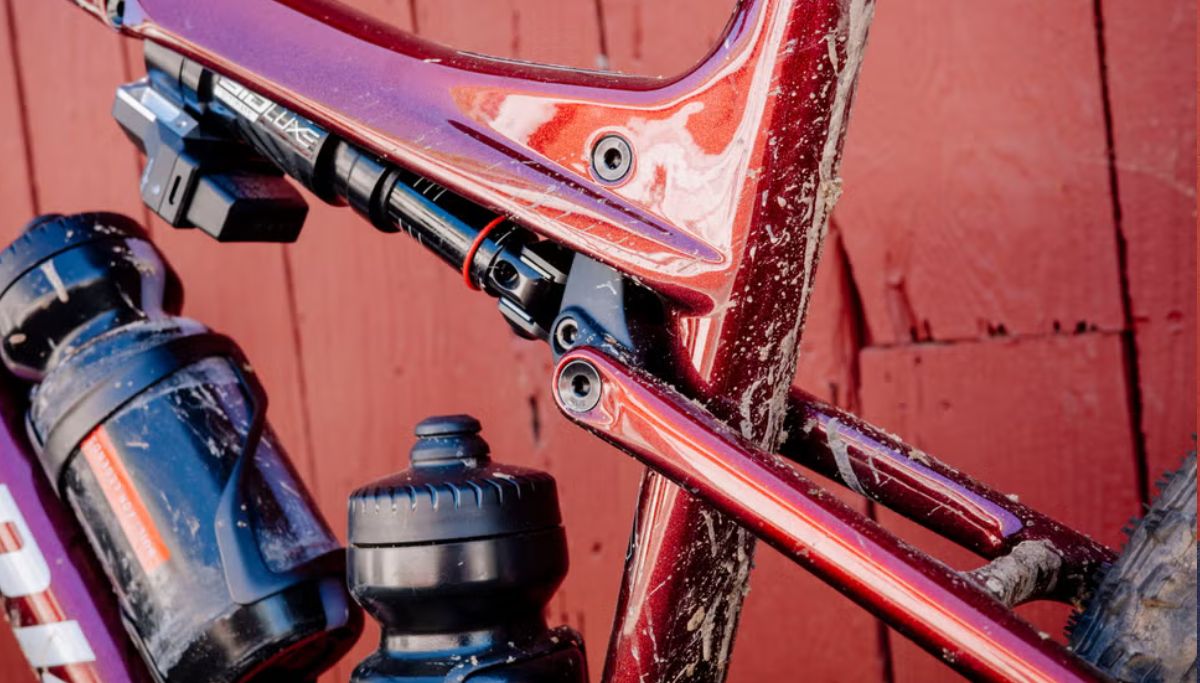
Elsewhere, the Epic 9 shows how carefully Specialized has chosen what to change and what to leave alone. There’s no internal storage this time – a decision that will definitely divide opinion, but which also makes sense in the context of a bike chasing absolute efficiency and minimum frame weight. The flip chip remains, which feels appropriate on a race bike that still needs some adaptability for rider preference and course demands. The rear shock remains horizontal and the overall suspension layout remains familiar – again, reinforcing the sense that Specialized is evolving the package rather than starting from scratch.
Just as telling is the way they’ve simplified the range around this one bike. There’s no separate Epic World Cup and no Epic EVO, because the new Epic is intended to cover more ground on its own. In standard form, it remains a 120mm race bike; but it can also be fitted with a 130mm fork. So riders who miss the EVO version could, in theory, still get that experience through a DIY approach. But that suggests Specialized sees the Epic 9 as a more unified answer to what modern XC riders want: something light enough to race seriously, capable enough for rougher tracks, and adaptable enough to blur the old line between pure race bike and down-country machine.
Headset Cable Routing: Why?
Yes, this ‘feature’ is bad enough to get its own dedicated section in this review.
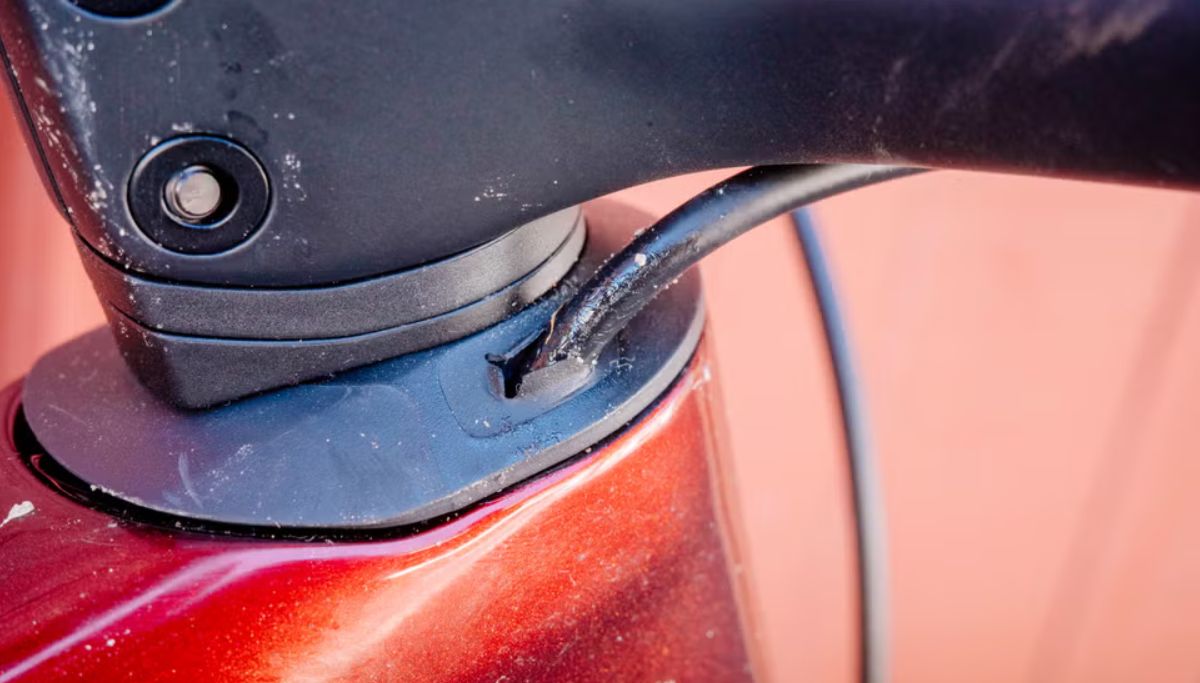
Through-the-headset cable routing is exactly the kind of feature that mountain bikes do not need. On drop-bar bikes, for better or worse, it’s become normalised; but on an XC bike, it still feels like a triumph of aesthetics over common sense. Any suggestion that it offers a meaningful aerodynamic benefit is difficult to take seriously, when most race bikes spend their lives with a number board strapped to the bars anyway.
In return for – at best – a minor aesthetic gain, you get a system that puts holes in a place you don’t want compromised sealing, increasing the likelihood that water and grit will find their way into the headset. The result is not just more maintenance, but more awkward and more expensive maintenance, because even routine jobs become more complicated once everything is fed through the top headset bearing.
On a mountain bike meant to be raced hard, washed often and serviced regularly, it feels like a deeply misguided piece of design theatre.
Geometry and Sizing
The numbers show a bike that has grown slightly in key areas. On a size L Epic 9, stack increases from 610mm to 618mm, and reach from 475mm to 480mm in the low setting (485mm in the high setting); head-tube length increases from 110mm to 120mm. Chainstay length also grows, from 435mm to 438mm, and the wheelbase extends from 1 210mm to 1 223mm. Head angle is effectively unchanged, and bottom bracket height is only marginally higher.
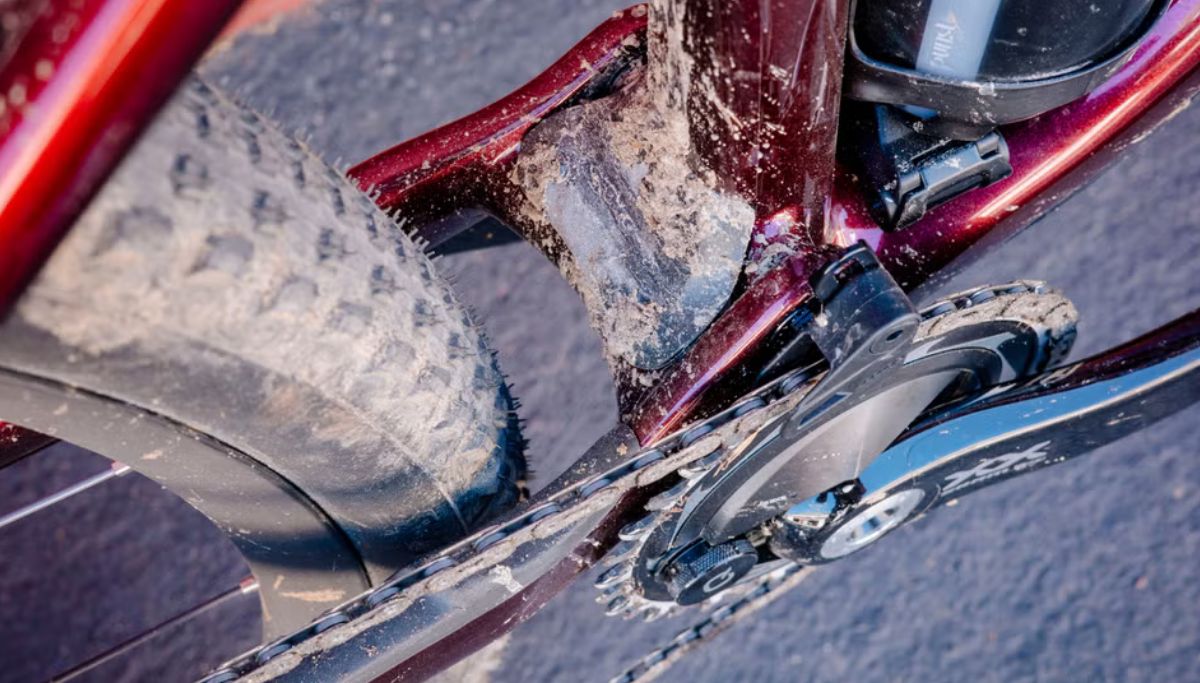
Put together, those changes suggest Specialized has nudged the Epic 9 towards a little more stability and composure, without moving away from the fast, aggressive XC fit that defined the Epic 8. It still looks like a modern race bike, but one that may offer a touch more confidence as courses continue to get rougher and more technical.
Things get a bit more interesting at the small end of the size range. The Epic 8 was offered in XS and S, while the Epic 9 starts at S. But looking at the numbers, the new size S doesn’t really split the difference between the old XS and S; in fact, it aligns much more closely with the old Epic 8 S. Reach is 420mm in low – the same as the Epic 8 S, and quite a lot longer than the Epic 8 XS (390mm). The 1 148mm wheelbase is also almost identical to that of the old S, and again, far longer than the Epic 8 XS (1 117mm).
All of this suggests that Specialized has simplified the range rather than genuinely combining two sizes. And for the many riders who fit the old S, this will make little to no difference. But for shorter riders who needed the shorter reach of the XS, the loss of that option could be significant.
A more positive update is Specialized’s move to size-specific chainstay lengths on the Epic 9. Where the Epic 8 used a fixed 435mm rear centre across the size range, the new bike varies chainstay length by size, for better rider weight distribution and handling consistency from one frame size to the next. This should help smaller riders avoid an overly stretched, front-heavy feel, while preventing larger sizes from feeling too short or too rear-biased. In theory, it means each size should deliver a more consistent mix of climbing traction, front-wheel control and cornering balance.
These are the details that might not stand out in a geometry chart, but they point to a more size-specific approach to fit and ride quality – definitely a meaningful improvement over the previous-generation bike.
Ride Impressions
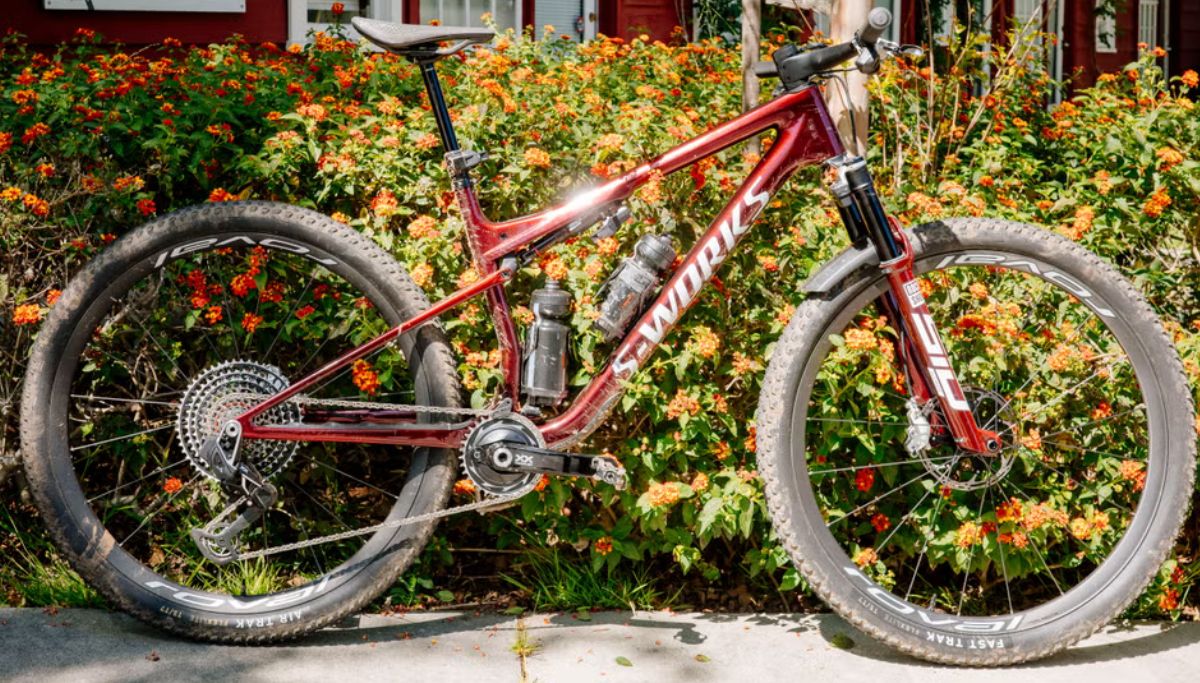
On the trail, the Epic 9 feels exactly like what a modern, high-end XC bike should feel like. It’s sharp, and impressively well-balanced. The geometry is clearly contemporary, but it never feels exaggerated or awkward. In tighter sections of trail, the bike is effortlessly nimble, easy to place and quick to respond. At the same time, when the trail points down something steep or rough, the bike settles into a calm, composed feel that gives you more confidence than you might expect from something this light. That balance is one of the most impressive things about it.
The S-Works build kit leaves very little to complain about. As you’d expect at this level, everything is carefully chosen, and ready to perform straight out of the box. Truly picky riders will no doubt make their usual personal changes, with tyres and grips the most obvious candidates, but there’s very little here that feels like an obvious weak point or compromise.
And then there’s the weight. Riding a mountain bike this light is simply special. It changes the whole character of the ride – especially on climbs, where the Epic 9 feels almost absurdly willing to gain elevation. For the lycra-clad XC racer, it’s hard not to imagine this bike being an absolute joy every time the trail tilts upwards.
Riders coming from heavier, beefier trail bikes may be tempted to dismiss some of that excitement as hype, but that misses the point. Those riders are usually looking for something fundamentally different, even if the travel numbers appear similar on paper. The Epic 9 is unapologetically aimed at people who value low weight, speed, efficiency and precision above all else, while still demanding enough geometry and suspension to handle modern, technical XC and marathon racing.
In that sense, Specialized has executed the brief extremely well. This is not a radical reinvention of the Epic, but a highly polished refinement of one of the most popular bikes in the country, and arguably a more convincing one-bike answer than the fragmented Epic, Epic EVO and Epic World Cup line-up that came before.
It’s expensive, and some of its design choices deserve criticism; but the core of the bike is outstanding.
The Epic 9 Range
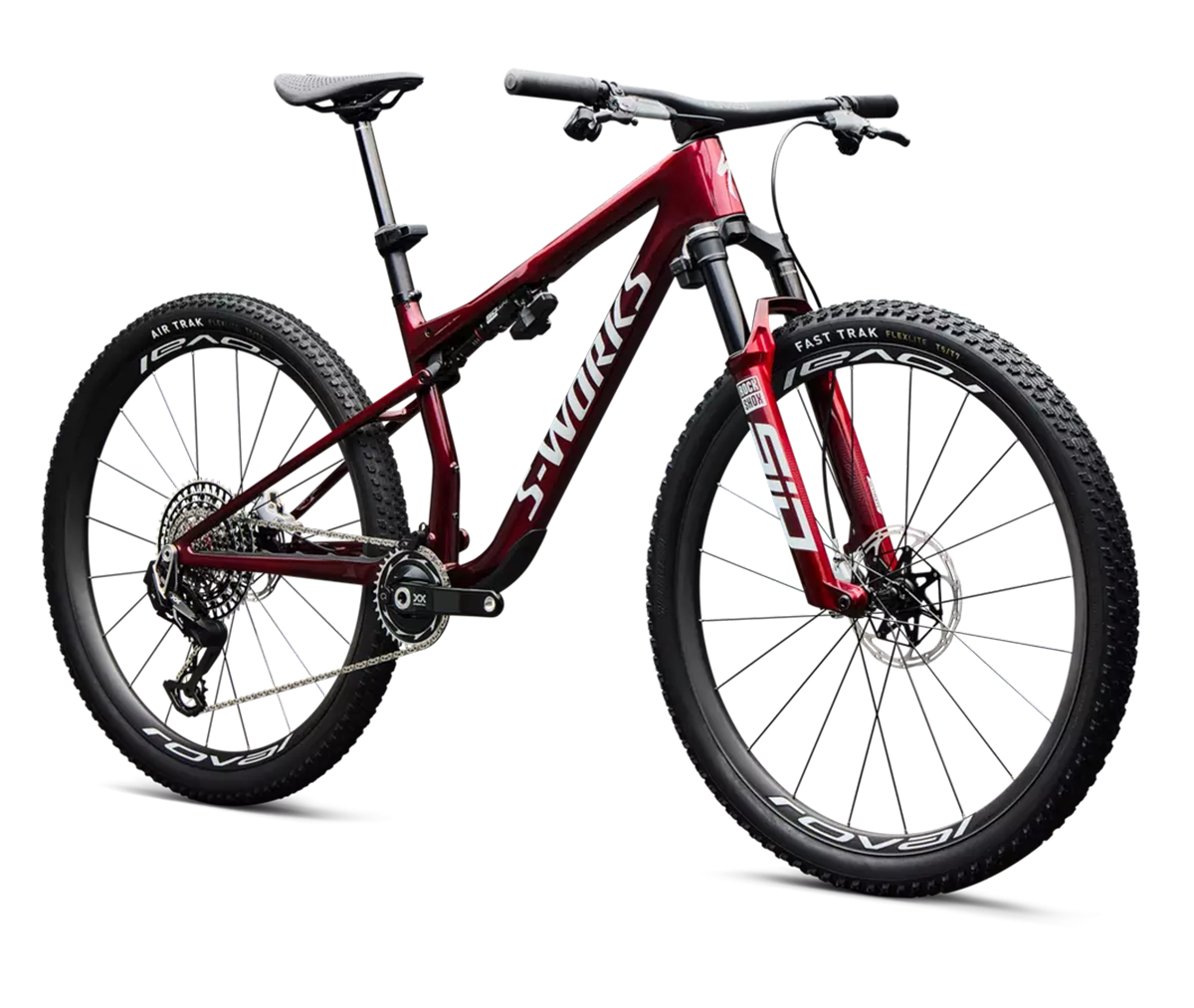
S-Works Epic 9
|
|
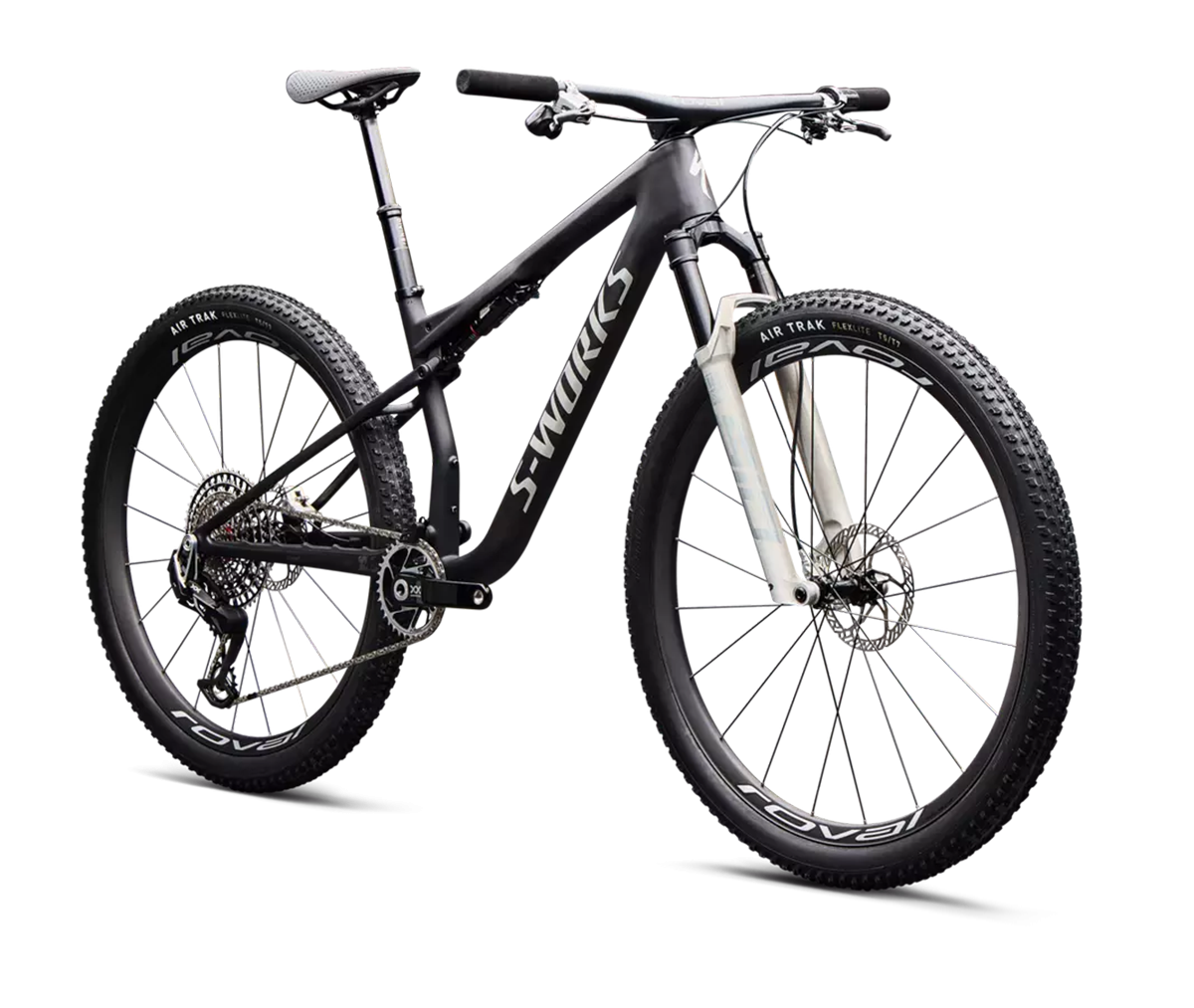
S-Works Epic 9 Ultralight LTD
|
|
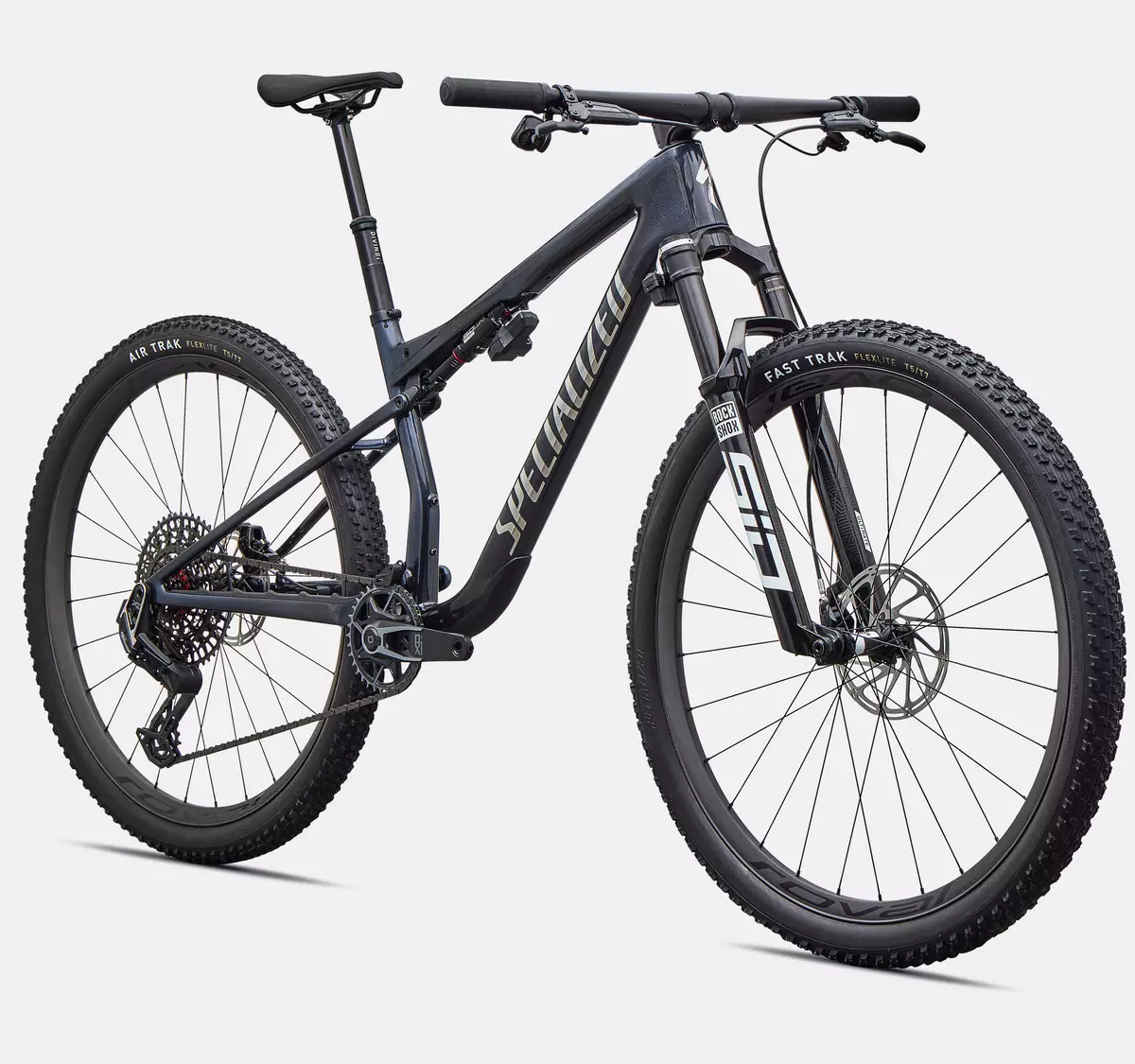
Epic 9 Pro
|
|
Epic 9 Expert
|
|
READ MORE ON: Bike Test Specliazed The Test Zone