Considering Weight Loss Drugs? Here’s What Cyclists Need to Know
Appetite suppression can mean better blood sugar control and meaningful weight loss — but also underfueling, muscle loss, and lack of power. Here’s what to watch for.
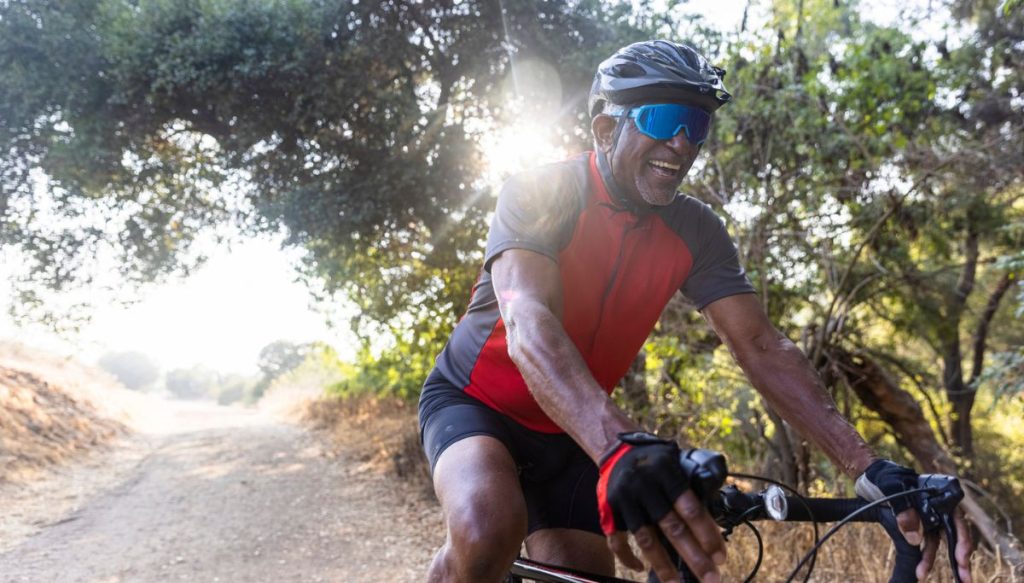
At 60 years old, Don*, a longtime cyclist who lives in Cape Town, feels fitter than ever — he’s riding stronger, he’s finally dropped weight that’s been haunting him for decades, and his doctors say he’s in the best health of his life.
In his 50s, Jason*, who resides in Pretoria, was coming to terms with the fact that his love of ultra-endurance cycling wasn’t working anymore, thanks to the demands of managing his needs as a diabetic. It was impossible to fuel while keeping his blood sugar stable. But then, his doctor made a recommendation.
*Names and cities have been changed for anonymity.
Don and Jason are both in the growing population of riders who are benefiting from GLP-1 drugs
Don and Jason are both in the growing population of riders who are benefiting from GLP-1 drugs like Ozempic — they’re quick to note that these powerful peptides aren’t for everyone, but for those suffering from obesity-related health conditions, they can be a game changer, or even a lifesaver.
After suffering a mini-stroke that was obesity-related, Don was prescribed GLP-1s, which helped him drop from 136kg to 84kg. He says it was the first time in his life he’s been able to lose weight and keep it off for any period of time. “I don’t think anyone would consider me unusually sized,” he says, “and that’s a new experience for me.” Now at a weight he feels good maintaining, Don is slowly tapering his dose with the goal of staying right where he is.
His power numbers on rides suffered at first. As he figured out ways to fuel his training appropriately, he saw improvements in his riding. After being on the GLP-1 for nearly a year, Don recognises he’s still not riding as well as he could if he were a lower weight without the drugs, but he’s learned to make the best of the situation. He now rides 10–15 hours a week on the road and has discovered a love of climbing.
Similarly, Jason was prescribed GLP-1s to treat diabetes. They have allowed him to fuel his riding in a way that works for him — no blood sugar spikes — and he’s able to ride long hours again. He lost 20 kilos, dropping to 77. For him, he’d have preferred to keep it on, as he saw a drop in muscle mass as well as body fat. Still, the ability to ride long without fear of a blood sugar incident makes it worthwhile for him. Jason is still using the medication but has scaled back his dose, like Don, so he doesn’t lose more weight — focusing instead on maintaining fat loss while working to add muscle back.
If you’re a cyclist considering asking your doctor about weight loss drugs, here’s what you should know first.
How do weight loss drugs work?
First, a definition: Drugs like Ozempic and Wegovy are glucagon-like peptide-1 receptor agonists (commonly referred to as GLP-1s) and drugs like Zepbound and Mounjaro are glucose-dependent insulinotropic polypeptides (GIP). They work primarily by depressing appetite, quieting “food noise,” and slowing digestion.
The drugs have been proven to help with blood sugar control, reduce inflammation, and prevent complications of obesity and diabetes.
Who is a candidate for weight loss drugs?
Danielle Drucker, MD, who is considered one of the forefathers of GLP-1 technology, doesn’t believe weight loss drugs should be used as a tool to improve one’s cycling. “I would never view GLP-1 as a performance-enhancing medicine,” says Drucker.
However, he’s quick to note that not all cyclists are looking for a performance boost: Many riders are average people looking for a fun form of exercise. Those people, if they have a chronic condition that could potentially be helped by a GLP-1, are candidates for these drugs.
“If we are struggling with weight, that is not ideal for us,” he says. “It’s harder to be physically fit, it’s harder to do things when you’re challenged with obesity, and in those cases, losing some weight may make someone feel better, make them feel like they can tackle more physical activity, allow them to get back on the bike, and enjoy biking. That’s a great reason.”
What do riders need to know about fueling while using weight loss drugs?
Dietitian and cycling coach Namrita Brooke, PhD, cautions cyclists against treating weight-loss drugs like a quick fix.
“The downside of using it is that people are having a hard time keeping their lean mass. They’re having a hard time eating enough food to actually support their training,” she explains. “So what is happening is, yes, they might be losing weight and they can train for a little while, but as soon as they start to try to develop any sort of consistency and progression on the bike, the lack of food intake is just not able to support that.”
Brooke has also seen riders who went on a GLP-1 to drop a few kgs regain the weight quickly after going off of the drug. “They just don’t have a plan for what happens after,” she says. “And it’s scary how easy it is for people to access it, and not get the support or information that they really need.”
David Lipman, MD, an expert in health and human performance, points out that the fueling habits required for cyclists using GLP-1s tend to be the high-sugar, ultra-processed options. For a rider looking to be healthier overall, that’s a disconnect. “We know carbs are important for cycling, obviously,” he says. “But for the master’s cyclist population, we also want to take into account things like tooth and gum health, which aren’t helped by gels and high-carb sports drinks.”
The other issue, he says, is that he sees athletes using these drugs struggling with post-ride recovery. When you don’t have an appetite, it can be hard to take in enough carbohydrates and protein post-workout, which can slow down your body’s ability to recover and rebuild. This will start to slowly add up over time, and combined with rapid weight loss, the potential downsides when it comes to muscle loss and bone density can begin to compound.
“If the athlete wants to take a GLP-1, the biggest thing that we know to advise them on is to focus on their on-bike fueling and double their protein intake off the bike,” says longtime cycling coach Frank Overton, who notes he sees more and more cyclists starting on a GLP-1 and failing to mention it to their coaches — which can result in slipping power numbers.
“Just because you’re trying to lose weight, you still have to fuel your workout,” he says. “But these riders who are using a GLP-1 suddenly don’t have any urge to do so.”
Whether you’re losing weight rapidly due to medication or due to an extreme diet, the side effects will be the same, says Lipman. You’re still at risk of low energy availability and relative energy deficiency in sport, whether the drop in energy availability (a.k.a. food intake) is due to a jab or a restricted diet.
5 Tips for Managing Weight Loss Drugs and Cycling
Whether for weight loss alone or as a treatment for a chronic condition, here are some key points to keep in mind:
1. Start in the offseason.
Again, this may not be possible if you’re using a GLP-1 for management of a chronic condition like diabetes, but ideally, if you are starting on one, start during a time when you’re not riding as much.
2. Keep rides shorter and prioritise strength training.
You won’t be fueling as much on or off the bike when you’re using a GLP-1, since appetite is suppressed — and that means most of your rides should be shorter. And because you may lose muscle as well as fat, it’s more important than ever to strength train to try to keep/build lean muscle mass — evidence is starting to show that on GLP-1s, strength training and exercise can buffer against muscle loss.
3. Time your big and hard rides.
Don says the key to his riding now is timing his long and harder rides with the end of a dosage cycle (the injections for these drugs are typically weekly, so days five and six tend to be when athletes feel the best).
4. Change your fueling strategy on and off the bike.
On the bike, expect to need to use easier-to-eat options, like a high-carb sports drink or gels rather than bars or whole foods. Because your appetite is suppressed, you need to be able to take in calories quickly, regardless of how hungry you’re feeling. Off the bike, make sure that protein consumption stays high, as it will help your body hold on to lean muscle.
5. Look after your mental health as well.
Dropping weight rapidly can lead to a lot of emotional upheaval, especially if it’s the first time in your life where you’ve actually seen weight loss. For riders in larger bodies, this can come with a lot of mixed feelings, and having a therapist you can talk to about the changes can be helpful.
This article first appeared on bicycling.com
READ MORE ON: weight loss