
The 8 Can’t-Miss Stages of the 2026 Tour de France
From the opening weekend in Barcelona to the cobbled finale in Paris, these are the eight stages that will deliver the best racing.
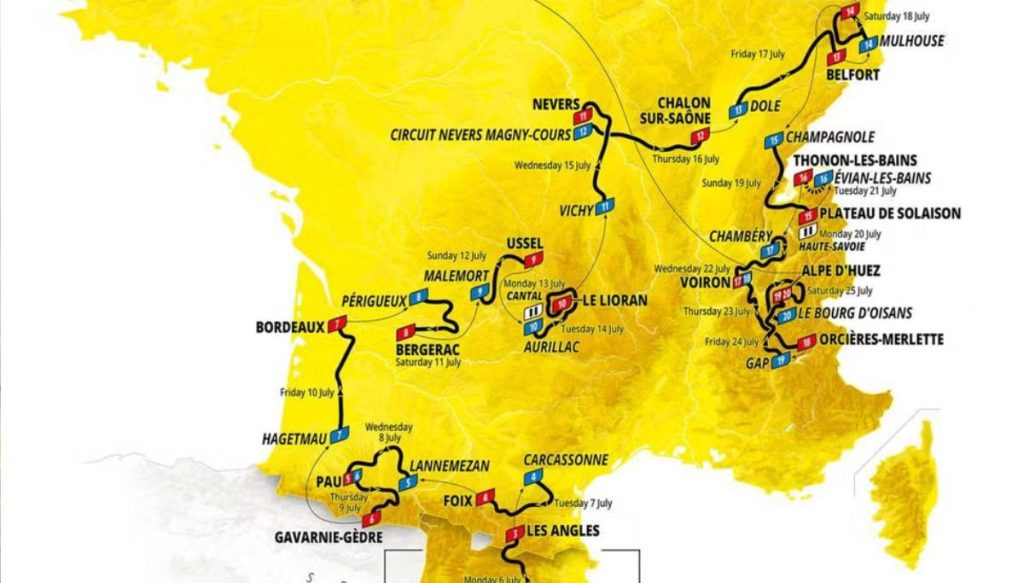
From a downtown team time trial in Barcelona to a hilly, cobbled final stage in Paris, here are eight stages we’ve already circled on the calendar. The 2026 Tour de France begins Saturday, July 4, in Barcelona with a 19.6km team time trial that should light up the early fight for the yellow jersey.
In all, the race covers 3,333km over 21 stages: seven flat, four hilly, and eight mountain stages (through five mountain ranges and featuring five summit finishes), plus a team time trial and an individual time trial. Every stage offers something, but these eight stand out for one reason or another.
Stage 2 – Tarragona to Barcelona – Sunday, July 5 (168.5km)
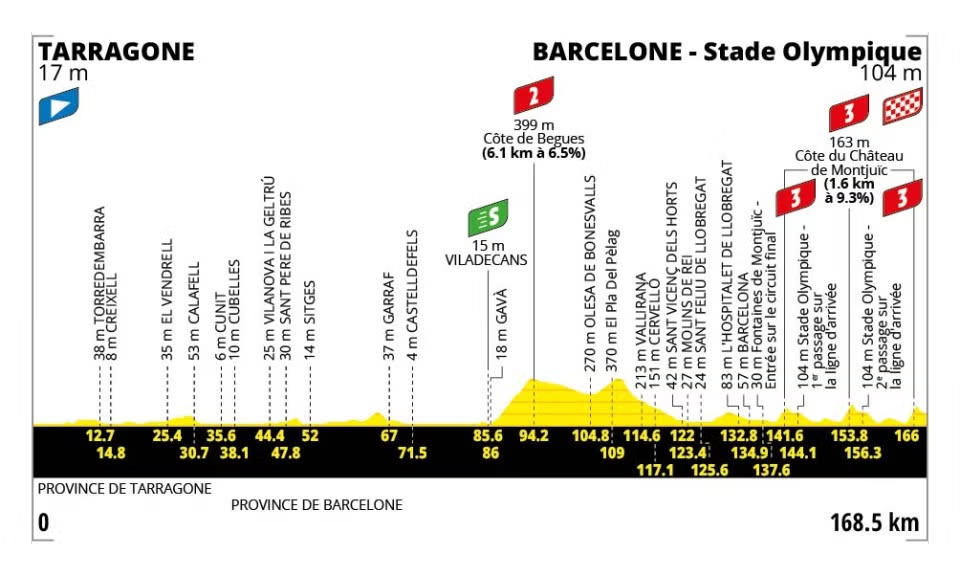
But realistically, Stage 2, the first road stage, looks like the most worth watching during the Tour’s opening weekend. The race starts in Tarragona, then tracks the coast before turning inland for the Category 2 Côte de Begues (6.1km at 6.5%).
Once back in Barcelona, the riders take on three finishing circuits featuring the Category 3 Côte du Château de Montjuïc, a short climb (1.6km) with a steep 9.3% average gradient. It’s long been the centerpiece of the Volta a Catalunya finale, and it usually delivers exciting and unpredictable racing.
The finish is in the same place as Stage 1: atop a steep ramp outside the Olympic Stadium, a couple of kilometers after the summit. It’s the kind of punchy finish that could bring the yellow jersey contenders into play, especially if the gaps after the team time trial are small.
It suits Tadej Pogačar (UAE Team Emirates-XRG), who won here at the Volta a Catalunya in 2024. But Remco Evenepoel (Red Bull-BORA-hansgrohe) and Paul Seixas (Decathlon CMA CGM Team) could make things interesting.
When to Watch: Tune in with about 30km to go, around 5:00 p.m, as the riders hit the Montjuïc circuit for the first time.
Stage 6 – Pau to Gavarnie-Gèdre – Thursday, July 9 (186km)
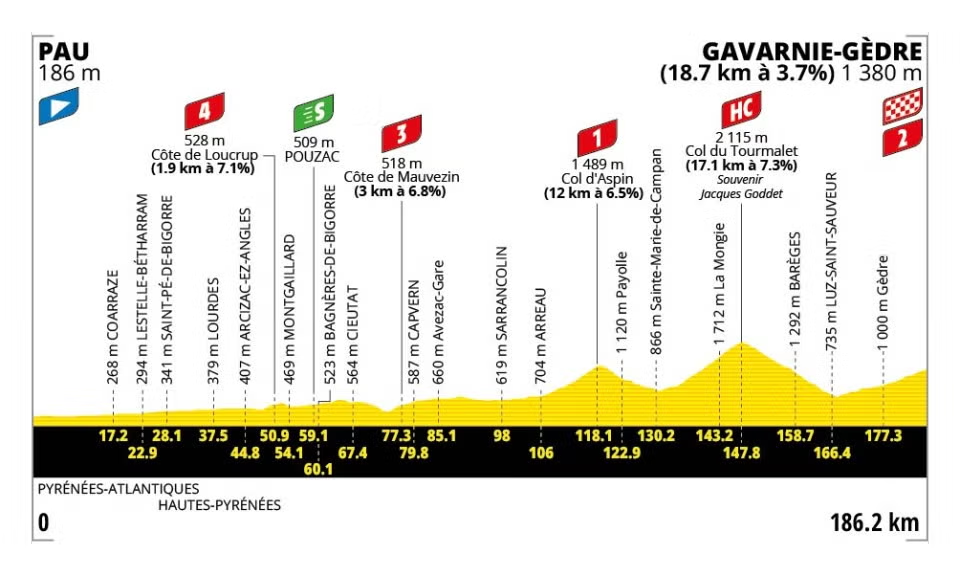
The Tour heads into the Pyrenees early for Stage 6, which is the first real mountain test for the GC riders. The 186km route packs in 4,150m of climbing and five categorised ascents, including the Col du Tourmalet, the first Hors Catégorie climb of the race.
Beginning in Pau–as most Pyrenean stages often do–the race winds its way toward the Tourmalet via the Category 4 Côte de Loucrup (1.9km at 7.1%), the Category 3 Côte de Mauvezin (3km at 6.8%), and the Category 1 Col d’Aspin (12km at 6.5%). Then the riders will hit the Tourmalet, with its 2,115m summit, is the highlight of the stage. The ascent must feel endless to the riders, with 17.1km of climbing and a steady 7.3% average gradient. From there the riders descend to the base of the final ascent: the long but steadier Category 2 climb to Gavarnie-Gèdre (18.7km at 3.7%), a first-time Tour finish.
We probably won’t see a solo winner here. More likely: a reduced group of contenders and climbers sprinting for the stage.
When to Watch: Catch the final kilometers of the Tourmalet at about 4:30 p.m. and then tune back in about an hour later for the final 5km to Gavarnie-Gèdre.
Stage 9 – Malemort to Ussel – Sunday, July 12 (185.5km)
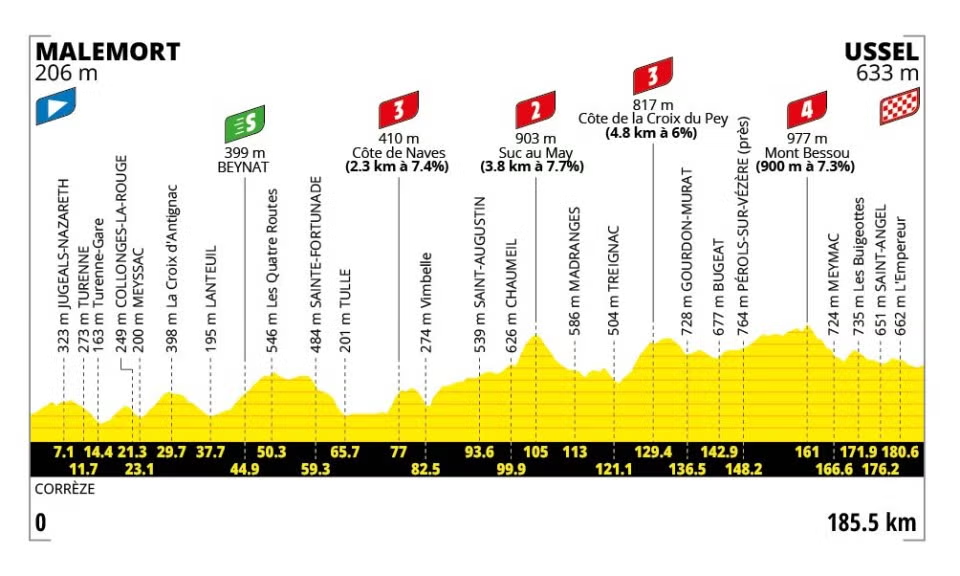
The Sunday stage at the end of the first week is usually designed to end things on a high note before the Tour’s first rest day. Stage 9 is a jagged transitional day through the Corrèze, a region full of short, steep climbs. It’s a stage for the Classics riders. The fight to make the break should be fierce over the uncategorised climbs in the opening hour, with riders like Mathieu van der Poel (Alpecin-Premier Tech), Ben Healy (EF Education-EasyPost), and Matej Mohorič (Bahrain-Victorious) all obvious contenders.
The four categorised climbs begin after the intermediate sprint with the Category 3 Côte de Naves (2.3km at 7.4%), the Category 2 Suc au Mary (3.8km at 7.7%), the Category 4 Côte de la Croix du Pey (4.8km at 6%), and the Category 4 Mont Bessou (900m at 7.3%). Mont Bessou tops out about 25km from the finish, but the technical roads and uncategorised ramps that follow leave plenty of room for late attacks.
We don’t expect a major GC shake-up, but with more than 3,300m of climbing, it’s hard to rule out an ambush.
When to Watch: The start should be lively, so this is one of those rare stages worth watching from the gun. Otherwise, tune in around 5:00 p.m. for the final hour.
Stage 10 – Aurillac to Le Lioran – Tuesday, July 14 (166.6km)
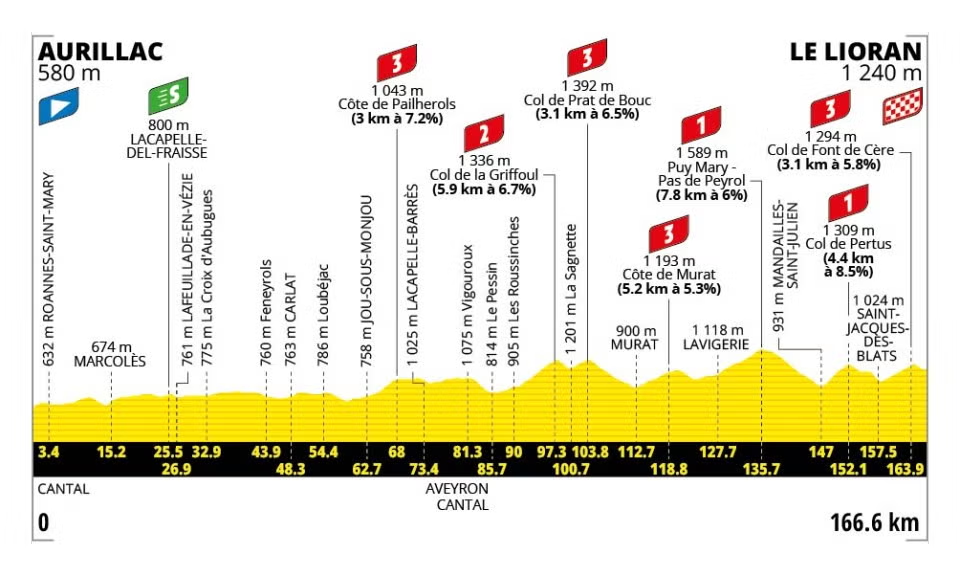
The Tour always tries to give a special stage for Bastille Day, and this year that means another hard day in the Massif Central, with steep climbs, technical roads, and likely summer heat.
Stage 10 is 166.6km long with 3,900m of elevation gain and seven categorised climbs. The first, the Côte de Pailherols, comes early. The other six arrive in quick succession in the second half of the stage.
The race should really ignite on the Category 1 Puy Mary (7.8km at 6%), about 31km from the finish. From there, the riders still have the Col de Pertus (4.4km at 8.5%) and Col de Font de Cère (3.1km at 5.8%) before the run to Le Lioran.
This was the site of one of the best moments of the 2024 Tour, when Pogačar attacked on the Puy Mary, only for Jonas Vingegaard to claw his way back and beat him in the sprint. If the GC is still close, this stage could shape the yellow jersey fight in a real way.
When to Watch: Try to catch the final third of the stage starting around 3:30 p.m.
Stage 14 – Mulhouse to Le Markstein – Saturday, July 18 (155.3km)
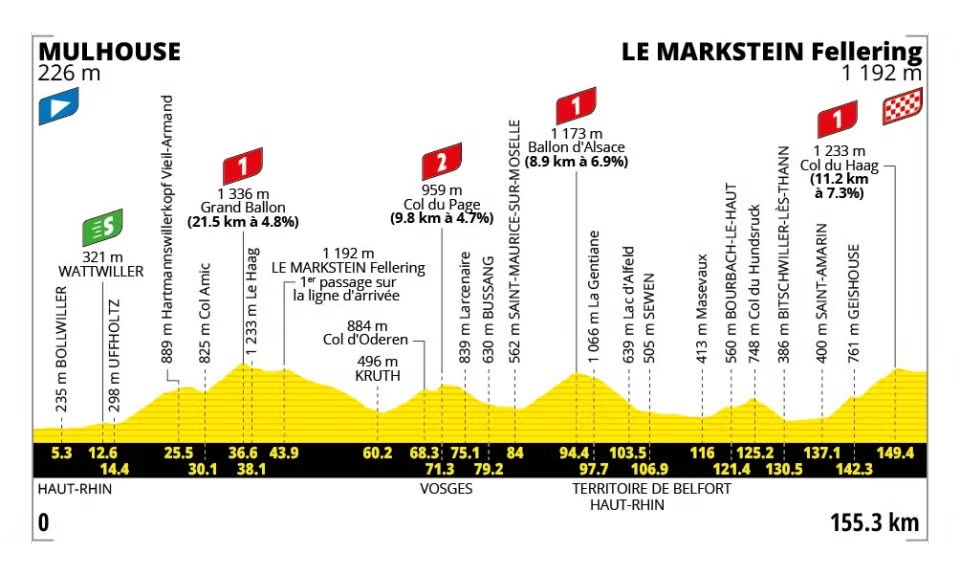
The second week ends with two hard mountain stages, starting with this 155.3km day in the Vosges. It’s a circuit route with 3,800m of climbing that’s hard from the start.
The riders hit the Category 1 Grand Ballon (21.5km at 4%) almost immediately, then pass through Le Markstein before dropping back into the valley. After that come the Col du Page (9.8km at 4.7%) and the Ballon d’Alsace (8.9km at 6.9%). But the key climb on this stage is new: the Category 1 Col du Haag, 11.2km at 7.2%, on what was once an old forest trail. From the top, only 6km remain to Le Markstein.
This is the kind of stage that could go to the break, with a GC battle behind, but if there are motivated teams still looking for a result in this year’s race, they might not let it go, leaving the door open for the favourites to battle for another stage win.
When to Watch: Either watch the opening hour for the breakaway fight, or tune in around 5pm for the Col du Haag.
Stage 15 – Champagnole to Plateau de Solaison – Sunday, July 19 (184km)
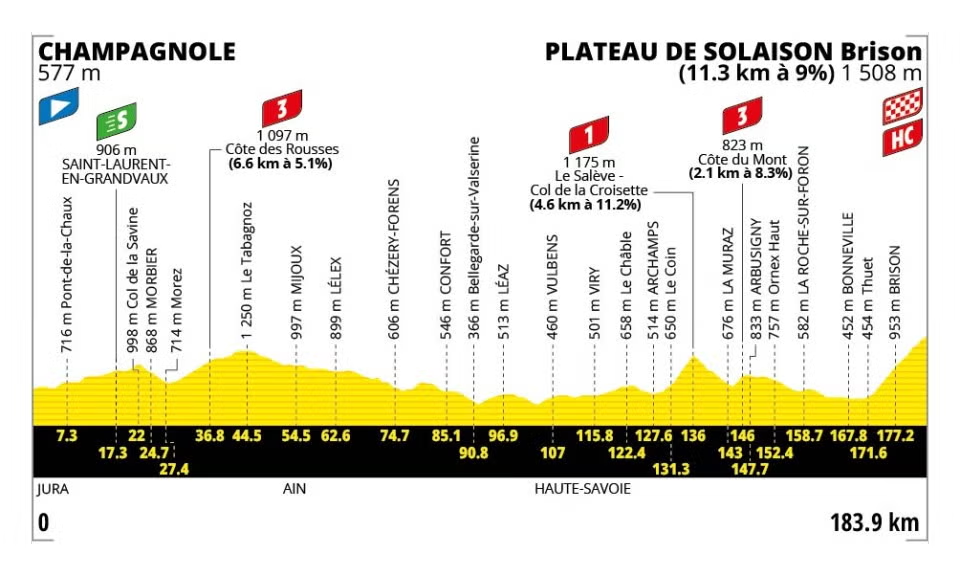
The next day brings the race into the Alps for what might be the hardest summit finish of the Tour.
The 184km route rolls south through the Jura mountains and east toward the Alps, with no real flat roads and 3,950m of climbing. The first half should be nervous as teams try to place riders in the break, either to chase the stage or help their GC leaders.
With about 60km to go, the route hits the first of two new climbs: the Category 1 Col de la Croisette, only 4.7km long but brutally steep at 11.2%. It should split the race, leaving only the strongest climbers and contenders at the front.
After the Côte du Mont (2.1km at 8.3%) comes the final climb: the Hors Catégorie ascent to Plateau de Solaison, 11.3km at 9%. In fact, the road doesn’t dip below 9% until the final 1,300m of the stage, but by then the damage will already have been done.
This should be one of the race’s best summit finishes.
When to Watch: Tune in around 5:20 p.m. for the final 40 minutes.
Stage 20 – Le Bourg d’Oisans to Alpe d’Huez – Saturday, July 25 (171km)
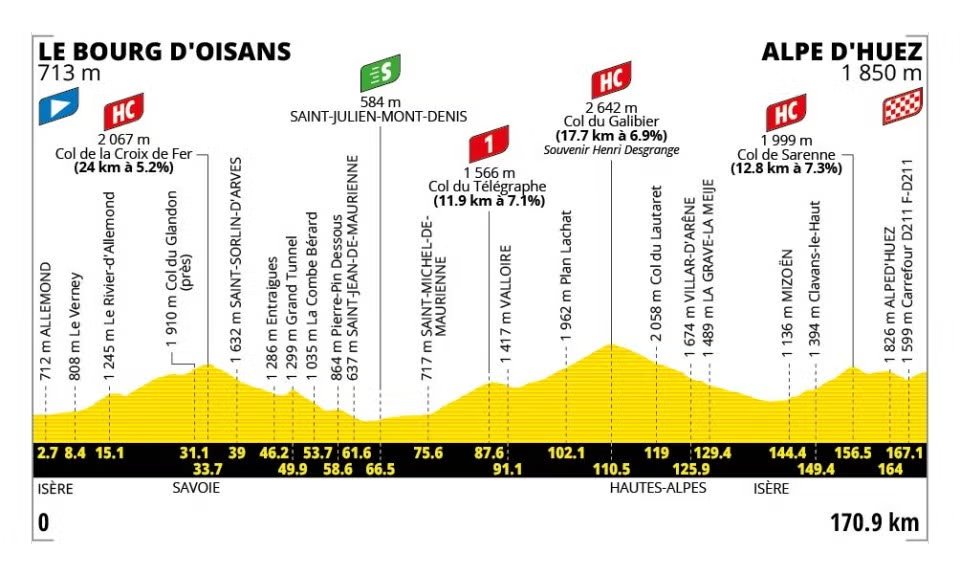
The final week of the Tour is brutal, but Stage 20 stands above the rest. It’s longer and harder than the previous day’s summit finish on Alpe d’Huez, with 5,600m of elevation gain and three Hors Catégorie climbs before the race returns to the famous ski resort for the second straight day.
The stage starts almost immediately uphill on the Col du Glandon (24km at 5.2%), then heads over the Col du Télégraphe (11.9km at 7.1%), and up to the Col du Galibier (17.7km at 6.9%), the highest point of the 2026 Tour at 2,642m.
After the long descent comes the day’s final major obstacle: the Col de Sarenne (12.8km at 7.3%), essentially the back way into Alpe d’Huez. It has appeared only once before, in 2013 as a descent, and this will be the first time the Tour climbs it. After the summit, the route drops a bit before joining the final kilometers used by the race the day before. It may not be a formal summit finish, but it will race like one.
This will be the last real chance to win the Tour or lose it.
When to Watch: Check in for the final kilometers of the Galibier around 2:45 p.m, or tune in before the Col de Sarenne at about 3:35 p.m.
Stage 21 – Thoiry to Paris – Sunday, July 26 (130km)
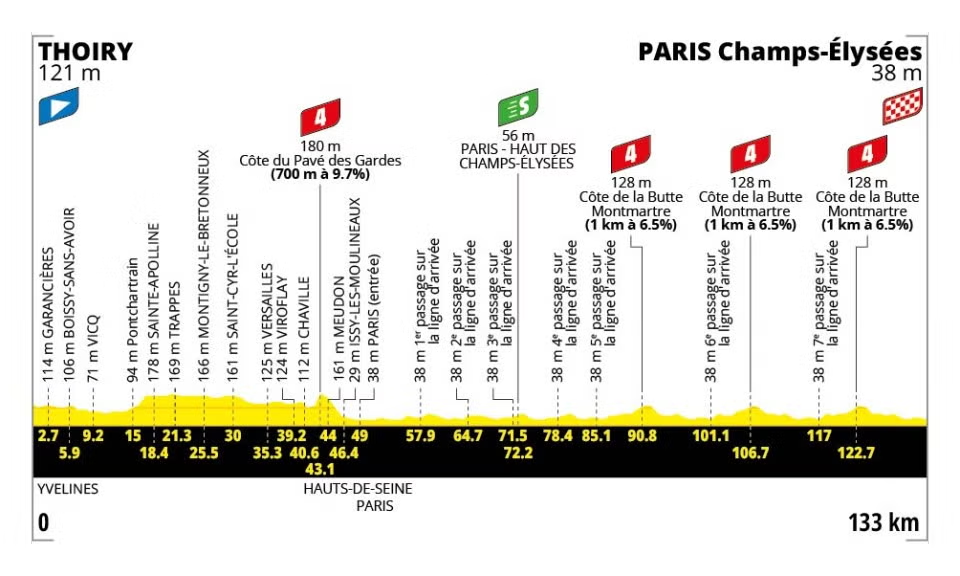
Until recently, the final stage of the Tour was mostly ceremonial until the sprinters took over on the Champs-Élysées. That changed last year when the organisers borrowed from the 2024 Olympic road race and added the cobbled Côte de la Butte Montmartre to the finishing circuits.
The result was one of the most exciting final stages in recent memory, with Wout van Aert riding away from Pogačar in the rain. The climb turned the usual parade into a real race, and it returns this year.
If the weather stays dry and the organisers again neutralise GC times before the circuits, the riders who want to go for the stage win can light things up, and the podium contenders don’t have to worry about losing it all in the final hour of a three-week Tour. And given how well Pogačar rides on the cobbles, don’t be surprised if he goes after it.
When to Watch: The stage starts around 4:25 p.m. but the key moment comes around 6:45 p.m. EDT when the riders begin the first of the laps over Montmartre.
This article first appeared on bicycling.com
READ MORE ON: 2026 Tour de France