
The Biggest Winners and Losers of the 2026 Men’s Tour de France
From Pogačar’s dominance to the teams that disappeared.
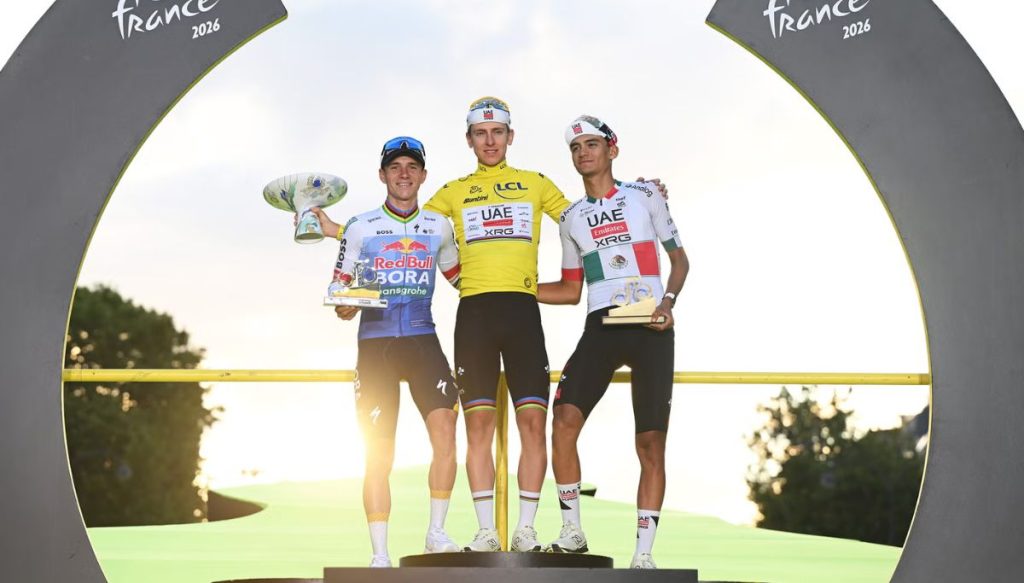
Tadej Pogačar won a fifth Tour de France. UAE Team Emirates-XRG put two riders on the podium and won six stages. Remco Evenepoel answered stubborn questions about his climbing. Paul Seixas finished fourth at 19, while Mads Pedersen found an unusually difficult path to the green jersey.
The success was not spread evenly. Only 10 teams won one of the Tour’s 21 stages, leaving 13 without a victory. Some were aggressive enough to leave an impression anyway. Others were so quiet that it was easy to forget they were there. Here are my winners and losers from the 2026 men’s Tour de France.
Winner: Tadej Pogačar and UAE Team Emirates-XRG
There is no real argument over who won the most at this Tour. Pogačar took five stages, set a record on Alpe d’Huez and finished 6:26 ahead of Remco Evenepoel. His fifth yellow jersey put him alongside Jacques Anquetil, Eddy Merckx, Bernard Hinault and Miguel Induráin. UAE’s success went beyond Pogačar, too. Isaac del Toro won a stage, finished third overall and took the white jersey.
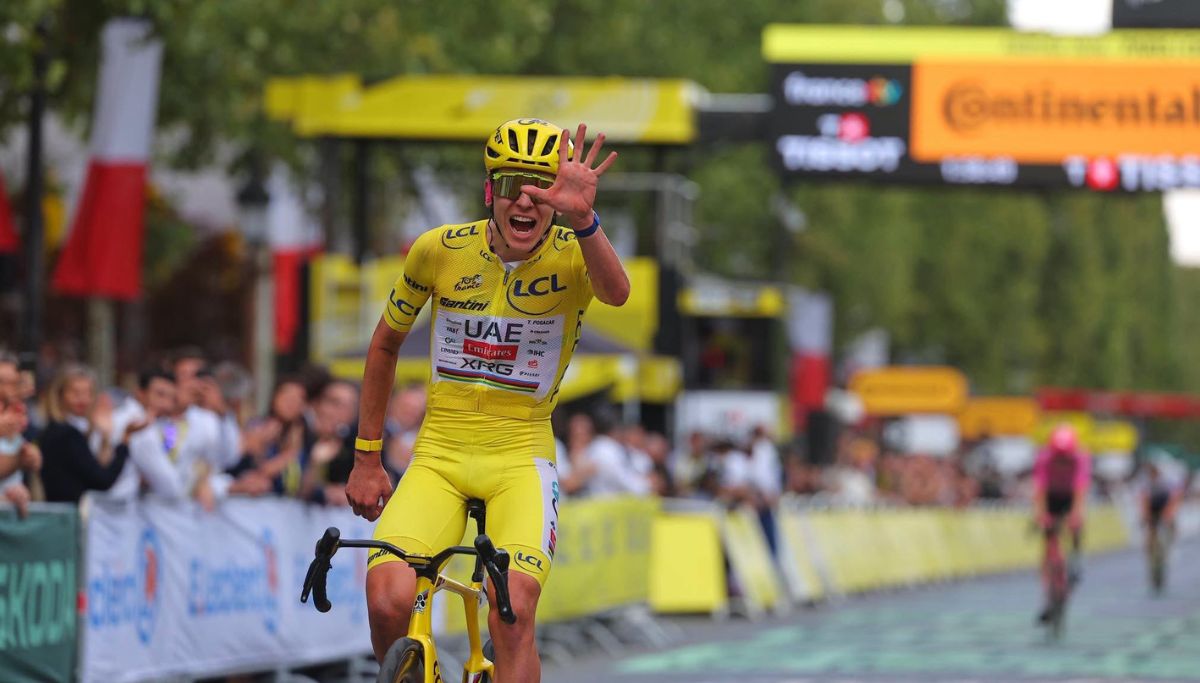
Pogačar and UAE have set the bar so high that this sort of performance feels almost expected. Of course Pogačar won a handful of stages. Of course he took yellow. Of course UAE put another rider on the podium. Try to resist the urge to be unimpressed. Winning five Tours is extraordinary, no matter how easy Pogačar makes it look. He was the strongest rider in the race, but also one of its most ambitious. Even with yellow under control, he kept racing for stages and records.
Winner: Remco Evenepoel
It is strange that a Grand Tour winner, double Olympic champion and former world champion could have so much doubt hanging over him. Yet Remco Evenepoel still entered this Tour with plenty to prove. Could he handle the mountains? Could he stay consistent for three weeks? Could he challenge Pogačar and Jonas Vingegaard instead of simply limiting his losses?
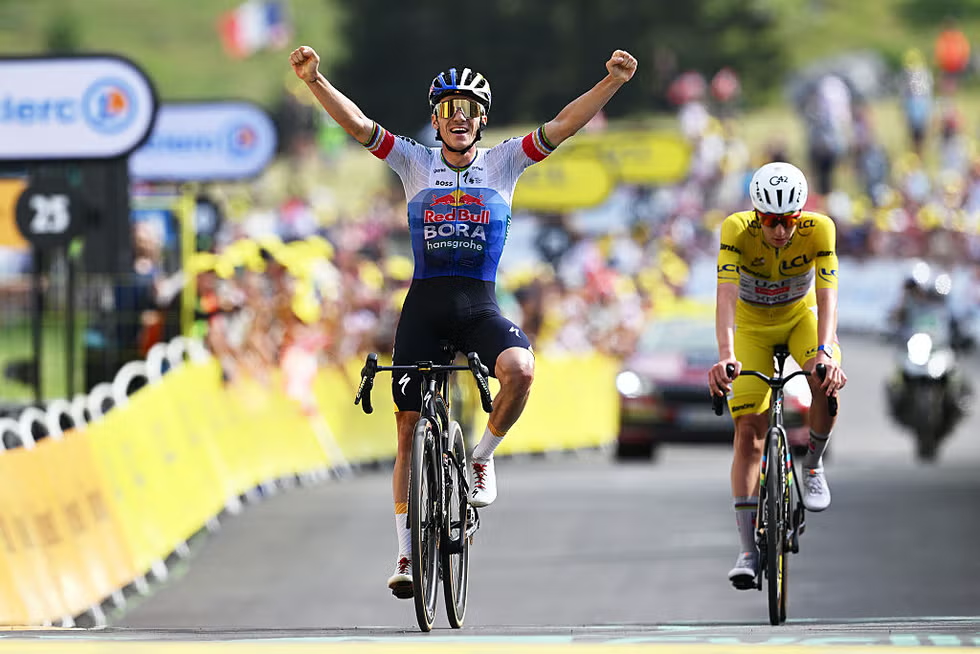
Everyone expected Evenepoel to dominate the individual time trial, and he did. His performances in the mountains showed Evenepoel to be capable of riding with (and beating) the best climbers in the world. He won a mountain stage and finished second on Stage 20, arguably the race’s hardest stages. He never suffered the collapse his critics were waiting for. Evenepoel could not match Pogačar, but nobody else could either. He still showed himself to be the race’s second-best climber.
Would things have been different if Vingegaard had not crashed out? Possibly. But given how well Evenepoel rode in the final week, I am not convinced Vingegaard would automatically have pushed him down to third. Evenepoel did not just survive the mountains after building an advantage in the time trial. He won in the mountains and remained strong through the hardest days of the final week.
Winner: Mads Pedersen
Mads Pedersen was not the fastest sprinter at this Tour, but he still went home with the green jersey. Pedersen won only one stage, yet he kept finding ways to score points. He took points in bunch sprints, chased intermediate sprints, and joined breakaways on days when all the other sprinters were in the gruppetto.
His ride over the Galibier summed up his Tour. Pedersen dragged himself across terrain that should have ended his involvement in the green jersey fight, then won the intermediate sprint anyway. The green jersey victory completed his set of points jerseys from all three Grand Tours. He is only the sixth rider to do it.
Winner: Paul Seixas
Paul Seixas finished fourth in his first Grand Tour at just 19 years old. That alone would have made his Tour a success, but Seixas did more than protect his position. He raced ambitiously and tried to take third place and the white jersey from Isaac del Toro. He did not manage it, but there was something impressive about watching a teenager refuse to settle for fourth.
While he rode an excellent time trial in the third week, an important test for any GC hopeful, he began losing ground during the closing mountain stages, which was hardly surprising. Three weeks is a long time for any rider, and Seixas had never experienced anything like this. The encouraging part was that he never completely fell apart.
A 19-year-old French rider finishing fourth at the Tour will face an absurd level of attention. People will want to talk about when he can win yellow before he has even had time to process this result. For now, fourth place is more than enough. Seixas had an excellent Tour, and I am excited to see what he does next.
Winner: EF Education-EasyPost and Richard Carapaz
EF Education-EasyPost arrived without the budget or roster strength of the biggest teams. It left with two stage wins, the polka-dot jersey and the overall combativity award, with Richard Carapaz responsible for all of it.
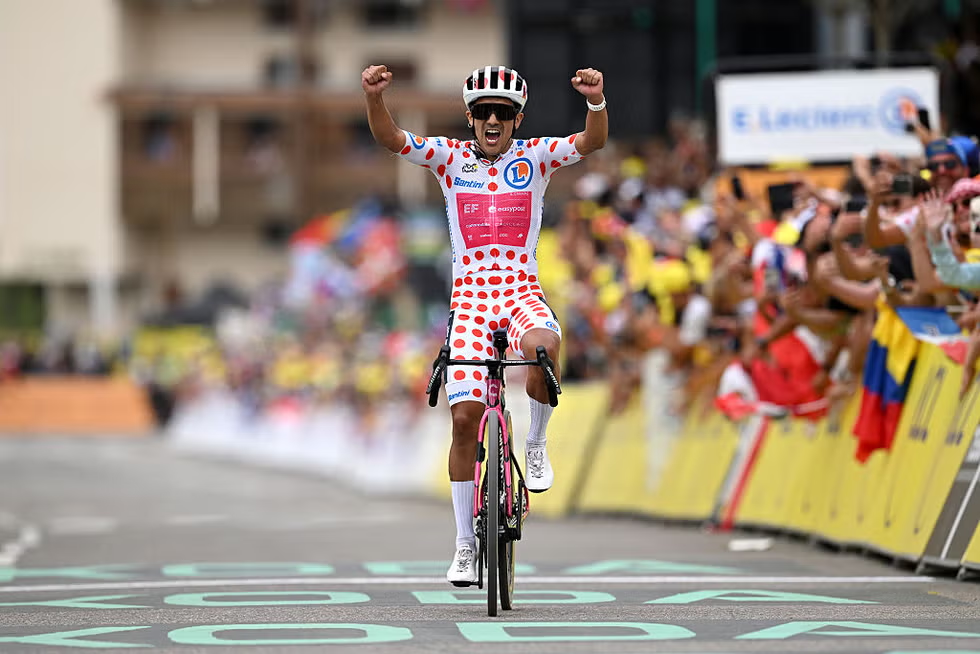
Carapaz and the team committed fully to breakaways, stages and mountain points. They kept attacking through the final week and gave EF a presence in some of the race’s biggest moments. Carapaz never seemed interested in quietly riding to Paris. His stage victory on Alpe d’Huez while wearing the polka-dot jersey was one of the best moments of the Tour and helped him finish off the mountains competition.
EF got far more from this race than several teams with larger budgets. It set realistic goals but still raced ambitiously for them with the whole team.
Loser: Juan Ayuso
Calling a 23-year-old who finished seventh at the Tour a loser feels harsh. It is still a good result, especially for a rider who arrived after an uneven buildup and then crashed during the race. The problem is that Ayuso did not come hoping to sneak into the top 10. He was Lidl-Trek’s leader and a possible podium contender.
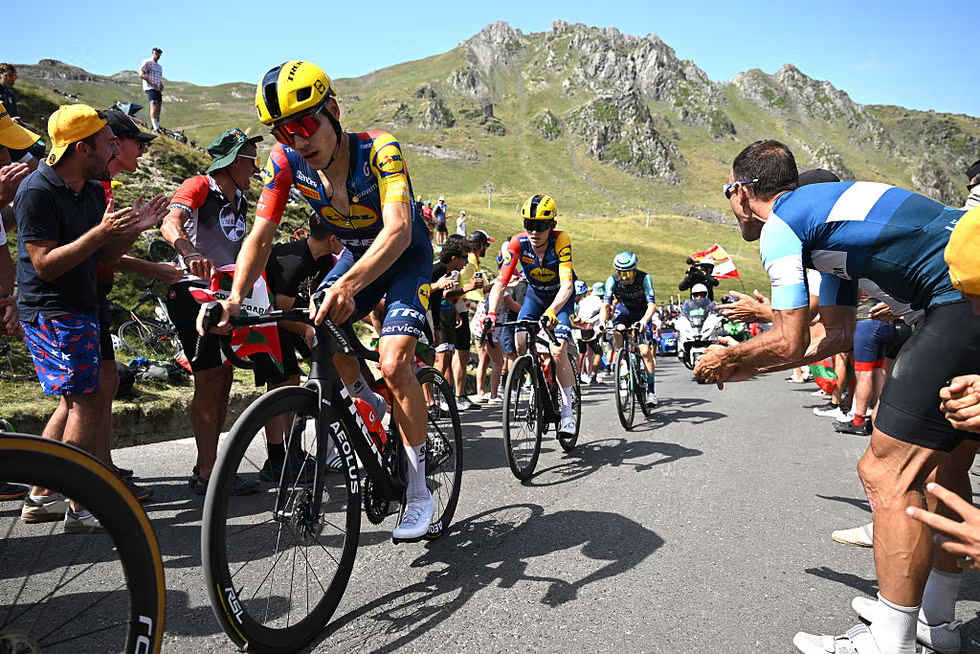
Instead, he finished behind teammate Mattias Skjelmose and never looked capable of staying with Pogačar, Evenepoel or the two young riders closest to the podium. Isaac del Toro, Ayuso’s former UAE teammate, finished third and won white. Seixas, four years younger and riding his first Grand Tour, finished fourth. Those comparisons do Ayuso no favours.
To his credit, he kept fighting and held seventh when his body was clearly running out of energy. His result is respectable, but it does not feel like progress. Ayuso left with the same questions that followed him into the race. The talent is obvious. Turning it into a consistent three-week performance remains the challenge that Lidl-Trek needs to solve.
Loser: The teams that disappeared
The 2026 Tour was a story of the haves and have-nots. Only 10 teams won stages, leaving 13 without a victory. For smaller squads such as Caja Rural-Seguros RGA or TotalEnergies, that is disappointing but understandable. Their chances depend on putting the right rider in the right breakaway. The bigger teams expected more.
Netcompany-Ineos came close in the opening team time trial, but second place was about as good as it got. A team with that budget and history should leave a bigger mark.
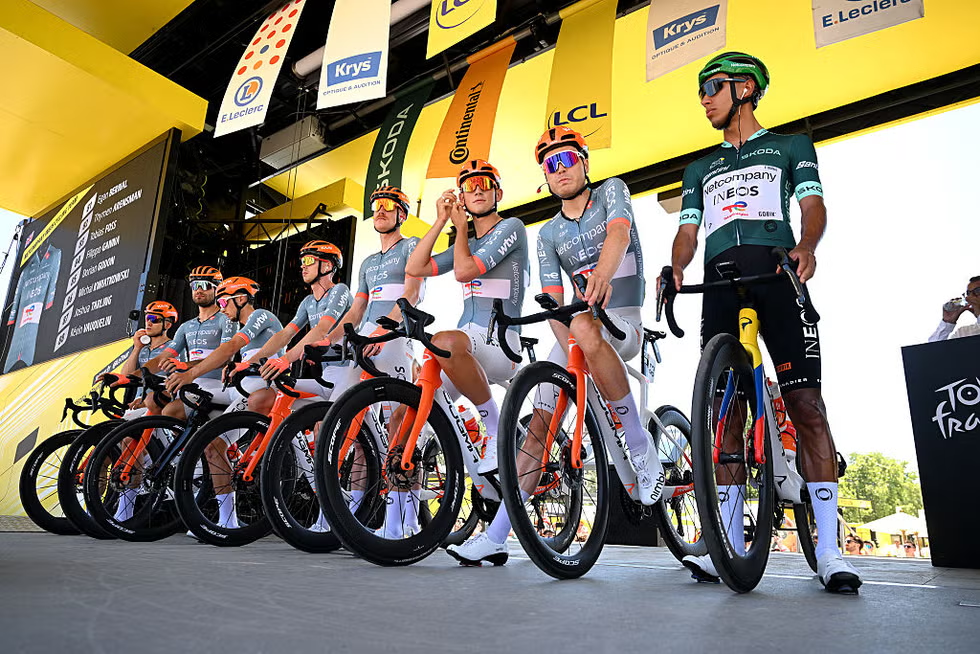
Then there were Movistar, NSN, Cofidis, Groupama-FDJ United and Picnic PostNL. They were so quiet for long stretches that I practically forgot they were there. Not every team can win, but there are other ways to make a Tour worthwhile. Both XDS-Astana and Lotto-Intermarché showed that aggressive racing can still make an impression. To me, it felt like these other teams spent three weeks waiting for opportunities that never materialised.
Winner: The new Paris finale
The redesigned final stage in Paris is perfect. Adding the Montmartre circuit was controversial. The traditional procession followed by a sprint on the Champs-Élysées had been part of the Tour for decades, and plenty of people saw no reason to change it. After this year’s race, it is hard to argue for going back.
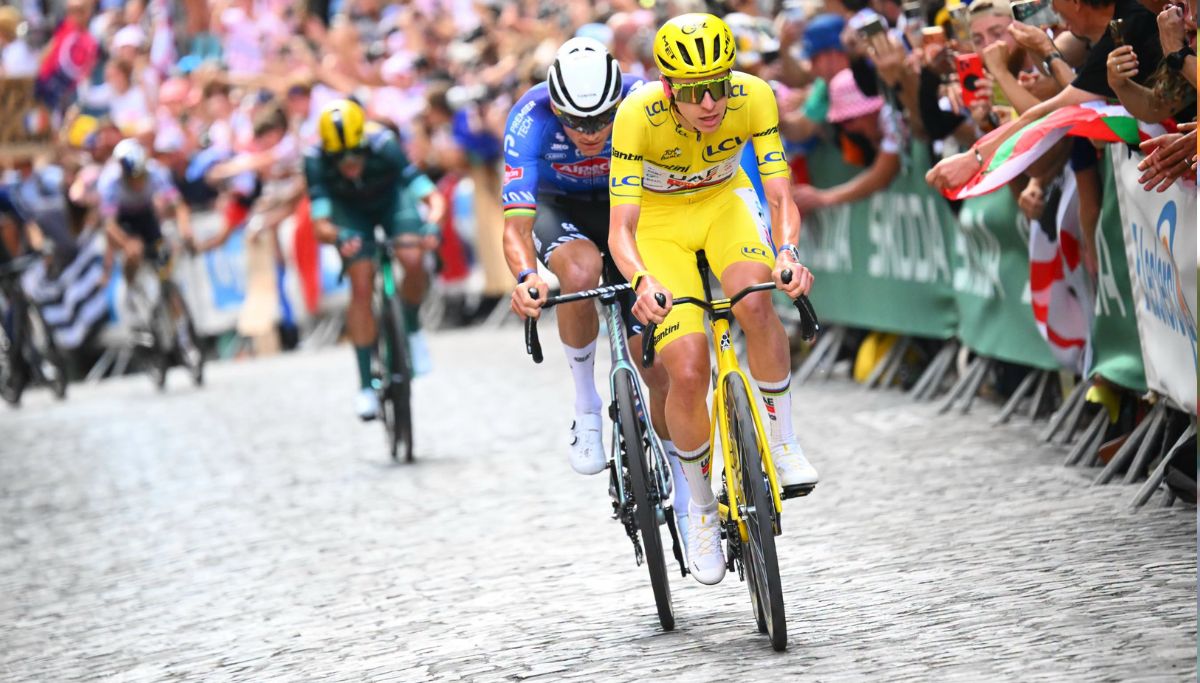
Montmartre is difficult enough to give attackers a chance, but not so hard that a bunch sprint becomes impossible. Very few routes find that balance. Several types of riders can win, and nobody knows who has the advantage until the final seconds. Mathieu van der Poel holding off the sprinters by half a bike length proved the format works.
The old Paris stage offered an impressive setting, but the racing had become predictable. The new circuit kept the spectacle and added a genuine contest. The Tour should not be afraid to evolve.
This article first appeared on bicycling.com
READ MORE ON: 2026 Tour de France