
The ABC Quick Bike Check for Safer Commutes
This smart pre-ride habit helps you feel prepared and confident before every commute.
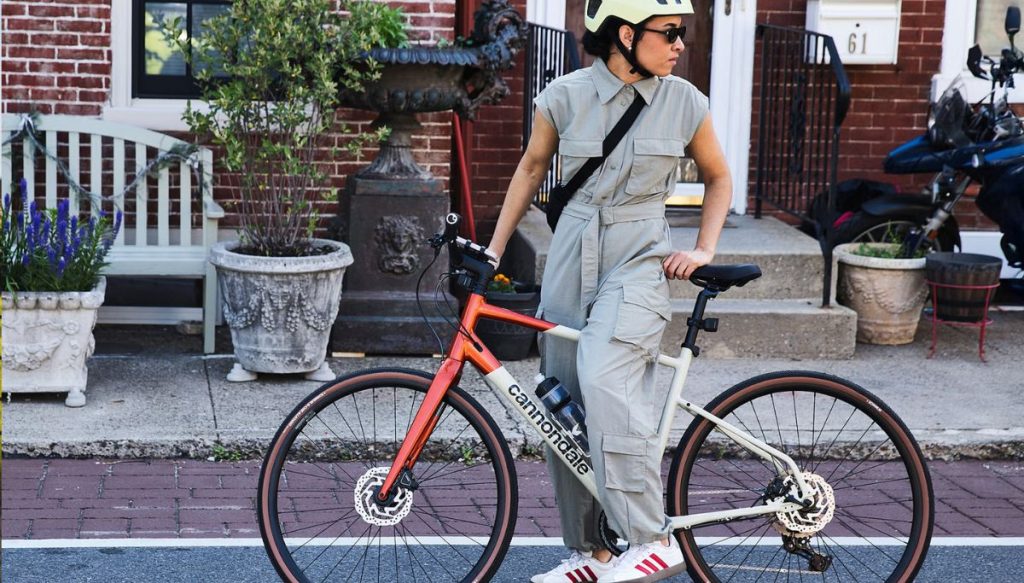
Planning your route, navigating traffic, tackling unpredictable weather. When it comes to commuting for work, school, or your regular errands, getting to your destination without a hitch may feel overwhelming. Add in learning crucial road skills, understanding bike handling techniques, and other key logistics, and beginning your journey as a commuter cyclist can seem downright daunting.
“You can unlock confidence and peace of mind before every commute with a no-frills safety checklist: the ABC Quick Check.”
But a safer, stress-free commute starts before you even hop in the saddle. You can unlock confidence and peace of mind before every commute with a simple, no-frills safety checklist: the ABC Quick Check.
Following this check helps you remember what components and gear to examine before beginning your ride, confirming that both you and your bike are ready for a hiccup-free commute. It’s a preparation strategy recommended by cycling instructors Neil Walker and Laura Davidson Brienza, and you can make it a staple of your precommute routine to calm your nerves and boost your confidence.
Why Should You Perform the ABC Quick Check?
Before you head out for your commute, you should always check to see that your bike and gear can safely get you to and from your destination. The ABC Quick Check simplifies the commute preparation process, reminding you to analyse important bike components, including your brakes, tyres, drivetrain, and more. The checklist also helps you remember quick tests to perform on various features of your bike to ensure proper functionality and smooth riding before you even start pedalling.
“Each [part of the acronym] stands for something on your bike or yourself that you need to check to make sure that you are headed out for a safe and enjoyable ride,” Brienza says.
What is the ABC Check?
The ABC Check acronym corresponds to five important bike components and gear that you should analyze before every commute:
A – Air
Without properly inflated tyres, your ride to the office or grocery store may feel inefficient and uncomfortable. A stronger commute on your bike begins with checking your tyres to confirm they are inflated to an adequate pressure level for smooth kilometres.
Examine your tyre pressure using a valve or gauge to make sure your pressure reading isn’t too low — or too high. Use the inflation measurement on the sidewall of your tyres as a guide for determining your ideal PSI number. Also take into account your route terrain and tire width for fine-tuning your pressure.
B – Brakes
As a commuter, you need to be able to stop efficiently to navigate traffic lights, stop signs, and road congestion — and that power lies in your brakes. Check both your right (rear) and left (front) brakes located on your bike while walking alongside your bike. Test out each brake individually to ensure they stop the front and rear wheels, and then test the brakes together to make sure both wheels halt properly.
C – Chain, Cassette, and Crank
Your bike’s drivetrain powers your kms, keeping you cruising on your route and pedalling forward. That makes analysing your chain, cassette, and crank — three key components of your drivetrain — vital for a successful commute.
Spin your drivetrain backward to look for any stubborn debris stuck in your chain from your previous ride. Take a look at your cassette to see that your gears shift properly. You should also examine your crank system to see that it rotates smoothly.
Quick
Your bike may have a quick release, which supports wheel removal without the need for tools. If your bike does have one, make sure it’s locked properly on the wheels, as well as on your seat.
Check
After you’ve walked through your bike safety examination, you should check yourself. Take a look at your attire to see that you’re properly dressed for your commute’s conditions. Make sure your shoes are tied and loose-fitting clothing is tucked in or tied up.
Lastly, don’t forget about the most important safety feature of your commute: your helmet. Strap on your helmet, fitting it securely and snugly on your head. And before you set out on your route, take a quick ride around your block to make sure all components of your bike are working properly. Complete any necessary fixes or tweaks to your equipment before departing.
Other Safety Considerations to Remember Before Your Commute
Beyond the ABC Quick Check, you can take plenty of other precautions to keep you safe and prepared on your commutes.
If you’re sharing the road with cars on your commute, adding a radar system to your bike can give you reassurance. These powerful devices detect vehicles approaching behind you and alert you on your bike computer or phone.
Simply practicing important commuter skills also supports safer, stronger, and more confident commuter cycling.
This article first appeared on bicycling.com
READ MORE ON: commuting