
Stronger Legs, Stronger Core, Stronger Ride: The Dumbbell Workout Every Cyclist Needs
This expert-designed full-body workout targets the glutes, core, chest, and back to help you produce more power, hold better posture, and stay stronger on the bike.
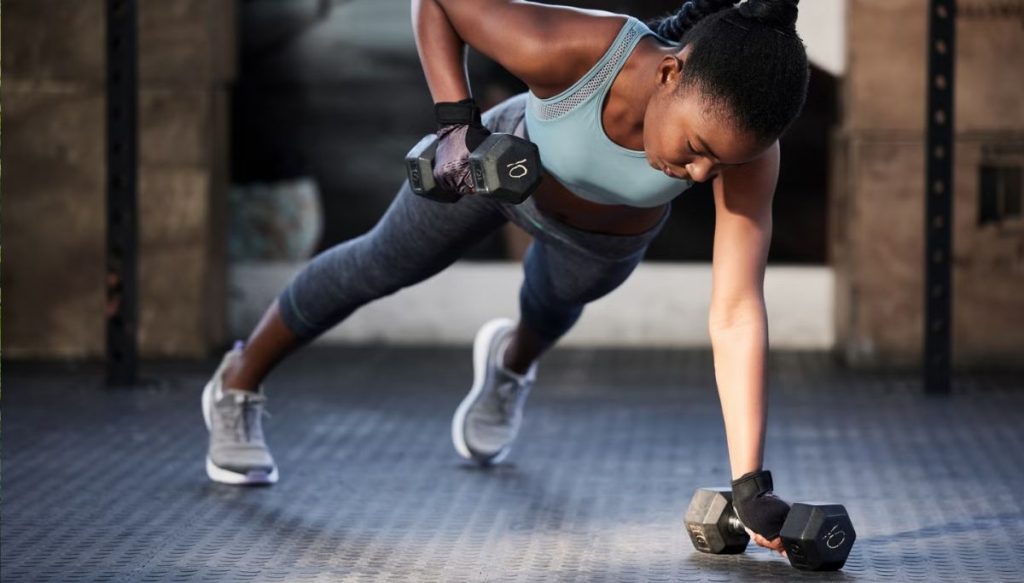
If you want to ride faster, stronger, and pain-free, strength training needs be a non-negotiable part of your routine. Yes, time on the bike is obviously crucial for building cycling fitness, but riding alone will only get you so far if your goal is to ride fast and for longer distances.
If you want to put more power into the pedals, hold a strong riding position longer, and stay ahead of the aches and imbalances that can come with logging a lot of kilometres, you need to build strength off the bike, too.
Ideally, that means making full-body strength work a regularly scheduled part of your training week. To make this happen, having a plan matters. A lot. It makes it much easier to stay consistent, takes the guesswork out of what to do, and helps ensure your workouts are actually building strength that supports your riding, and not creating new imbalances or wasting time with exercises that don’t carry over.
You need a smart, balanced workout you can return to again and again.
Most cyclists don’t need to spend hours in the gym. You just need a smart, balanced workout you can return to again and again. That’s exactly what this dumbbell workout is designed to do.
This is a functional, effective, full-body workout built specifically to support cyclists and designed to build strength that translates directly to the bike. It requires minimal equipment — just a couple of dumbbells, and for a few moves, a bench— so it works just as well at home as it does in the gym.
Just as important, this workout addresses the areas cyclists most often need to strengthen: the core, glutes, upper back, chest, and shoulders. Those muscle groups play a huge role in how efficiently you ride, how well you hold posture on the bike, and how resilient you are against common overuse issues like lower-back discomfort, shoulder tension, and hip instability.
How to Do This Workout
Complete the exercises in the order listed, moving from the first exercise to the last, then repeat the full sequence one more time for a total of two rounds. Perform 12 reps of each move, and focus on controlled, high-quality reps rather than rushing through them.
Before you start, do a quick warm-up to get your blood flowing and prep your muscles and joints for the work ahead. Even five to 10 minutes of dynamic movement can help improve range of motion, wake up your core and glutes, and make the workout feel better from the very first rep.
1. Reverse Lunge With Single-Arm Overhead Raise
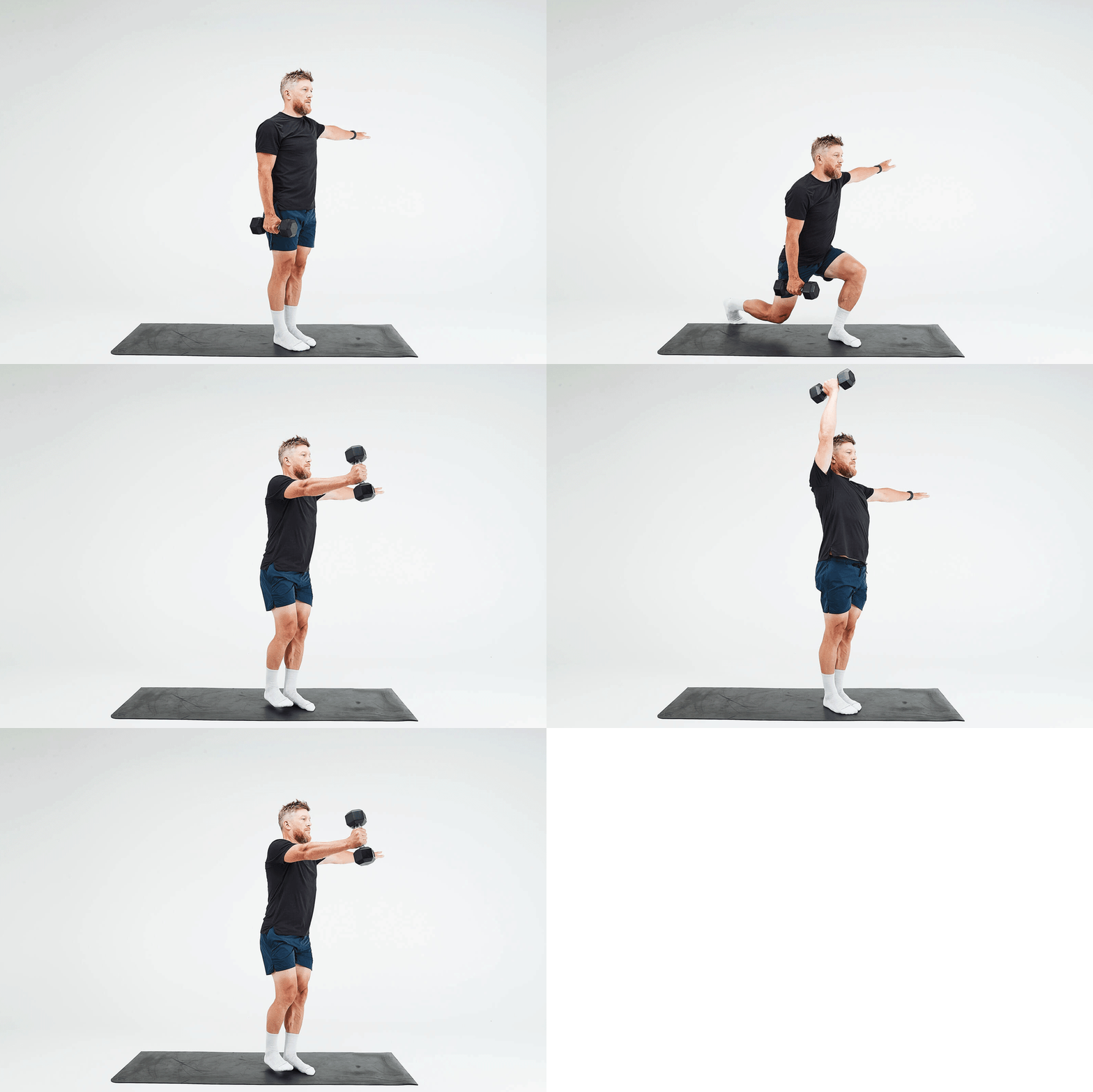
This move builds single-leg strength, balance, and core stability, all of which help cyclists produce power more evenly and stay more stable over the bike. The overhead raise also challenges shoulder and lat strength and challenges core control, which can improve posture and upper-body endurance on long rides.
How to do it:
- Stand tall holding a dumbbell in one hand at your side, with your opposite arm extended straight in front of you at shoulder height.
- Brace your core and step the leg on the same side as the dumbbell back into a reverse lunge.
- As you lower into the lunge, raise the dumbbell straight overhead, keeping your torso tall and steady.
- Lower until both knees are bent about 90 degrees, or as low as you can with good form.
- Drive through your front foot to return to standing as you lower the dumbbell back to your side.
- Complete all reps on one side, then switch sides.
2. Squat to Curl to Thruster
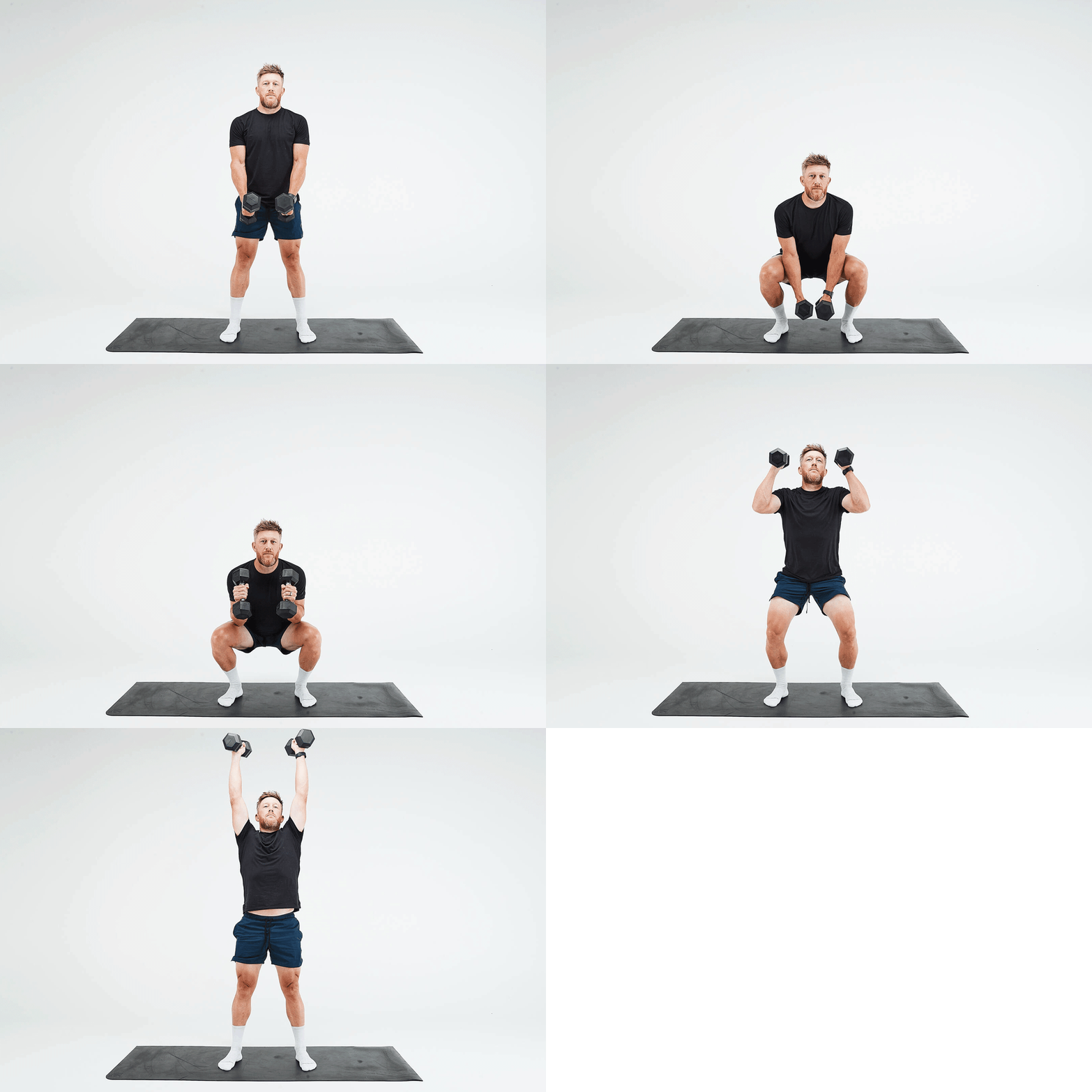
This full-body move builds lower-body strength, upper-body strength, and power in one exercise, making it especially useful for cyclists who want efficient training that carries over to the bike. It challenges the quads while also training the core to stay braced as you move weight from the squat into the press.
How to do it:
- Stand with your feet about shoulder-width apart, holding a dumbbell in each hand at your sides.
- Brace your core, keep your chest lifted, and lower into a squat by hinging your hips back and bending your knees.
- As you stand up, curl the dumbbells up toward your shoulders.
- From there, press the weights overhead in one smooth motion.
- Lower the dumbbells back to your shoulders, then down to your sides, and repeat.
3. Renegade Row
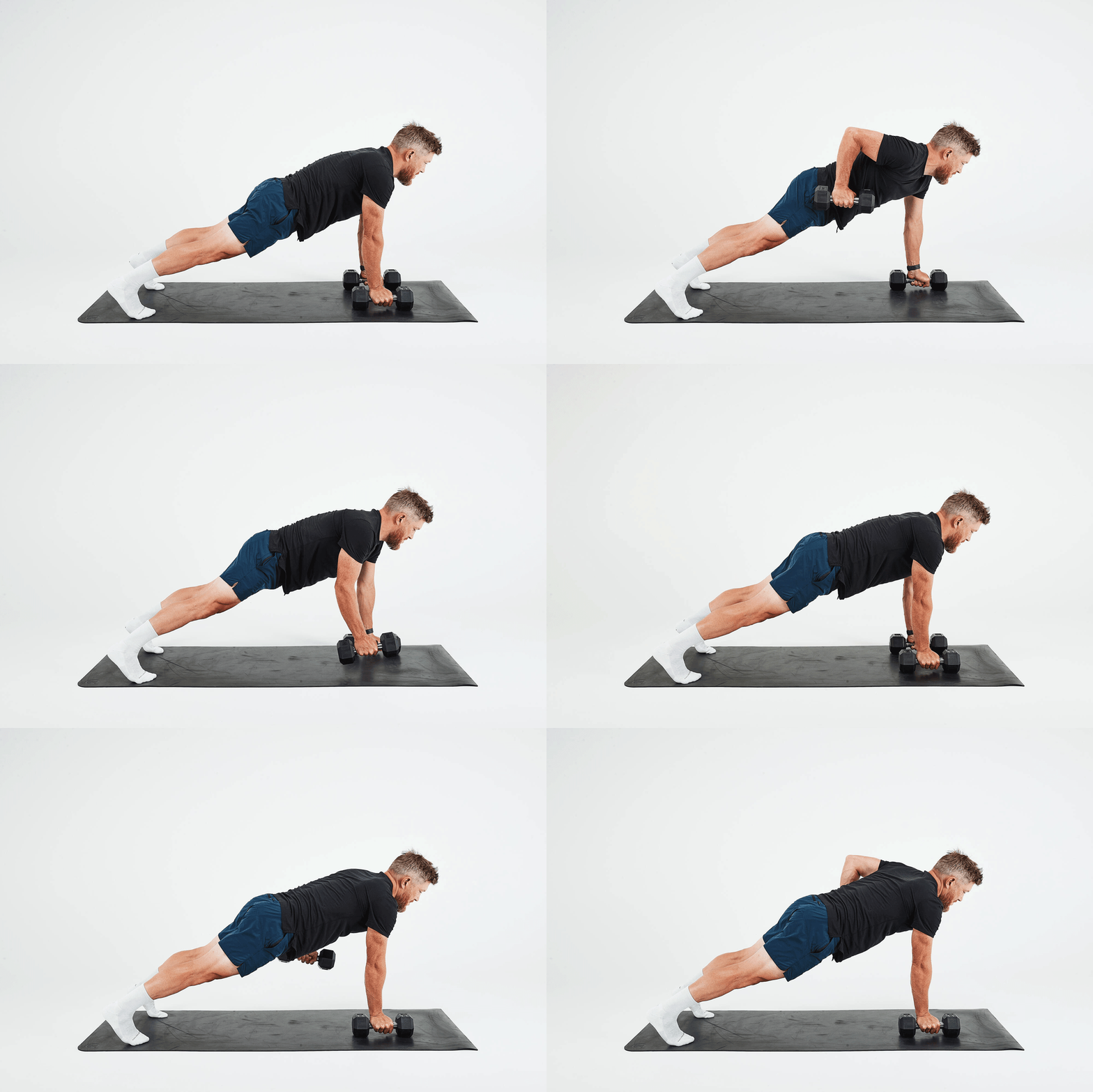
This is one of the best core moves for cyclists because it builds anti-rotation strength, helping you stay steady and efficient while riding hard. It also strengthens the upper back and lats, which support better posture and reduce strain through the shoulders and neck.
How to do it:
- Start in a high plank with one hand on each dumbbell, wrists under shoulders, feet set wide for stability.
- Squeeze your glutes and brace your core so your body forms a straight line from head to heels.
- Row one dumbbell up toward your rib cage without letting your hips twist.
- Lower it back to the floor with control.
- Repeat on the other side and continue alternating.
4. Cross-Body Plank Knee Tap
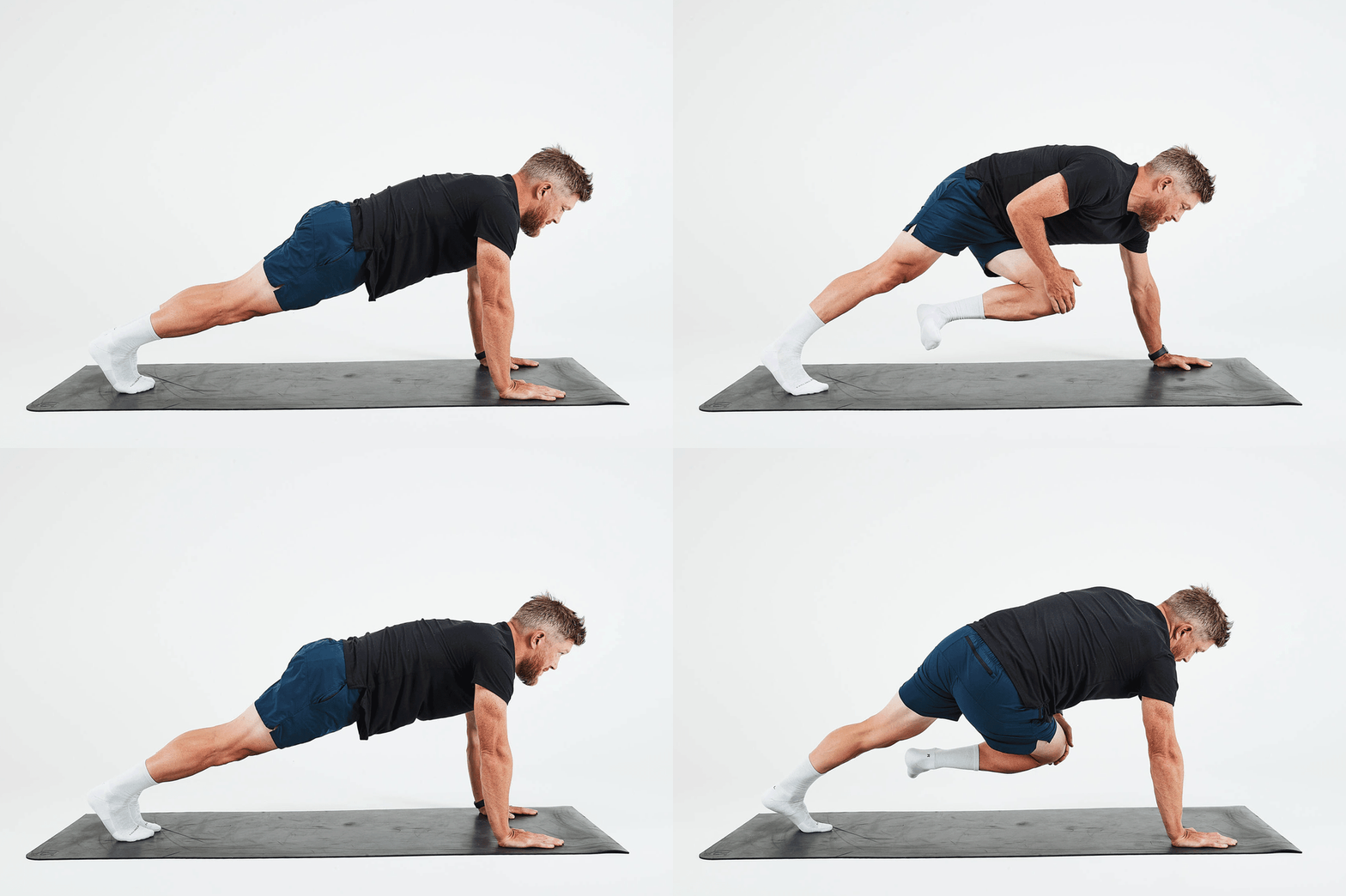
This plank variation targets the deep core muscles that help cyclists hold a strong riding position and avoid low-back discomfort. It also improves shoulder stability and cross-body coordination, both of which help with control and force transfer on the bike.
How to do it:
– Start in a high plank with your hands under your shoulders and your legs extended behind you.
– Brace your core and keep your hips as still as possible.
– Lift one knee and bring it across your body toward the opposite elbow or arm.
– Tap lightly, then return your foot to the floor.
– Repeat on the other side and continue alternating.
5. Dumbbell Chest Press
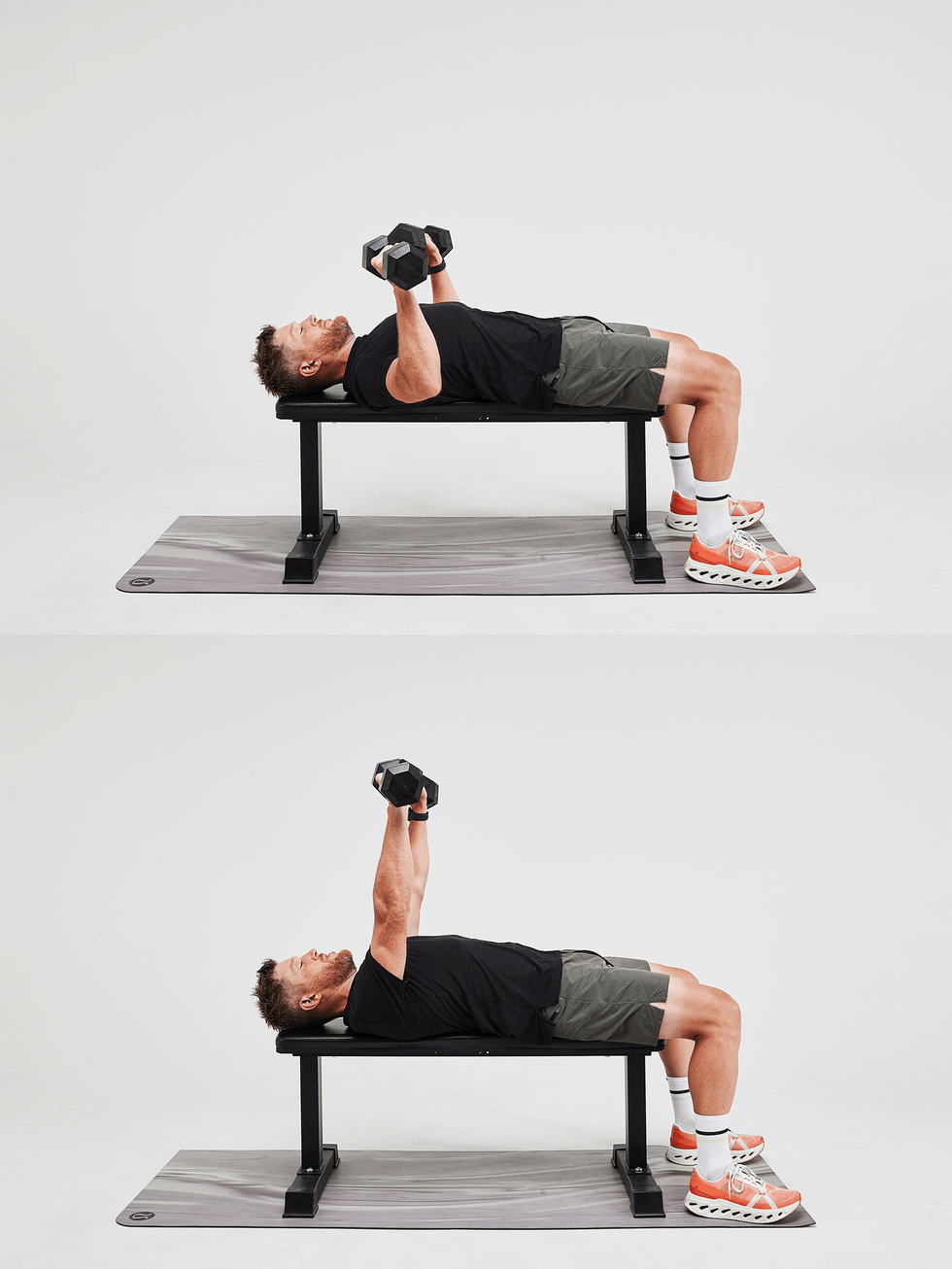
The chest press strengthens the chest, shoulders, and triceps, which helps cyclists stay strong and stable through the upper body, especially during descents, sprints, and rough-road riding.
How to do it:
- Lie on a bench holding a dumbbell in each hand, arms extended over your chest.
- Plant your feet firmly on the floor and keep a slight natural arch in your lower back.
- Lower the dumbbells slowly until your elbows are just below chest level.
- Press the weights back up until your arms are straight above your chest.
- Repeat, keeping your wrists stacked over your elbows.
6. Dumbbell Chest Fly
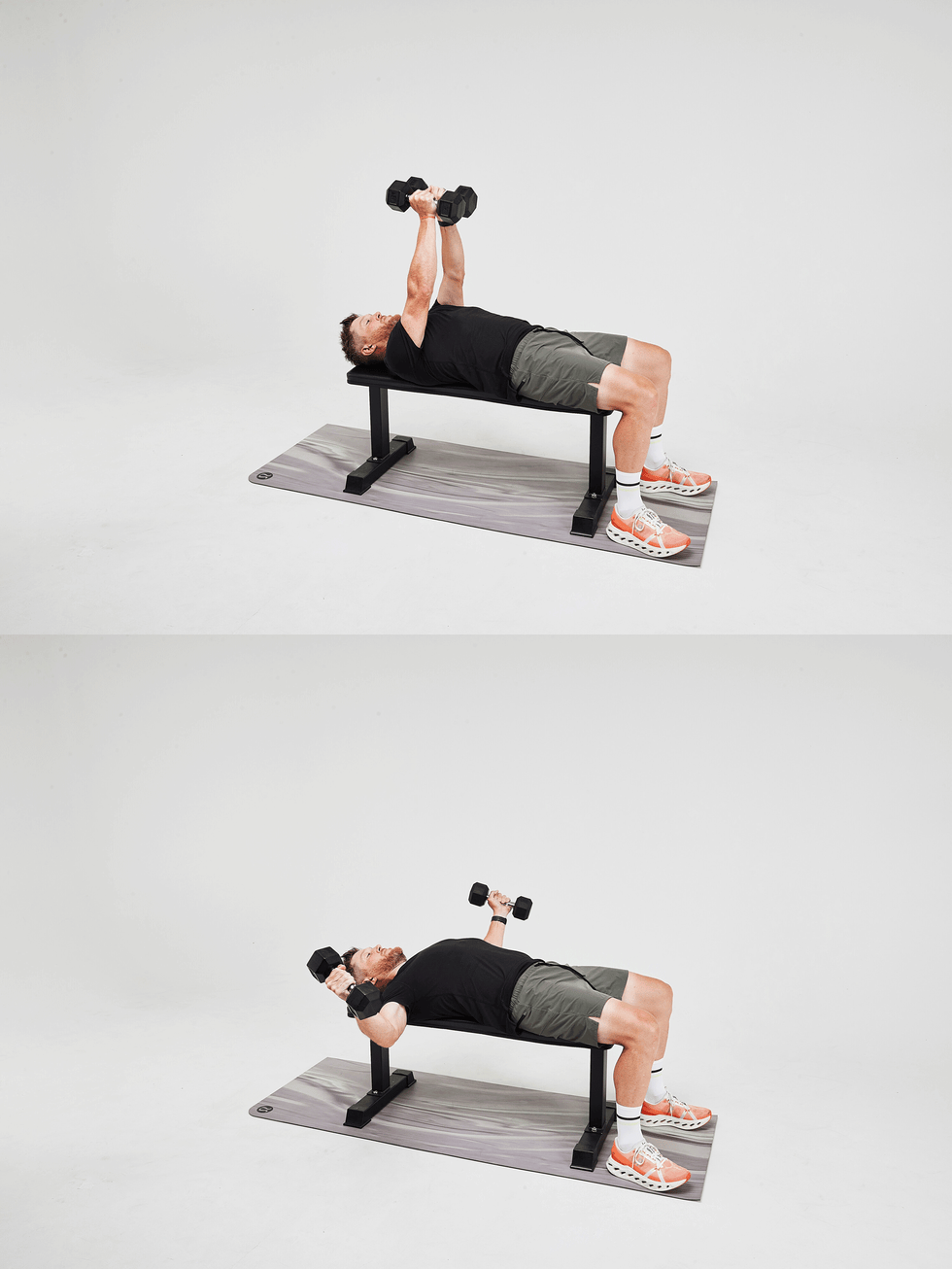
The chest fly strengthens the chest and the small stabilizing muscles around the shoulders, which can help cyclists build better upper-body control. It also improves strength through a wider range of motion than pressing alone.
How to do it:
- Lie on a bench holding a dumbbell in each hand above your chest, palms facing each other.
- Keep a slight bend in your elbows and your feet planted on the floor.
- Open your arms out wide in a controlled arc until you feel a stretch across your chest.
- Stop when your elbows are about level with your torso.
- Squeeze your chest to bring the dumbbells back together above your chest.
7. Dumbbell Hip Thrust
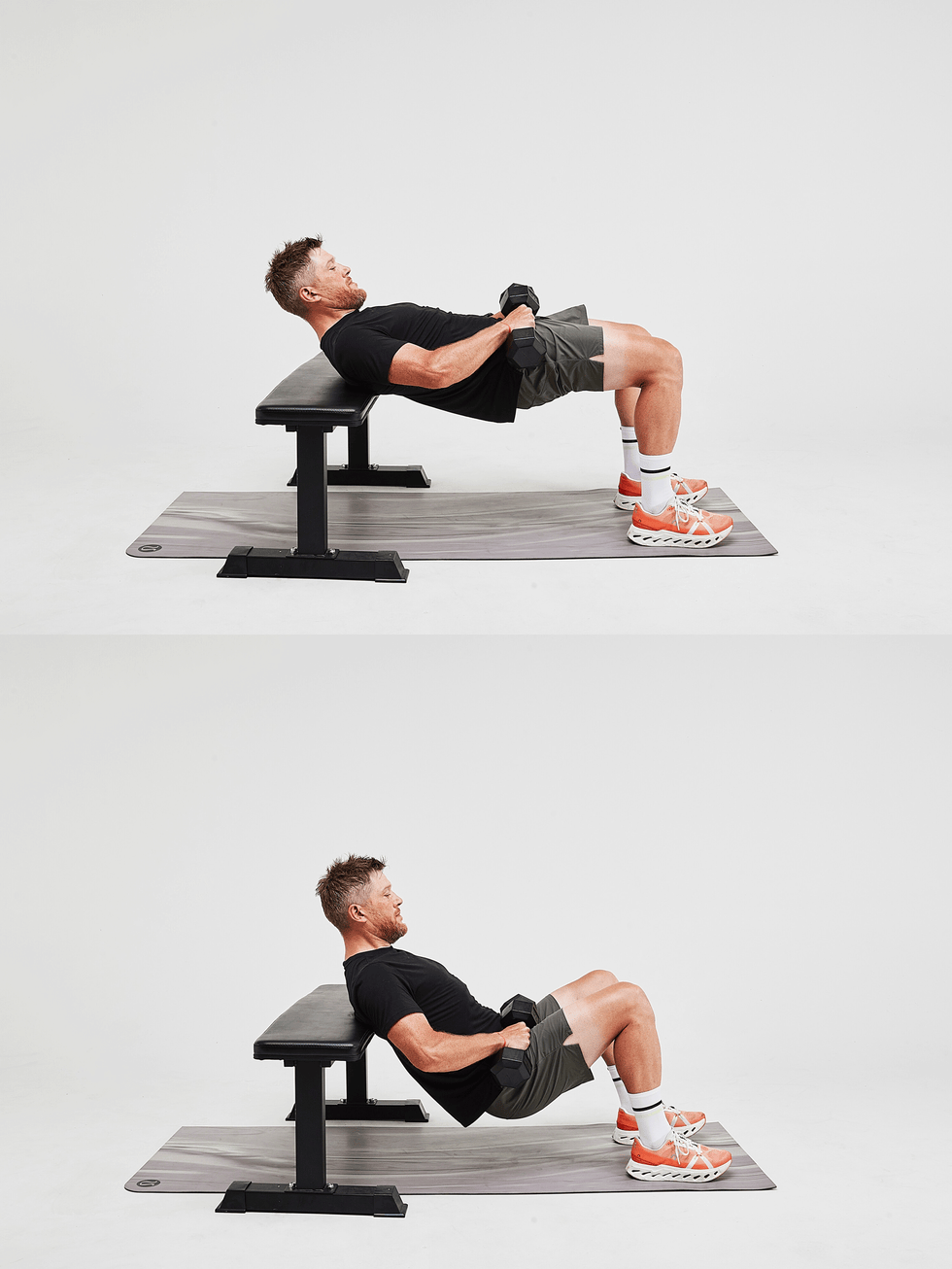
Hip thrusts are a powerhouse move for cyclists because they strengthen the glutes, which are key for power, pelvic stability, and reducing overreliance on the quads. Stronger glutes can also help take pressure off the low back and knees.
How to do it:
- Sit on the floor with your upper back against a bench and a dumbbell resting across your hips.
- Bend your knees and plant your feet flat on the floor, hip-width apart.
- Brace your core and drive through your heels to lift your hips until your body forms a straight line from shoulders to knees.
- Squeeze your glutes at the top without overarching your lower back.
- Lower your hips back down with control.
8. Dumbbell Bent-Over Row
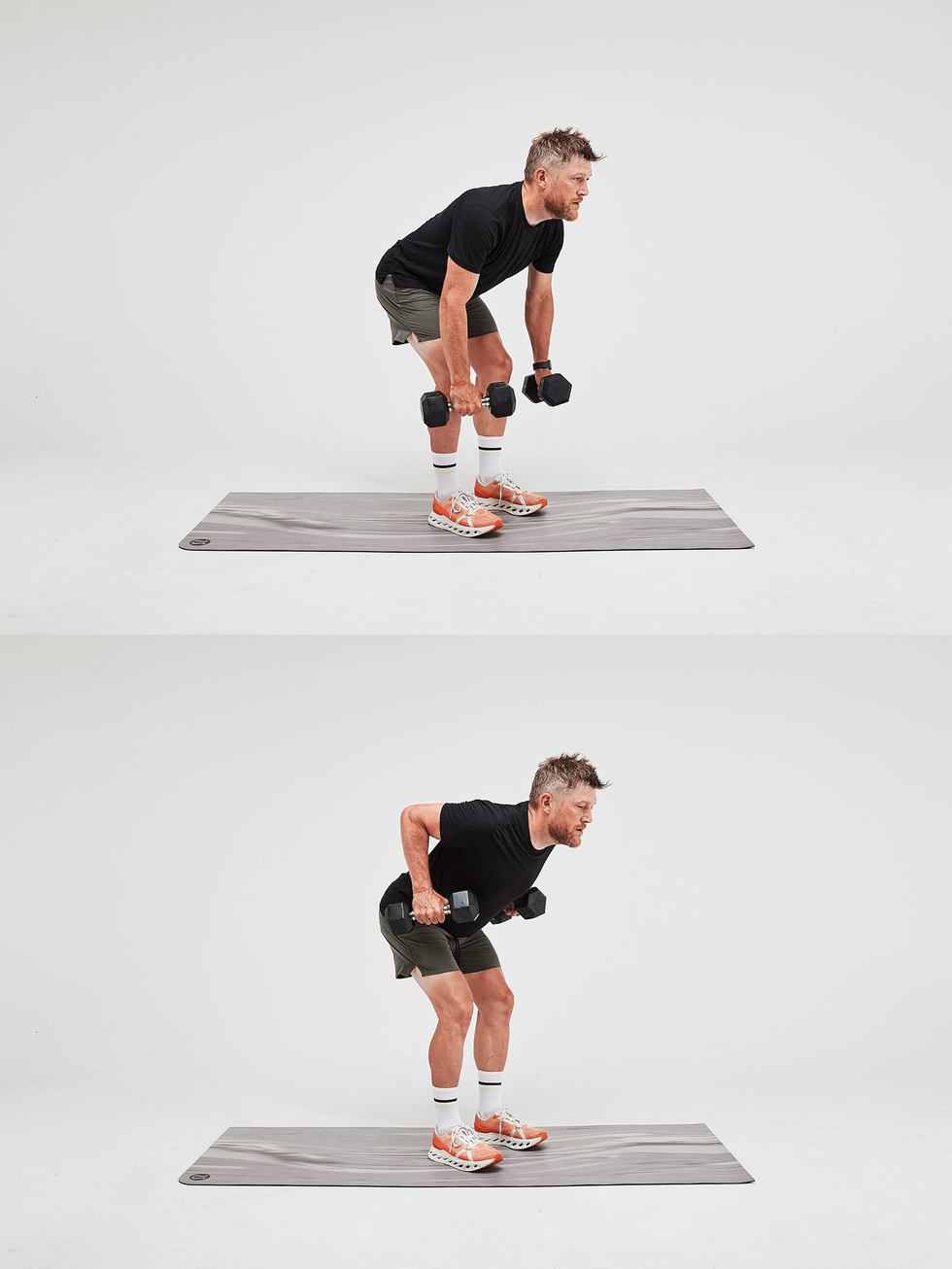
This move strengthens the upper back, lats, and rear shoulders, which is especially important for cyclists who spend hours in a forward-leaning position. A stronger back can improve posture on the bike and help reduce neck, shoulder, and upper-back fatigue.
How to do it:
- Stand with your feet hip-width apart holding a dumbbell in each hand.
- Hinge at your hips and bend your knees slightly until your torso is angled forward, keeping your back flat.
- Let the dumbbells hang below your shoulders with your palms facing in.
- Pull the weights up toward your lower ribs, squeezing your shoulder blades together.
- Lower the dumbbells back down slowly and repeat.
9. Bottom Burpee
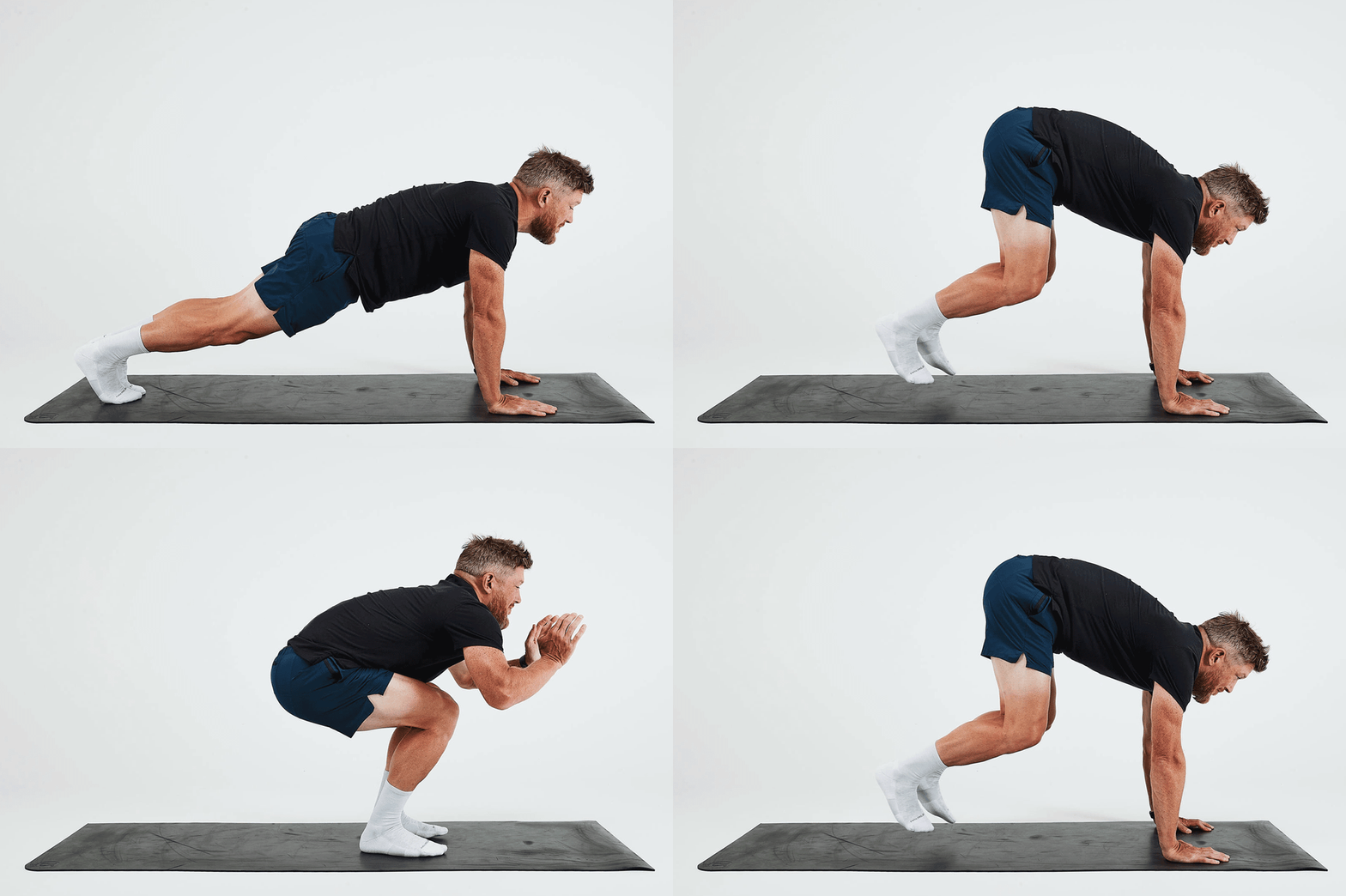
This move builds core stability, shoulder strength, and full-body control, which helps cyclists stay strong and coordinated. It also reinforces the ability to quickly move in and out of a strong plank position, helping improve stability through the trunk and upper body.
How to do it:
- Start in a high plank with your hands under your shoulders and your body in a straight line from head to heels.
- Brace your core and keep your hips level.
- Jump both feet forward toward your hands, landing in a low crouched position.
- Quickly jump your feet back to return to high plank.
- Continue moving back and forth with control, keeping your shoulders stacked over your wrists and your core engaged the entire time.
If you want your strength work to actually support your riding, it needs to be intentional. This workout gives you a simple, balanced template that builds the kind of strength cyclists really need — strong glutes, a stable core, and an upper body that can support good posture and better bike control. Do it consistently, and you’ll be building strength that shows up where it matters most: on the bike.
This article originally appeared on bicycling.com
READ MORE ON: full-body workout strength workout workout