Why Cyclists Should Add Hamstring Curls to Their Strength Workouts
Plus, the best variations to keep up the challenge.
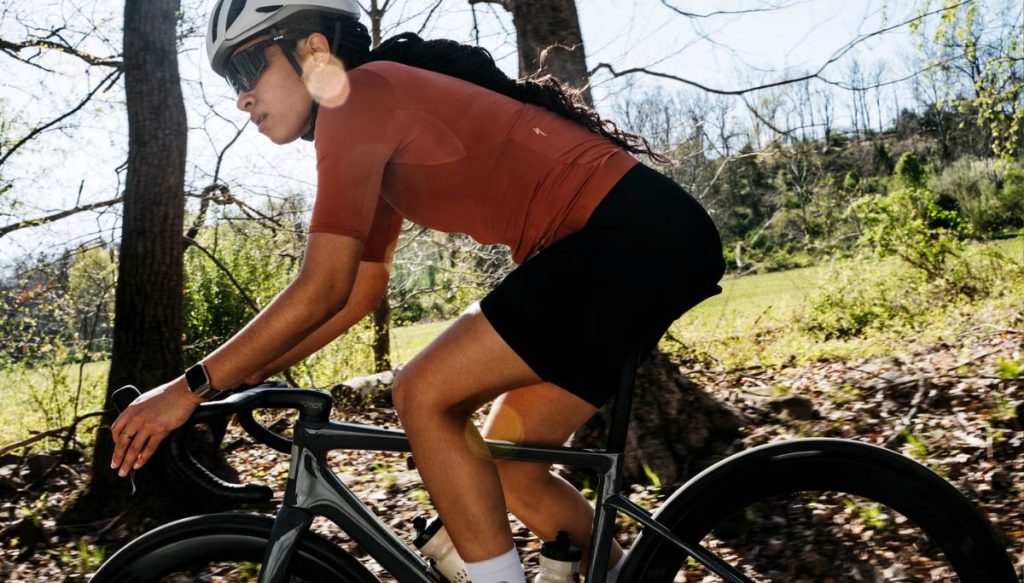
Cycling is a leg workout in itself, but every athlete benefits from supplementing their riding with strength training — not only to improve cycling performance, but to prevent muscle imbalances in the body that could lead to injury. Hamstring curls are a great move for cyclists to incorporate into their exercise routine for this very reason.
“The importance of strong hamstrings for cyclists is to provide balance for the more active quadricep muscle group.”
“The importance of strong hamstrings for cyclists is to provide balance for the more active quadricep muscle group — this will enhance pelvic stability and overall lower body function,” explains Erin Carson, a certified strength and conditioning specialist who has been training high-performance cyclists and triathletes for more than 30 years. “In cycling, the quad becomes so dominant that the hamstring can get left behind and become underdeveloped, so it then becomes a matter of helping the hamstrings catch up to the quads.”
To effectively add hamstring curls to your routine, follow this complete guide, including how to do the move and the best variations.
Hamstring Curl Variations
There are multiple variations of this exercise that you can try, and Carson encourages cyclists to warm up beforehand to avoid muscle cramps in the hamstrings. “You don’t want to go into it cold,” she cautions. “Work from big to small when it comes to movements — big, multi-joint movements like squats or lateral lunges to small, single-joint movements, like the hamstring curl.”
Carson also advises preceding this exercise with some foam rolling, stating that it up-regulates (or stimulates) the nervous system. “If you want to be in a better position to do a more effective hamstring curl, doing the foam roller beforehand is a good idea,” she says.
1. Hamstring Curl Machine
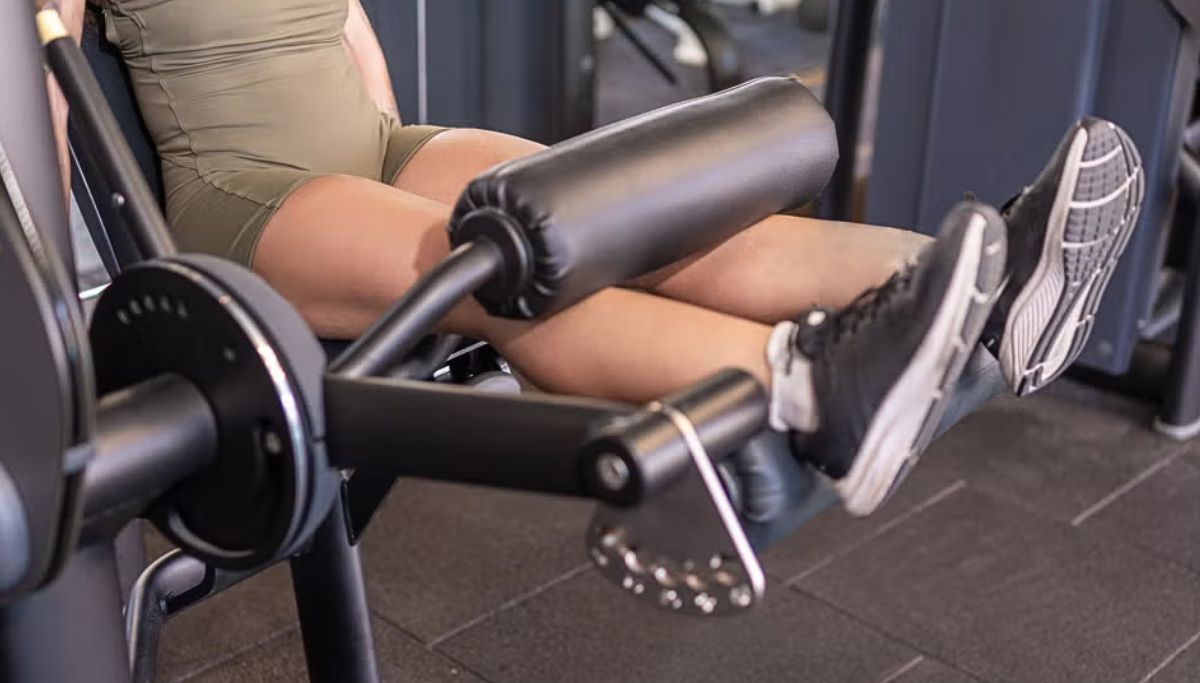
Why it works: Using gym equipment — where you’re simply pulling down a weighted bar at the back of your calves — is one way to perform a hamstring curl, though Carson recommends practicing this move on a seated curl machine rather than a prone hamstring curl machine. “When you lay on your quads, you’re essentially smashing them, and in response they fire to protect; when the quad is actively firing, it inhibits hamstring function.”
How to do it:
- Sit at a seated curl machine, with calves over the pads about at hip height.
- Keeping core engaged and spine neutral, press down on the padding to bend the knees and lower with control.
- Pause, then slowly extend legs again.
- Repeat for 6-10 reps.
2. Double-Leg Stability Ball Hamstring Curls
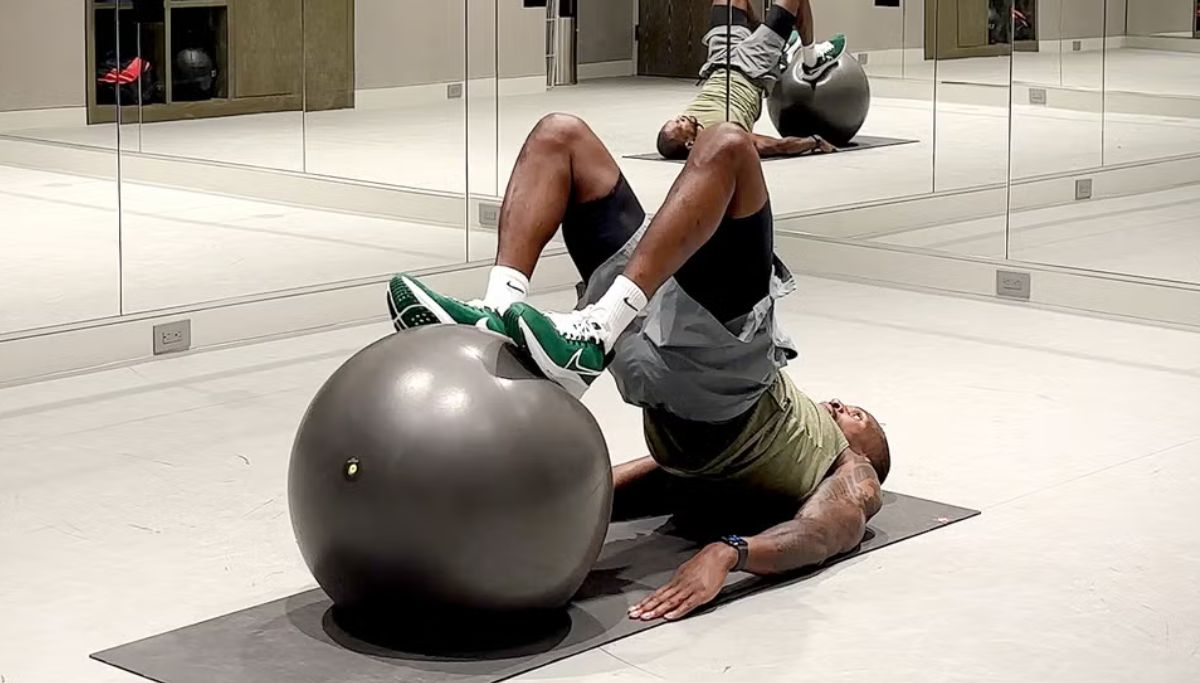
Why it works: Doing hamstring curls with a stability ball allows freedom of movement through the quad, and you can do a hip drive variation — where your hips are high and flat with a neutral pelvis at the top, engaging your core and glutes for an extra challenge — as well as the more standard version, where your hips are lower and you’re focusing down on bending the knee to work primarily the hamstrings.
This move is a favourite of Carson’s. “I actively use one hamstring curl throughout the entire year with all levels of cyclists and triathletes, and it’s the stability ball hamstring curl from the floor, facing up. That’s my favourite,” she says.
How to do it:
- To do this move, lie faceup while resting the backs of calves and heels on top of a stability ball. Arms down at sides with palms on the floor to keep you balanced.
- Lift hips up slightly, engaging glutes. Legs straight with just a slight bend in knees.
- Draw heels in toward glutes while lifting hips higher.
- Pause, then slowly straighten legs again and lower hips.
- Repeat for 6-10 reps.
3. Single-Leg Stability Ball Hamstring Curls
Why it works: After you conquer the two-leg variation with the stability ball, it’s time to level it up with a single-leg variation that requires more stability and helps address imbalances from side to side. “This one is really challenging and fun,” says Carson. “People laugh when they do it because it’s tricky, but it’s also a great exercise.”
How to do it:
- Perform the same move as the double-leg stability ball hamstring curl, only this time, use just one leg on the ball while keeping the other foot planted on the ground or lifted so knee stays over hip and foot off the ball.
4. Standing Hamstring Curl
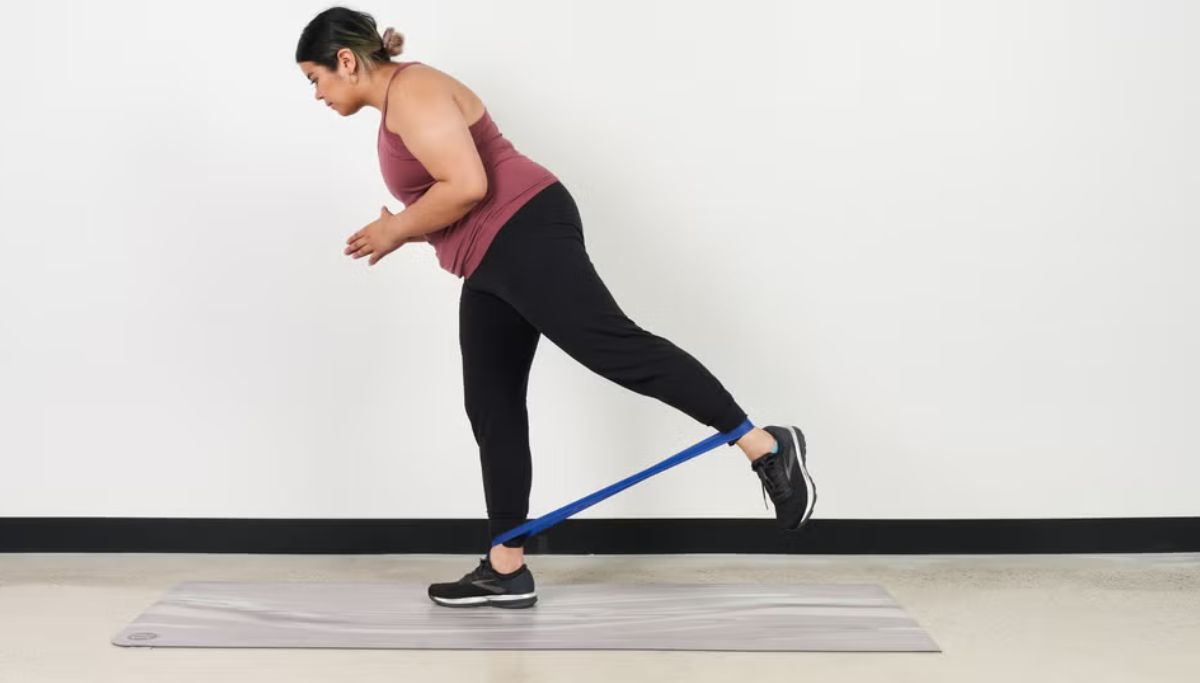
Why it works: Carson enjoys this exercise because it still incorporates the “off” leg (the non-moving leg) even while the other leg is flexing. “This is a good variation for stability, and stability is really advantageous for cycling when it comes to applying force into the pedal,” she says. “So you get this beautiful trickle-down effect to the off leg, as well as the isolation and focus on the hamstrings from a standing curl.”
How to do it:
- Stand with feet hip-width apart. (Place a band around the ankles for an added challenge.) Place hands on hips.
- Lean slightly forward at the ankles, and transfer weight to right leg. Lift left foot slightly behind you and flex foot. This is the starting position.
- Pull heel up toward glutes, bending knee.
- Slowly straighten left leg.
- Repeat for 6-10 reps.
- Then switch sides.
5. Nordic Hamstring Curl
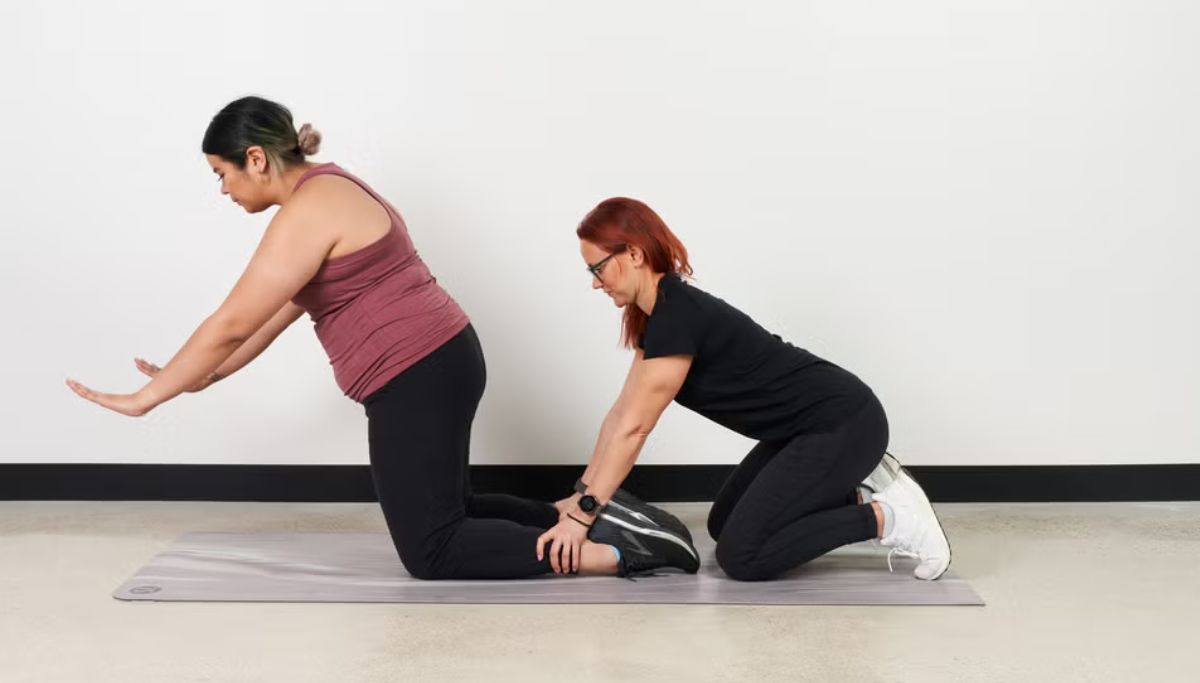
Why it works: Because this variation is more of a challenge, Carson recommends trying it in the off season when possible muscle strain is less of a concern. “Consider this move when you’re looking for a more advanced challenge,” she says. “It’s intense, but it’s a cool exercise to try out once you’ve been doing hamstring curls for a while.”
How to do it:
- Start kneeling with feet secured by a partner or under a weight. Maintain a straight line from head to knees (you can have a slight bend in hips).
- Lower torso towards the ground as far as you can using only upper legs, then use hands to catch yourself on the floor.
- Squeeze glutes and hamstrings to pull body back, shoulders over hips (use hands to help initiate the upward movement if needed).
- Repeat.
This article first appeared on bicycling.com
READ MORE ON: hamstrings strength training workout