Zone 2 Training Can Make You Faster and Healthier — If You Stop Making These Common Mistakes
Zone 2 isn’t just “easy.” Here’s how to nail the effort for better fitness and health.
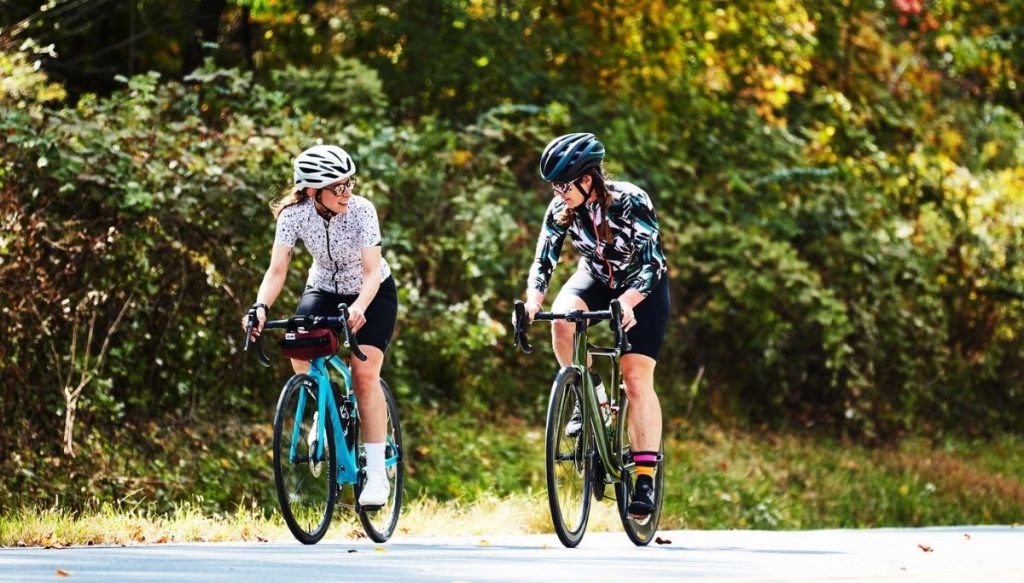
I am as guilty as any cyclist for blowing a zone 2 training ride to go full gas to catch up to a cyclist I see up ahead, working to keep up with a group that I shouldn’t be that day, or even just trying to PR favourite local segments. Our lunch ride is notorious for these unexpected hammer sessions, but building zone 2 develops a base for training that those all-out watt fests do not.
Zone 2 is different for everyone. The most important thing is to pay attention to your own effort to make sure you’re hitting the right intensity.
For a long time I considered zone 2 to simply be a conversational pace, but more specifically it’s the aerobic zone. This is a pace that some riders call an all-day pace, but it should be a step up from zone one to have the intended effects.
It can be challenging to perfect this sweet spot, but we have the tricks to help you keep it between the lines. From tech tips to feeling it out, we have what you need to get the most out of zone 2 training this year.
The Benefits of Zone 2 Training
Considered the leading global expert on all things zone 2, Iñigo San Millán, Ph.D., has spent three decades studying the effects of training in this aerobic zone. The former cyclist has worked with clinical populations dealing with diabetes, and he’s working with the upper echelon of the cycling world.
When he spoke to Bicycling a while back, he was in the middle of a rainstorm in France after chasing Tadej Pogačar up a Tour de France climb. “Let’s be clear,” he joked. “A normal person would be in zone 5 trying to keep up with Pogačar in his zone 2.”
That’s the just beginning of the nuances around this aerobic zone that’s gotten so much press coverage in recent years. (This fact bemuses San Millán, as someone who spent decades toiling away in labs and in the field on this work before it went viral.)
Before we get into the how to do zone 2 training, let’s briefly dig into the science side, which explains why it’s so important.
San Millán’s original interest in zone 2 came when he realised that optimal cellular mitochondrial function (the powerhouse of our cells) is key for both health and performance.
While you can’t see your mitochondria making moves when you exercise, you can feel how well your muscles clear lactate that’s produced by more intense exercise. “When you don’t clear lactate correctly, it builds up in the blood, and that’s a sign that your mitochondria are not keeping up very well,” says San Millán.
He started to notice that training more in the aerobic-based zone 2 — the zone where the body produces lactate but is able to clear it equally quickly — allowed athletes to better clear the lactate from their muscles when they did increase their intensity and lactate production. Essentially, training at this lower intensity allowed them to train harder at higher intensities.
The same effect applies to pro athletes and recreational cyclists: Training that aerobic zone where the body is burning fat rather than glycogen improves both performance and health outcomes, thanks to how it improves mitochondrial function.
What makes zone 2 training particularly interesting is that it’s one of the few training stimuli that’s as good for health and longevity as it is for performance. San Millán’s research has found that many clinical populations — those with certain cancers, type 2 diabetes, and other metabolic diseases — have significant mitochondrial dysfunction.
While exercise alone isn’t a cure-all, San Millán found that adding a protocol of zone 2-based exercise led to significant health improvements for those populations. Meanwhile, it also makes top pros like Pogačar get up hills faster.
Misconceptions About Zone 2 Training
Because it’s become so popular, there are many misconceptions around zone 2 training.
For starters, there’s the question of “what is zone 2?” Most people will say it’s all-day pace, conversational pace, or refer to it as LSD (long slow distance). But often, the pace you’re riding at in zone 2 is a bit harder than you may think. “You should be able to hold a conversation,” says San Millán. “But it shouldn’t be easy to do so. If it’s easy to chat, that’s more zone 1 recovery versus zone 2.”
It’s also not that slow. Again, see Pogačar’s “all-day pace,” which is likely faster than most of us could do on our best threshold testing day.
On the flip side, popular health and wellness blogs that have honed in on zone 2 will talk about walking as a great way to get in some zone 2 exercise. That may work for someone who doesn’t regularly exercise, but if you are training regularly, you’ll need to make that walk pretty brisk in order to move from zone 1 training into zone 2.
In other words: Zone 2 is different for everyone. The most important thing is to pay attention to your own effort to make sure you’re hitting the right intensity.
Also, if you got interested in zone 2 for health reasons, you may think that it’s all that you ever need to do. However, San Millán is quick to point out that while it’s the building block for cyclists, you do still need to do intervals and harder efforts if you want to make gains in your cycling. After all, if you never go hard, why did you bother improving that mitochondrial function that allows you to push the intensity in the first place?
While zone 2 trains you to be efficient at burning fat, once you get above that zone, you start burning glucose for fuel — and that’s something you need to train your body for, rather than hoping that on race day, you’ll magically be really good at going hard after training solely in zone 2.
How to Find Your Zone 2 Pace
The ultimate test for finding your zone 2 pace is a lactate test, because zone 2 is where your body is clearing the lactate you produce during exercise, not letting it accumulate.
While in an ideal universe, San Millán would send you to a lab for lactate testing in order to find your zone 2 pace, you can also base it off of your functional threshold power or heart rate.
However, San Millán believes that FTP tests aren’t a perfect power-setting option when it comes to zone 2. Use that as a starting point, but make sure the power or heart rate matches up with the correct feeling: Your zone 2 pace should be sustainable for a few hours, and you should be able to hold a conversation, though it shouldn’t feel easy to do so.
Kristen Legan, a gravel cycling coach, knows a thing or two about spending a lot of time in zone 2. When you’re training for races, most of your time is spent in the aerobic zone, though as with racers like Pogačar, she does need to spend some time going really freaking fast.
She says that even if you aren’t riding for six hours, it should feel like you could if you wanted to. “Zone 2 is the pace that you can sustain for a really long time — as long as you’re eating and drinking!” says Legan. (Often, the reason zone 2 starts to feel harder as the ride gets longer is fuel-based, not leg- or lung-based.)
However, while this sounds like the ride should be easy, don’t confuse conversational with “easy pace.” “Zone 1 is a recovery or easy ride,” says Legan. “In these rides, you’re in easy gears, you’re really relaxed, and the goal is just getting your body moving. It’s not about pressure on the pedals. Zone 2 is a bit harder than that.”
This article first appeared on bicycling.com
READ MORE ON: expert advice fitness zone 2 training