
The Avinox Effect: How One Motor Is Changing E-MTBs
Chinese drone maker DJI has thrown a grenade into the e-bike market with its lightweight and supremely powerful Avinox motor. We tested the system in the brand-new Outer Alterra – a locally designed ripper, and the first Avinox-equipped e-bike in South Africa.
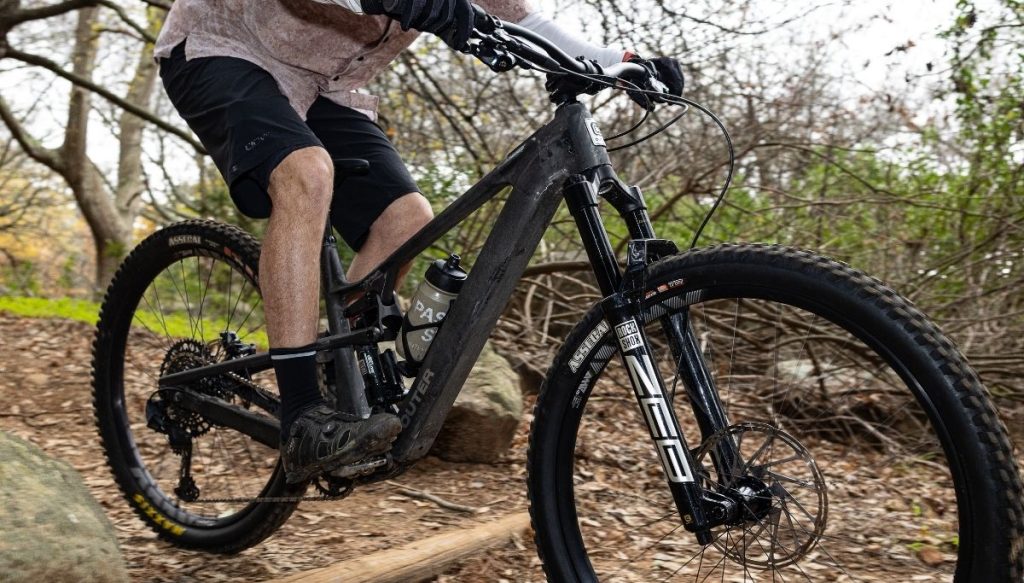
It’s a Thursday, and I’m riding my normal weekday route up Devil’s Peak to the King’s Blockhouse in Cape Town; a jeep-track climb that normally takes me about an hour on my Trek Top Fuel.
Actually, I’m not riding – I’m flying. I’m on Outer Cycle’s prototype Alterra, fitted with the latest Avinox M2S motor; and just for fun, I dialled it up to max for a 60-second boost. The power delivery is unlike anything I’ve ever experienced on an e-bike. It seems bottomless, and it’s brutally efficient – but also gentle, like a massive wave in the ocean, lifting and pushing.
“I’m going so fast that I’m railing corners as if I’m going downhill. But I’m going uphill.”
No matter how hard I turn the cranks, the power just keeps coming. I’m going so fast that I’m railing corners as if I’m going downhill. But I’m going uphill. It’s a lot for my analogue cycling brain to take in!
Since Avinox arrived on the e-bike scene, seemingly out of nowhere, the brand has shaken the market to its core. Built by Chinese drone manufacturer DJI, the M2S motor is so light, powerful and refined that it’s humbling all of the biggest names in the business: Bosch, Shimano, Specialized, Yamaha…
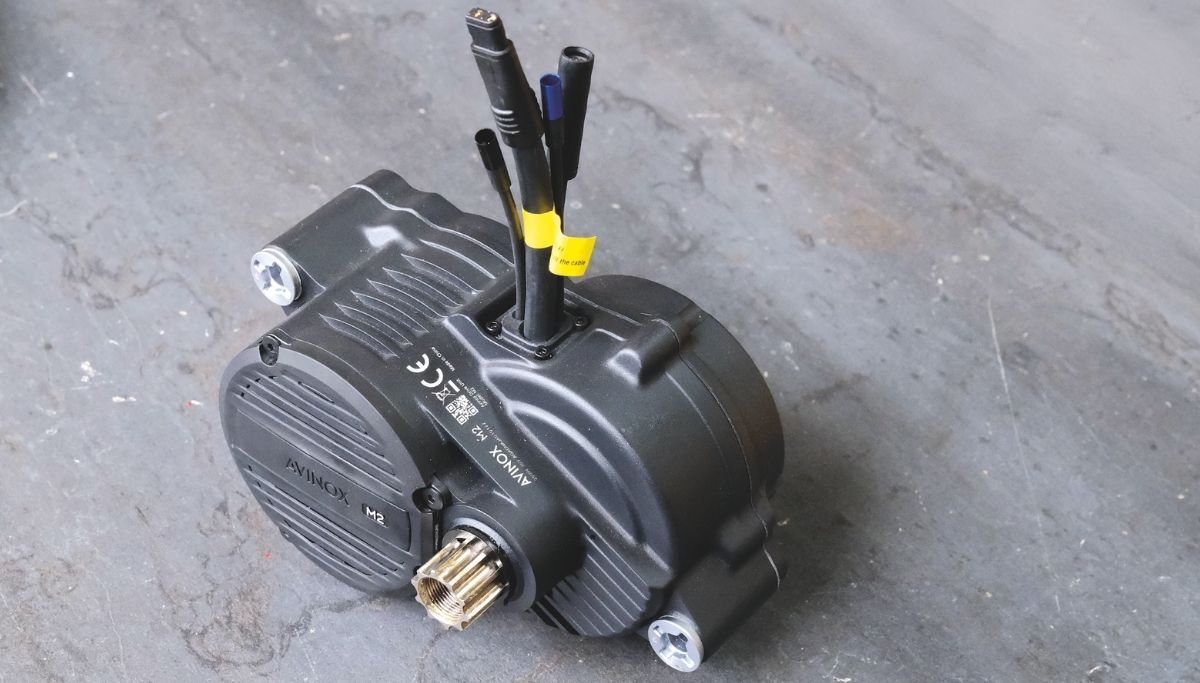
How did a company known for making flying gadgets suddenly come up with an e-bike motor – and not just any motor, but the best motor?
The answer is less complicated than you might think. As Senior Test Editor Matt Phillips writes in Bicycling US: “DJI didn’t enter this space empty-handed. The company’s core strengths – smart batteries, efficient brushless motors and sophisticated control software – map almost perfectly onto what makes a modern e-bike drive unit great. DJI was an early adopter of batteries with integrated management electronics, and its drone and gimbal motors already rely on the kind of rapid, high-precision sensor data an e-MTB system needs.”
The headline feature of the M2S is its peak power output of 1 500W. Max torque is 130Nm in normal assist modes, and a bonkers 150Nm in boost mode, which you can activate for up to 60 seconds. All of that in a unit that weighs just 2.6kg.
To put those figures in perspective, the motor in the latest Specialized Turbo Levo 4 delivers 850W of peak power, max torque of 111Nm, and it weighs 3.2kg. The Avinox is 76% more powerful, delivers 35% more torque, and is nearly 20% lighter.
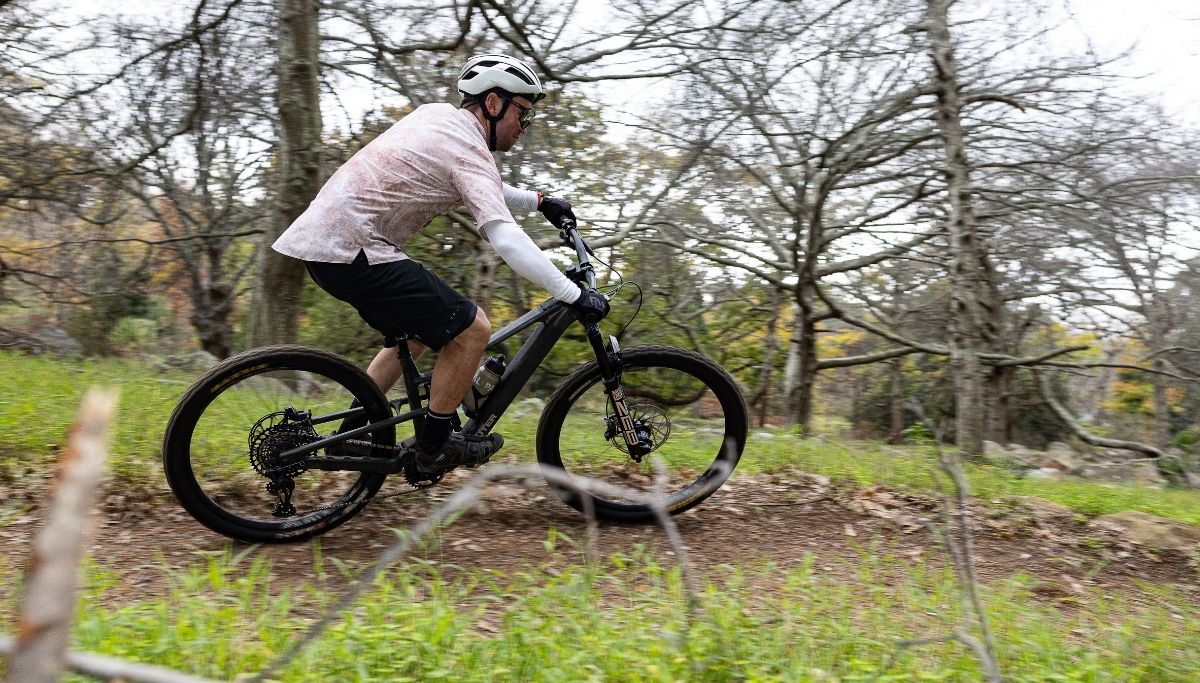
Of course, all that power is pointless if it can’t be controlled. Sadly for its competitors, the Avinox is the best in this department, too. It’s quiet and smooth, and it has the most expansive feature set of any motor on the market, with advanced software and an interface design that seems lifted from one of DJI’s most premium drones.
It’s the same story if you compare batteries. The 800Wh Avinox battery weighs 3.7kg, whereas the (admittedly slightly more powerful) 840Wh battery in the Levo weighs 4.4kg. Packing so much energy into a noticeably smaller and lighter battery allows for bikes with slimmer down tubes and much lower overall weight – you’re looking at around 20kg for an Avinox-equipped bike, versus 25kg or more for a full-power bike with a motor and battery combo from one of the other brands.
This kind of weight saving unlocks significant handling and ride-feel benefits; the kind previously reserved for so-called ‘lightweight’ e-bikes that offered much less pedal assistance.
So, why don’t all new e-bikes have Avinox motors?
Anyone who has ever ridden an e-bike will tell you that the motor and battery are only two parts of a much bigger story. As with an analogue bike, the suspension design, geometry and component choice are just as integral to the bike’s rideability and handling.
And here’s where the legacy brands still have the upper hand: the latest e-bikes from the likes of Giant, Trek, Specialized and Scott are all exceptional as bikes – supple, fast and forgiving – even if their motors are not as potent as the Avinox. All of those legacy brands also have long-standing relationships with their chosen motor partners, and expensive frame moulds built around motor and battery dimensions and brand-specific functionality.
DJI had the motor, but they didn’t have a bike, so they did what the Chinese do best: they conjured one out of thin air, creating an entirely new brand called Amflow. There are currently four bikes in the Amflow range and they’re available in Europe and the US, but not officially in South Africa.
Industry insiders suggest that Amflow – the actual bike – might just be a way to showcase the Avinox drive system; it might not be a long-term project. As then-DJI product experience director Ferdinand Wolf (now at Avinox) explained in an interview with Bike Europe, DJI launched Amflow as a way to prove the motor technology to riders, and to convince other brands to spec it. Asked how DJI planned to convince OEMs, Wolf said, “Just give them an Amflow, and let them experience it.”
Enter Outer
While all of that was going on internationally, local Capetonian bike designer Dayle Holmes was thinking about how to update his excellent debut e-bike, which he launched a few years ago under the Outer Cycles brand, the sister company of his other business, Lyne Components. Called The Link, it was a hard-charging, alu-framed trail bike with a Shimano Steps motor.
But Shimano was updating its technology too slowly for Holmes’ liking, and he started looking at alternatives for the new carbon-frame e-bike he was developing. “We went quite far down the road with another motor brand,” he says. “But I’d been reading about Avinox, and I mentioned it to my business partner in the East. By chance, he met the Avinox guys at a trade show, which led to more meetings.
“We sent them everything – the design for the new bike, media about the previous bike… They seemed to like the idea that we could get them good traction in the South African market, and they agreed to come on board. I went straight back into CAD for two months, redesigning the frame.”
The result is one heck of a bike – a true blend of the Avinox technology with a deep understanding of suspension, geometry and local riding conditions.
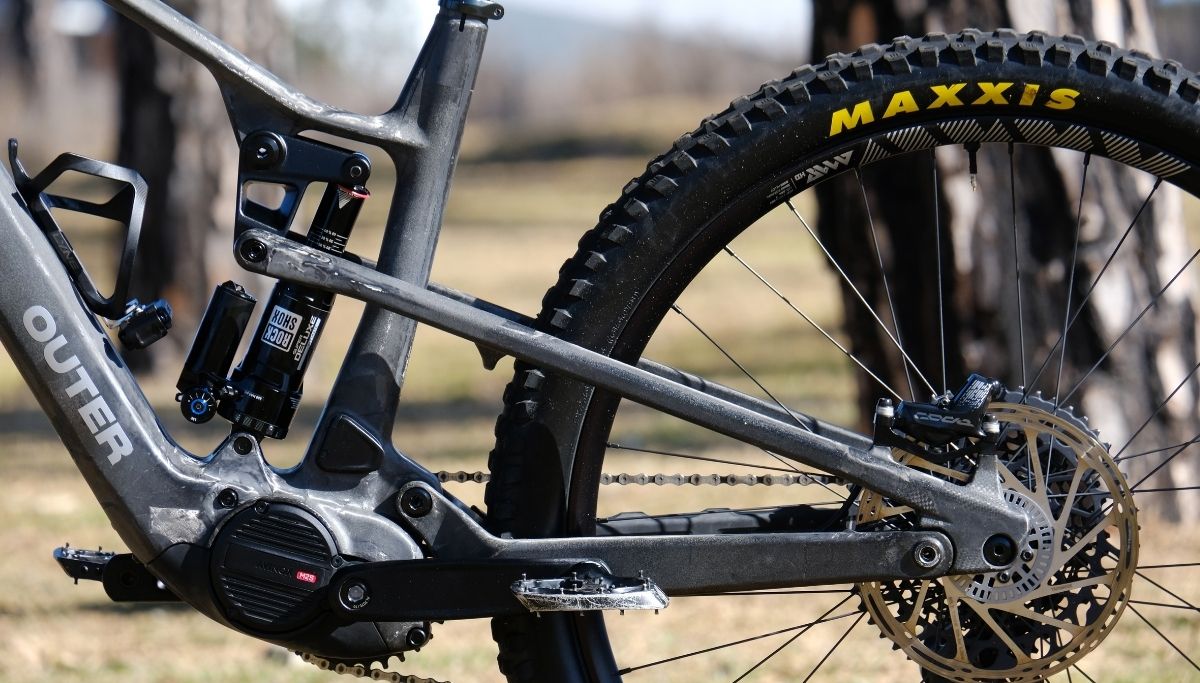
There’s 150mm of rear suspension travel, achieved using a unique four-bar layout that gives the frame a distinctive look, and a 160mm fork. The Alterra uses a mullet set-up – a smaller 27.5-inch rear wheel with a 29-inch front wheel – but Outer hasn’t gone overboard in other departments, with super-slack angles or extreme reach numbers, for example.
Instead, they’ve taken a modern trail/enduro template and made small tweaks to work with the extraordinary Avinox motor; like lengthening the chain stays a smidge (which also increases the overall wheelbase) for better climbing traction, and slightly raising the bottom bracket to minimise pedal strikes.
The Alterra does indeed climb like a bike possessed – not just up jeep tracks, where you can send 20% inclines at 45km/h, but also up technical sections in lower power modes. Once you’re in the right gear, at the right power setting, you can pedal at almost any obstacle knowing that the motor will give you all the momentum you need to get up, over or around it.
And when you reach the top of the climb (far quicker than you ever thought possible), the bike descends with equal confidence. The suspension travel hits the sweet spot for a trail bike – you can attack big rocky drops and step-downs without worrying about bottoming out, but it’s also comfortable and nimble enough for a whole day of XC-style riding across varied terrain.
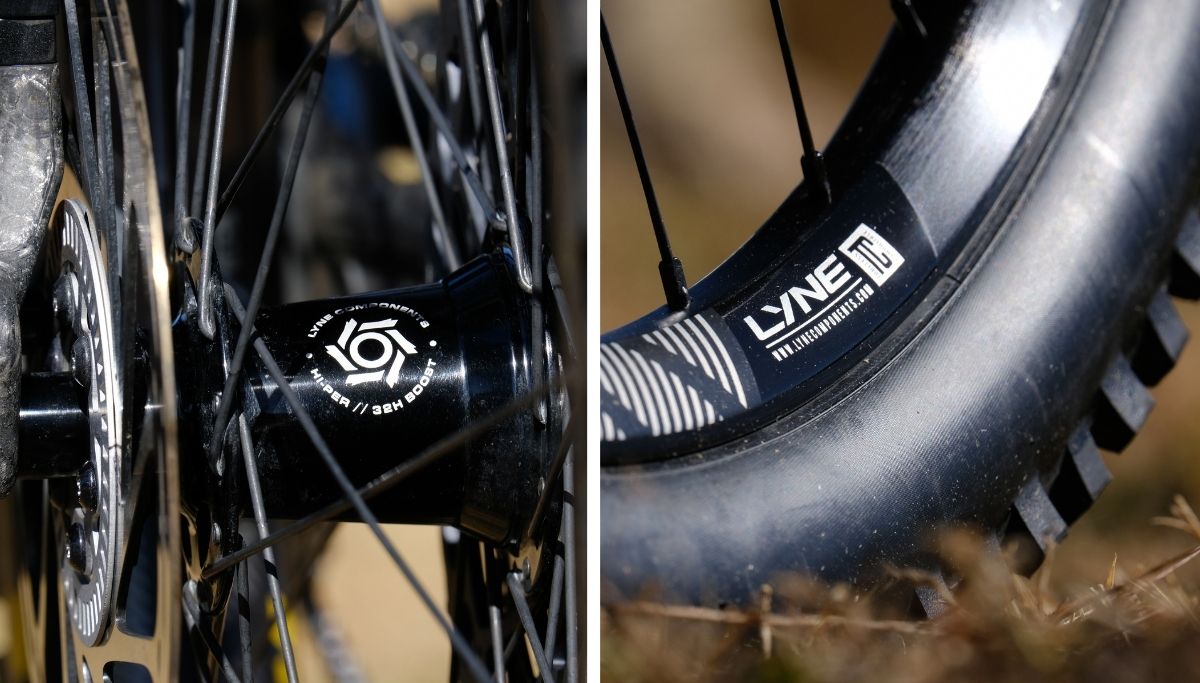
The prototype I tested had a mish-mash of drivetrain and suspension parts. The production version will come in three variants: a base model for just over R100k with mechanical shifting and the slightly less-powerful Avinox M2 motor; and two models with electronic shifting and the M2S motor.
The electronic-shifting models, in particular, will be beautifully integrated into the Avinox ecosystem. The SRAM derailleur will be linked to the controller and will charge when you plug in the bike; and you’ll be able to link a compatible light, which will also charge via the main port – great if you regularly ride in the dark.
The Avinox interface is brilliant. It’ll take you a few minutes to find your way around the full-colour touchscreen display and extensive menu system; but once you’ve worked it out, customising the bike is easy and fun. The app is just as user-friendly.
And there are amazing features that you just don’t find on other e-bikes: you can install a SIM card for live tracking and navigation features; you can connect to a DJI action camera like the Osmo; you can dial up the maximum speed from the default 35km/h to 45km/h at the push of a button; there’s a hill start assist mode, which provides a short torque burst to get you started on a steep gradient; you can shift without pedalling if you have a wireless derailleur… the list goes on.
Obviously, with great power comes great responsibility. If you run the bike at full wattage, as exhilarating as it is, you’ll deplete the battery fairly quickly. If you’re more moderate with your choice of riding modes, however, the range of the bike is comparable to any other top-end e-bike.
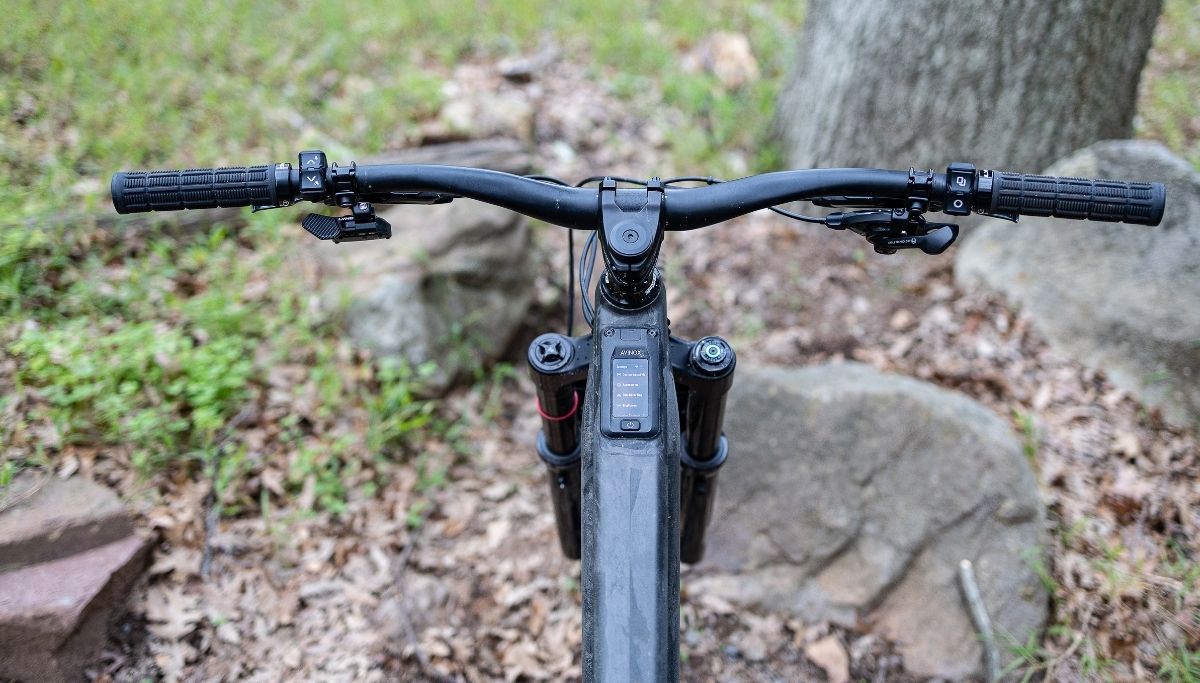
Basically, the Alterra is an e-bike that doesn’t limit you in any way. At around 20kg for the flagship CF1 model, it weighs about the same as a dedicated ‘lightweight’ e-bike, like the Trek Fuel EXe, but with three times the torque and five times the peak power. You can ride it all day in Eco mode; or go full maniac in Turbo, but without any of the bulk or clunkiness that previously defined wildly powerful e-bikes.
For curious thread-watchers who have been tracking the rise of DJI and Avinox, the arrival of the Alterra is a very exciting moment in South Africa, because it finally gives local riders the option of a top-class mountain bike with the best motor and battery tech, at a competitive price and designed right here, for the trails you love to ride.
According to Holmes, the first bikes landing in September have all been pre-sold, and the full consignment should be hitting our shores next January.
Start saving.
The Alterra Range
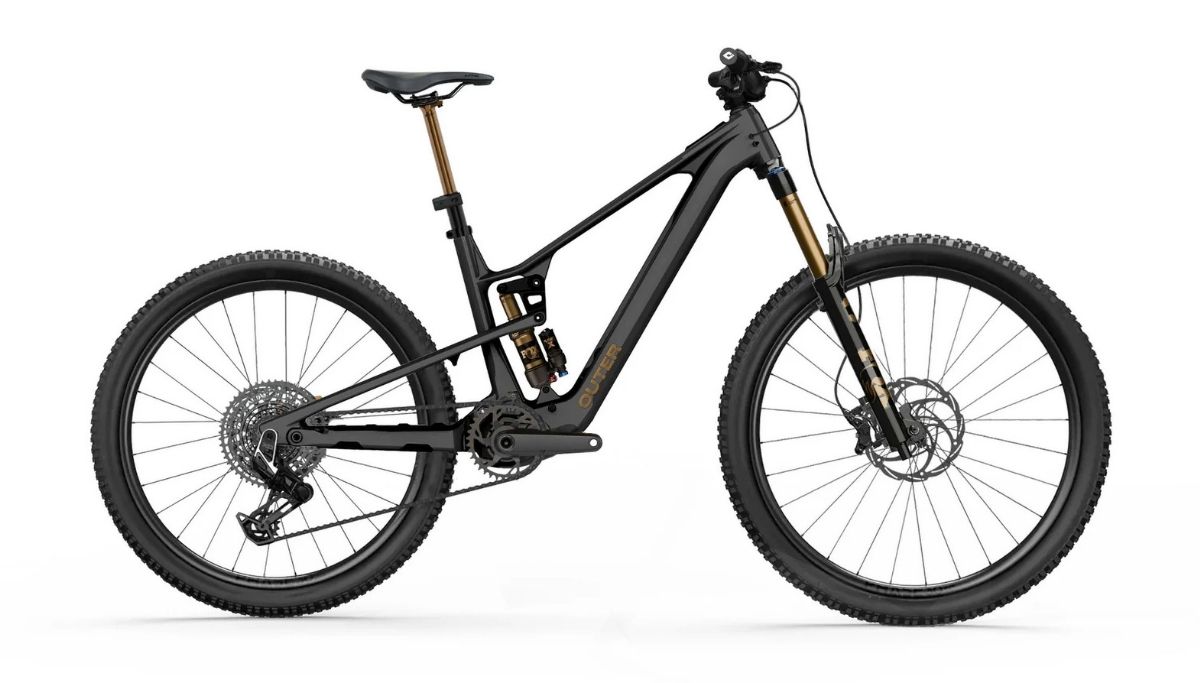 ALTERRA CF1
Estimated retail R185 000
Frame: Carbon, 150mm travel, UDH hanger
Suspension: Fox 36 Factory 160mm fork; Fox Float X Factory shock
Drivetrain: SRAM X0 Eagle Transmission derailleur, AXS Pod shifter, 10-52t cassette, 36t chain ring
Cranks: e*thirteen Helix Race, 160mm
Brakes: Shimano XTR 4-piston
Dropper post: Fox Transfer Neo, wireless
Wheels: Lyne AMP carbon
Tyres: Maxxis Assegai (front), Maxxis Dissector (rear)
Motor: Avinox M2S
Battery: Avinox 800Wh integrated
Weight: About 20kg
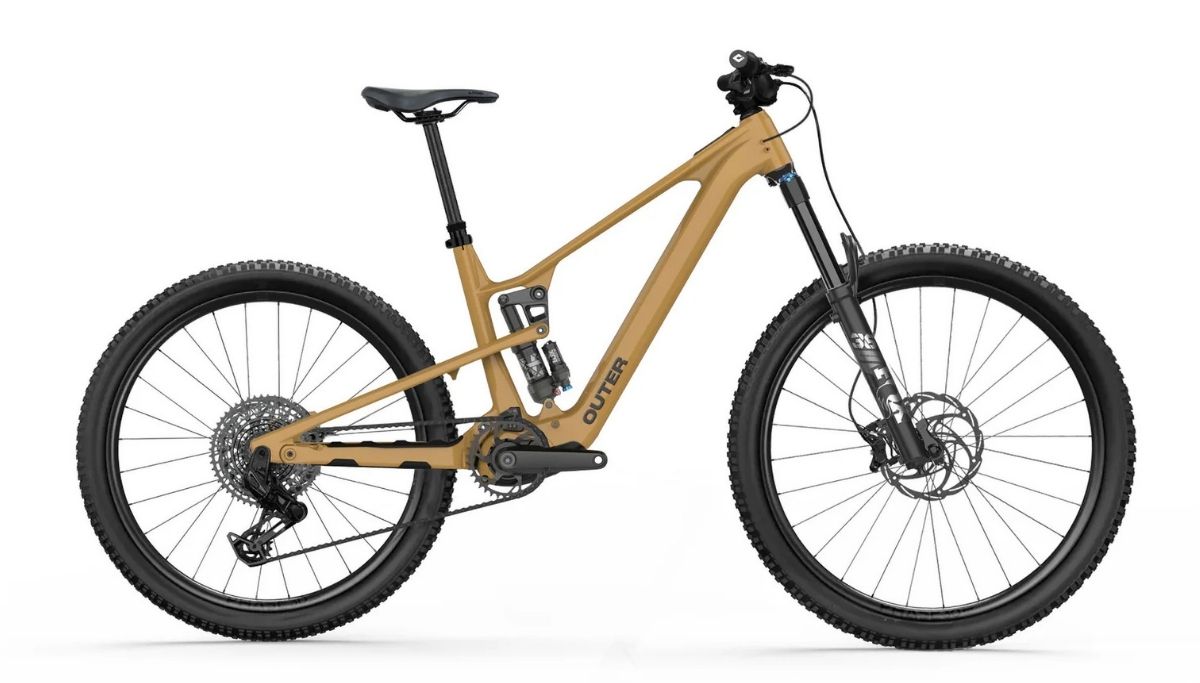
ALTERRA CF2
Estimated retail R145 000
Frame: Carbon, 150mm travel, UDH hanger
Suspension: Fox 36 Performance 160mm fork; Fox Float X Performance shock
Drivetrain: SRAM S1000 Eagle Transmission derailleur, AXS Pod shifter, 10-52t cassette, 36t chain ring
Cranks: e*thirteen Helix Core, 160mm
Brakes: Shimano XT 4-piston
Dropper post: Lyne Contour
Wheels: Lyne AMP alloy
Tyres: Maxxis Assegai (front), Maxxis Dissector (rear)
Motor: Avinox M2S
Battery: Avinox 800Wh integrated
Weight: About 22kg
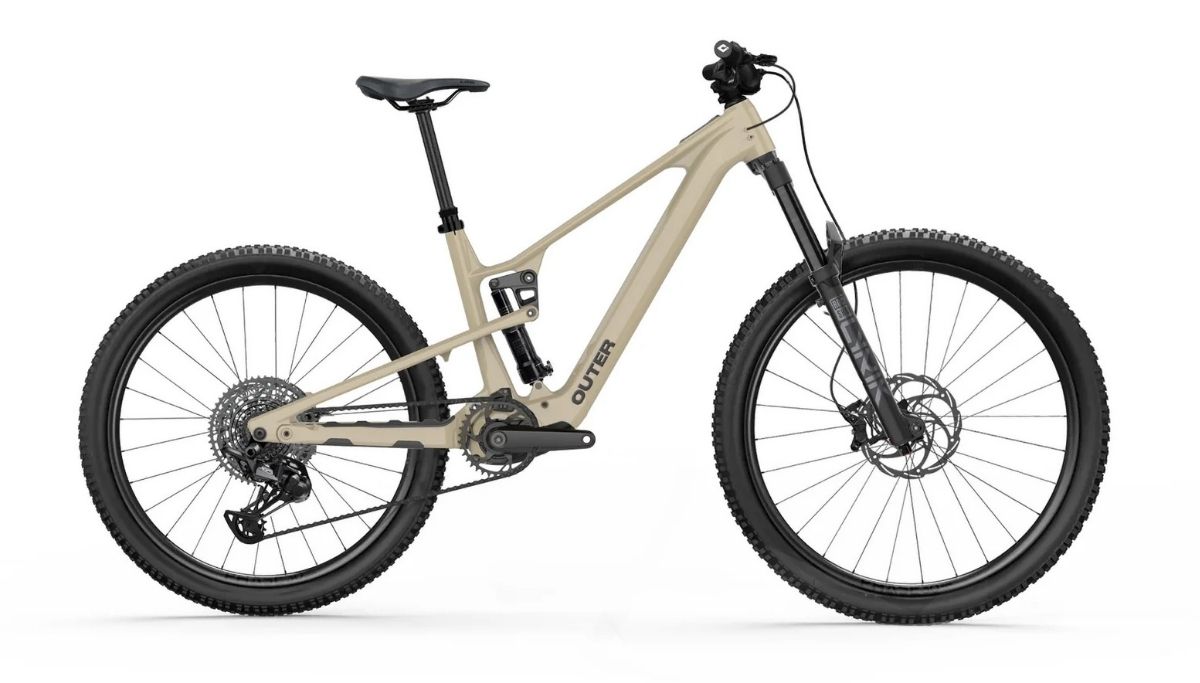
ALTERRA CF3
Estimated retail R105 000
Frame: Carbon, 150mm travel, UDH hanger
Suspension: RockShox Lyrik 160mm fork; RockShox Deluxe Select+ shock
Drivetrain: Shimano XT derailleur, Deore shifter, 10-51t cassette, 36t chain ring
Cranks: e*thirteen Helix Core, 160mm
Brakes: Shimano Deore 4-piston
Dropper post: Lyne Contour
Wheels: Lyne AMP alloy
Tyres: Maxxis Assegai (front), Maxxis Dissector (rear)
Motor: Avinox M2
Battery: Avinox 800Wh integrated
Weight: About 22kg