
Bikepacking Guide: Everything You Need to Know for Your First Adventure
Ready to try bikepacking? Learn the basics, get expert packing tips, and find out how to plan your first cycling adventure - no experience necessary!
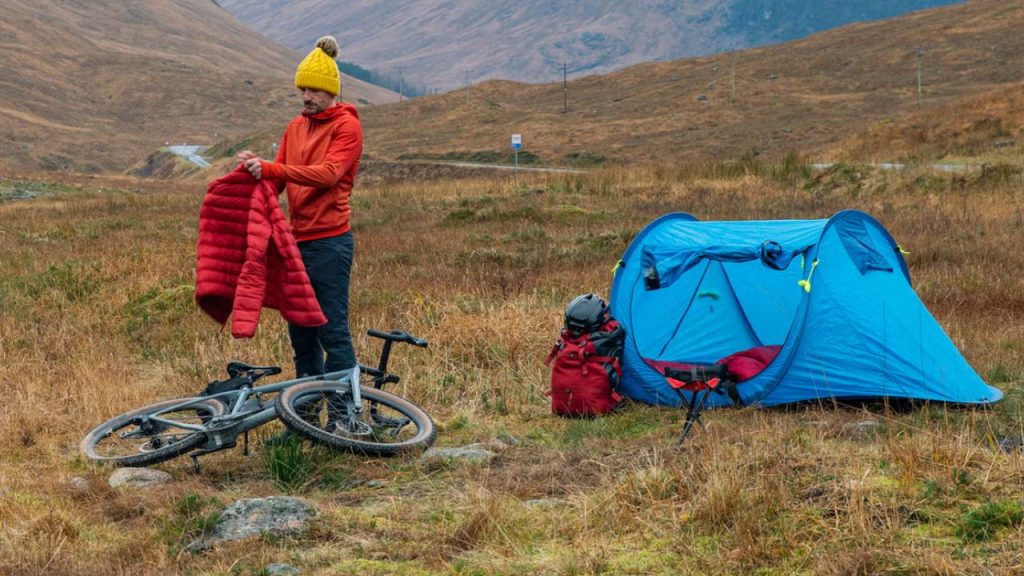
Bike-packing essentially combines biking and backpacking, and this choose-your-own-adventure can range from a remote mountain-bike excursion to a gravel-riding week of 100-km days to cruising on a road bike with nothing but a credit card in your cycling jersey pockets.
When it comes to bikepacking, there aren’t many rules – and that not only applies to the bike you ride and the ground you cover, but also to the places you stay along the way. You can plan to stay in hotels along your route or camp on roadsides, stop for two nights or two months, load down with lots of gear or just have a single extra-large bar bag. It’s all considered bikepacking and that’s the beauty of it.
Even the pros get in on the bikepacking fun. In 2020, professional road and cyclocross racers Coryn Rivera and Kaitie Keough went on a bikepacking excursion for Rivera’s bachelorette. For a few chunks of the trip, fellow pro riders Alison Tetrick and Justin Williams joined them.
“I want people to fall in love with the bikepacking community, and not feel like it has to be this culture and specific way things need to be done for it to count.”
Similarly, Ene Underwood and Brooklyn Smith are former weekend race warriors who traded start lines for tiny tents. Smith still uses bikepacking as a chance to race while Underwood bikepacks for quiet time away from her corporate 9-to-5.
“I want people to fall in love with the bikepacking community, and not feel like it has to be this culture and specific way things need to be done for it to count,’” says Joe Cruz, a philosophy professor and a veteran bikepacker.
All of these bikepackers allowed Bicycling to pick their brains about what you should know about bikepacking – from safety concerns to picking the right pack for your riding style.
RELATED: What to Consider When Buying Gravel Tyres
Plan Your Bikepacking Route
Unlike a casual day of riding, bikepacking requires detailed planning. The more remote the trip, the more you need to ensure that at the end of a day’s ride, you will be warm, dry, and well-fed.
Cruz says that when he plans a route, he spends much time first with a paper map, then on satellite and online street views to find the perfect roads. “I share routes online, but I don’t tell people what time of year to go, and I leave out some suggestions of stop options,” he says.
To assess a route, make sure you read up on the terrain – gravel is harder to ride and takes longer than smooth roads – and elevation. A flat 80km of road is very different than a 80km mountain traverse on singletrack!
Smith makes a spreadsheet that includes a timetable, exact food and water stops, and gear needed, especially in regard to weather. On the flip side, Underwood has a general packing list she uses for trips, but after each excursion, she revisits and refines based on her recent experience.
Before leaving, check the forecast, as well as the GPS file with your itinerary, and always respect the conditions.
Pack for the Trip You’re Taking
Both Rivera and Cruz noted that you’ll want to pack differently, depending on what kind of bikepacking trip you’re planning.
Not planning to stop in towns along the way? You can get away with few casual clothes. Staying at Airbnbs and hotels? Your toiletries kit can consist of just toothpaste and a toothbrush.
If you are camping, Underwood recommends splurging on a bikepacking-specific tent if you’re going to be camping regularly, because the design and sizing mean you can pack the tent poles and everything else down into bike bags.
Underwood’s big indulgence? She brings a tiny, lightweight camp chair because “after a long day on the bike, it’s nice to sit down and have proper back support,” she says.
The other important piece is what you’ll wear off the bike: “Having something warm and dry to change into at the end of the day is critical, especially if it’s cooler at night,” says Underwood. Pack your casual clothes in a waterproof bag and protect them at all costs.
Finally, if you’re planning to stop anywhere in town for meals, a restock on necessities, or for sleeping, a bike lock is an important piece of gear that’s easy to forget.
Consider Your Bike-packing Baggage
At first Keough thought she could get away with borrowing her dad’s bulky bag for the back of her bike to carry clothing and other necessities. Then she realized Rivera and the other pro racers on their bikepacking excursion weren’t planning on a leisurely pace; she knew a bulky bag was going to drag her down.
“On day two, I posted the old bag home and got a new, lighter, smaller bag,” she admits. Panniers might be optimal for someone attempting a slower-paced long trip – which Underwood prefers – but if you’re hoping to go quickly or hit singletrack along the way, Cruz recommends upgrading to soft packs that attach to your seat, handlebars, and even the frame.
Try before you buy, if possible. If you’re new to bikepacking, don’t drop money on a bikepacking setup before trying it at least once. It’s better to know exactly what style of bags you love so that you can buy high-quality ones, versus opting for the cheapest ones available.
RELATED: REVIEWED: 4 Gravel Bikes for the Adventure-Seekers
Bike-pack Local(ish) to Start
Try a local trip first. Even in your own backyard, there’s plenty to explore: The gravel road you’ve never ridden, the secret singletrack, the long highway to nowhere. You can still adventure without taking a plane or bus to your starting destination.
If you’re new to bikepacking, try this fun trick that Smith does every time he gets new gear: Camp in your own backyard. He loads up his bike as he would for a normal trip, does a long ride with the fully packed bike, and then pitches his tent in his own backyard to test everything. This way, he knows how everything works before he rides somewhere remote.
Practice Bike-packing Safety
“If you are venturing into the deep wilderness on your own, it’s recommended to bring some sort of tracker system,” says Matt Kadey, dietician, longtime bikepacker, and Bicycling contributor, who is also working on a cross-country bikepacking route. “This way, if things go really sideways, emergency help is possible with the push of a button.”
It’s a good idea to share your route, location on your phone, and projected timeline with a trusted friend or spouse.
If you’re leaving a car at the trailhead or in a public parking lot, Underwood also recommends leaving a note on the windscreen with your contact info, an emergency contact, and your projected return date.
Of course, on-bike safety matters too! “Since many bikepacking routes also have to venture on some busy roads out of necessity, I believe it is a good idea to have a red blinking daylight on your bike, even if most of your trip is on empty gravel roads and trails,” says Kadey. “We tend to get too complacent on these types of trips but it is still important to be car aware.”
Be Prepared to Be Exhausted
Rivera and Keough both agree that bikepacking does, in a lot of ways, feel like a stage race. Sure, your average speed and effort while riding won’t be as high, but riding long distances while carrying all of your necessities does break your body down after a couple of days. Add in sleeping in tents or uncomfortable hotels, scavenging for petrol station snacks, and rinsing kits in bathroom sinks, and, let’s face it, bikepacking can be harder than a stage race.
“We weren’t riding super fast, but it was long day after long day for seven days in a row,” Keough says. “It was definitely a fitness-builder. And it was hard! But that said, if you’re excited and curious about what’s going to happen each day, it doesn’t feel as much like training or racing, it becomes a fun adventure.”
Make Sure to Fuel Up
“I actually do jaw training for bikepack-racing,” Smith admits. He chews gum constantly as he tries to prepare for the tremendous caloric load he’ll be expending and trying to balance on his longer race-effort rides.
On normal trips, he and Underwood are in perfect accord: Nothing beats an all-day breakfast for serious calories from a stack of pancakes, protein in a loaded omelette, and maybe a couple of slices of toast to stick in a bag for later.
You can also bring plenty of your own food, the way you would for a normal camping trip. For longer rides, maybe try to make sure you eat the occasional vegetable as well.
“Depending on the route and time of year, I’m a big fan of stopping by farm stalls where you can grab some fresh food that can be added to meals when on the go. This can certainly add a nutrition upgrade to the ultra-processed food that can dominate bikepacking trips,” says Kadey. “I typically make a batch of homemade energy balls that provide easy and delicious fuel when moving along. These tend to be a healthier option to help fuel a bike-packing trip than most packaged foods. I also almost always make my own power instant oats packets that consist of instant oats mixed with cinnamon, protein powder, seeds, and dried fruit. This provides a pretty nutritious start to the day and is better than most of the packaged instant stuff.”
When Bike-packing, Leave No Trace
Whether at a public campsite, in the country, or tucked in the woods doing the stealth camp thing, remember the golden rule of leave no trace.
As Underwood points out, make sure you pack out all your rubbish, hang your food at night to prevent rodents from making a mess, and generally be respectful of the land where you camp.
READ MORE ON: adventure bikepacking