
Push-Ups Can Be One of the Best Strength Moves for Cyclists With Back Pain (If You Do Them Right)
Build the strength and stability to support a better riding position and reduce strain on the neck and lower back with push-ups done right.
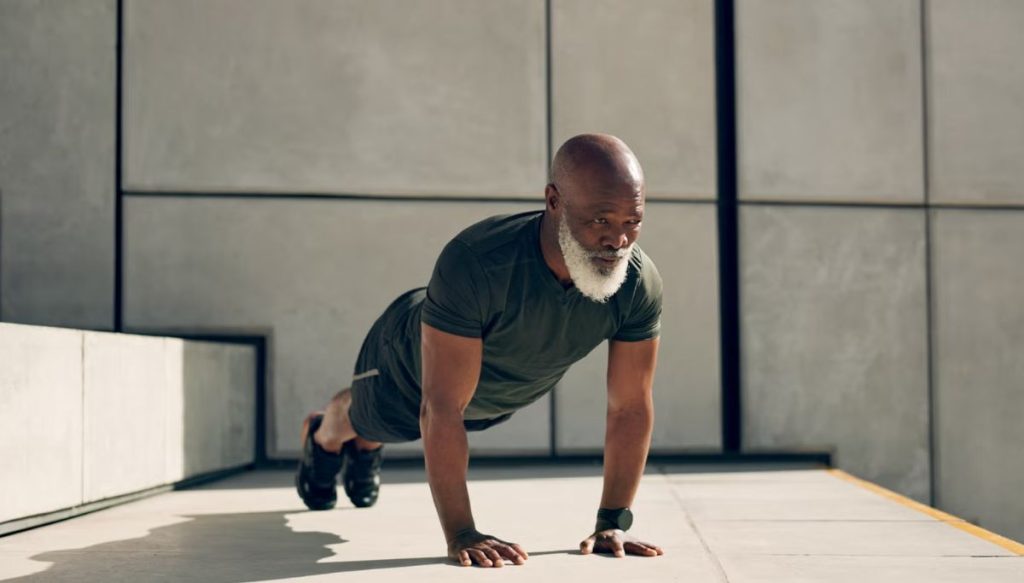
If you’re a cyclist dealing with back pain or hoping to prevent it altogether while also improving comfort and stability on the bike, few strength exercises deliver as much value as the push-up. When performed correctly, push-ups develop the upper-body strength, core strength that translates into trunk stability, and postural control that help you maintain a stable, efficient position on the bike.
What makes push-ups especially useful for cyclists is that they train full-body stability, not just pressing strength. A well-executed push-up teaches you to keep the spine, rib cage, and pelvis aligned while the shoulders move and the lower body stays engaged. In other words, it reinforces the ability to transfer force through the body without collapsing through the torso.
The goal isn’t to do more push-ups. It’s to do better push-ups.
That matters on the bike, where you’re asked to support your upper body through the hands, shoulders, and trunk for long stretches at a time in a flexed riding position. If you lack that stability, you’re more likely to sink into the handlebars and put too much pressure on the hands, flare the ribs, overextend the lower back, or let tension accumulate in the neck and shoulders.
Over time, those compensations can add up to the discomfort some riders feel on longer rides. Push-ups help address that by strengthening the muscles that support the shoulders, trunk, and spine, and by teaching you how to hold better alignment under load.
But push-ups only help if you do them with good form. If you’re cranking out sloppy reps with shrugged shoulders, a sagging low back, or your head jutting forward, you’re just reinforcing the same positions that can contribute to discomfort on the bike. The goal isn’t to do more push-ups. It’s to do better push-ups.
Find Your Best Hand Position for Push-Ups
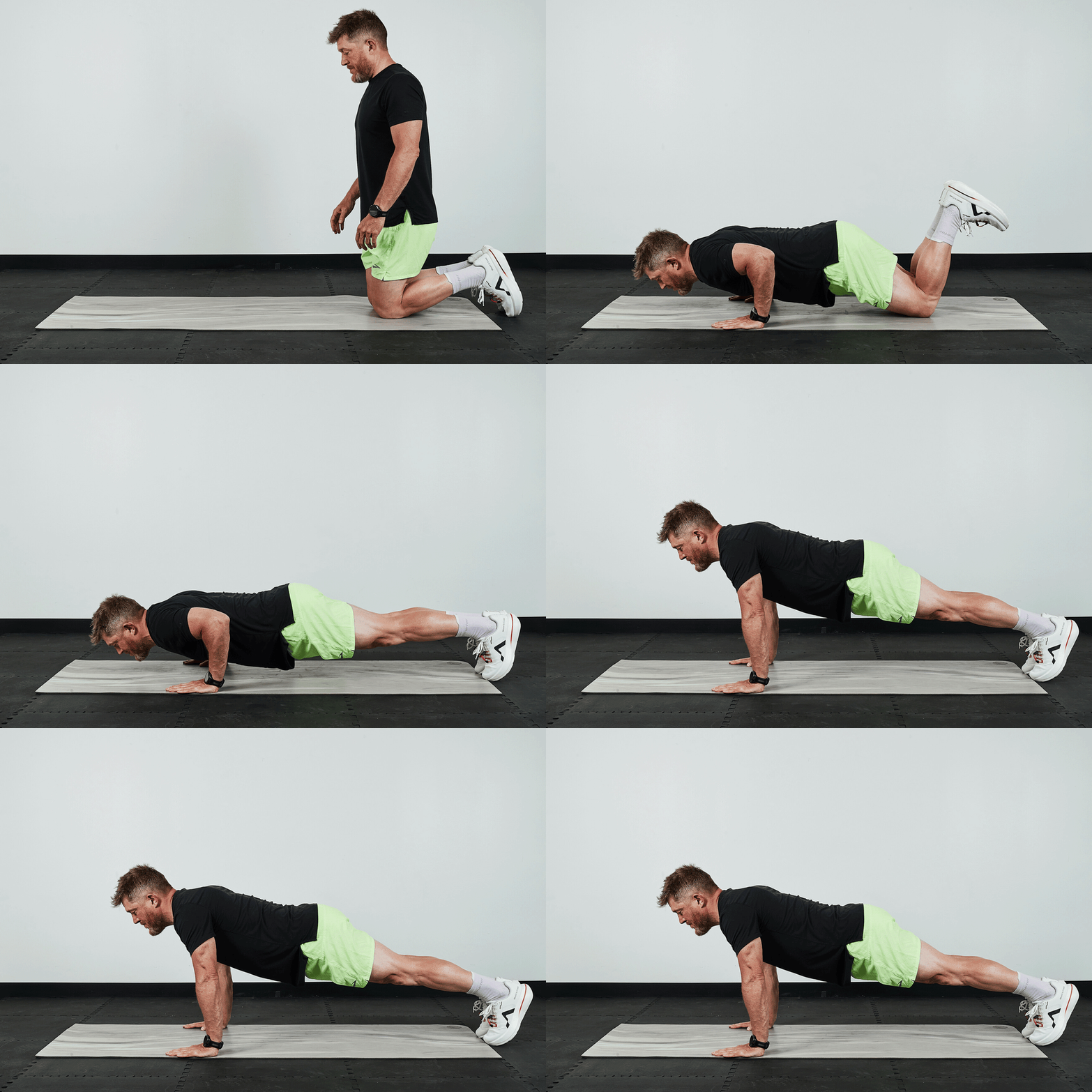
A great way to find your most neutral hand position for doing push-ups is simple: Start tall on your knees, then let yourself fall forward and catch yourself with your hands. From there, look at where your hands naturally landed, then set up for your push-up in that position.
For many riders, this is a more natural and shoulder-friendly placement than forcing the hands too wide or too narrow. It can help you find a strong base that lets your shoulders, wrists, and chest work together more comfortably.
Key Parts of Good Push-Up Form
1. Stack your hands under your shoulders
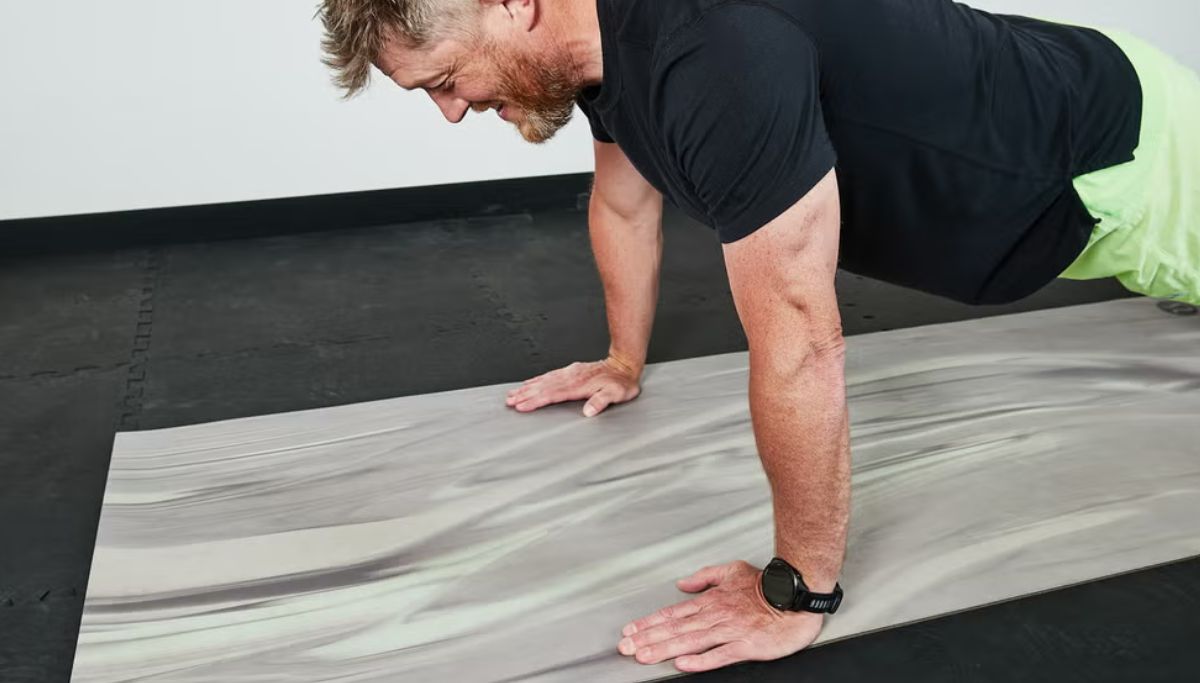 Photo: Trevor Raab
Once you’ve found your natural hand placement, make sure your hands are set up so you can press evenly through the floor. This gives you a stronger, more efficient push, helps ensure you’re recruiting the right muscles, and keeps excess stress out of the shoulders.
2. Keep your shoulders packed and away from your ears
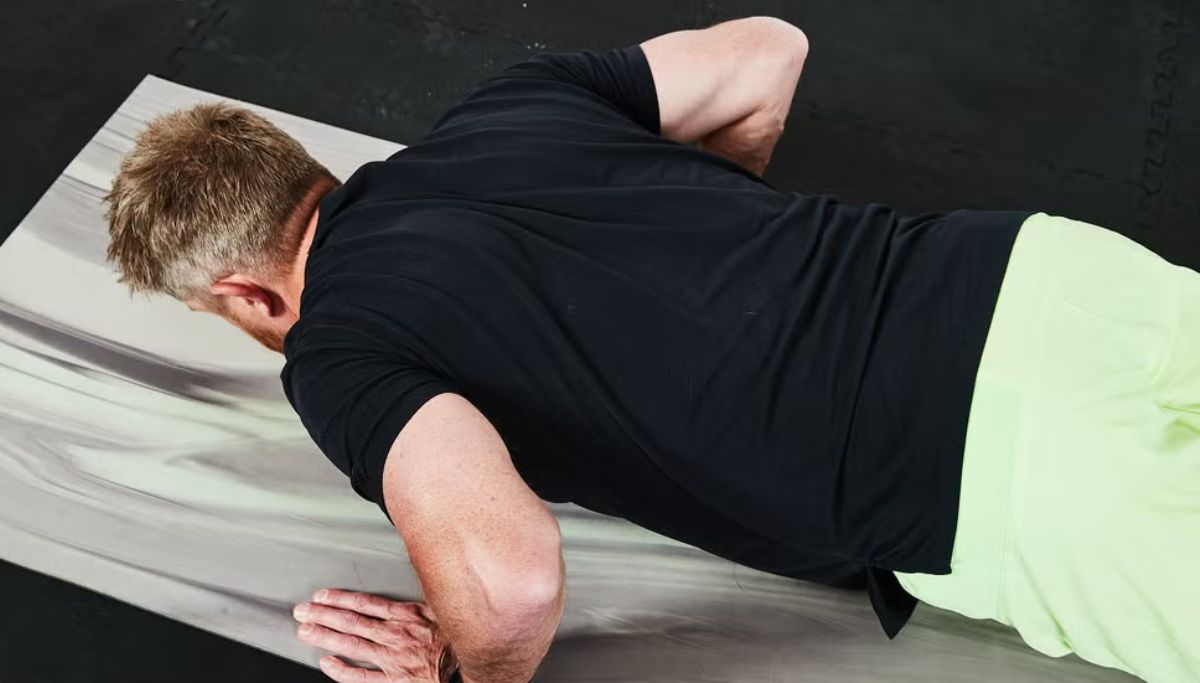 Photo: Trevor Raab
Think about gently pulling your shoulder blades into a stable position instead of collapsing through the upper back. This helps build the postural strength cyclists need and keeps the neck and shoulders from doing extra work. Avoid shrugging; keep the shoulders stable and the upper back engaged.
3. Maintain a neutral neck with your chin slightly tucked
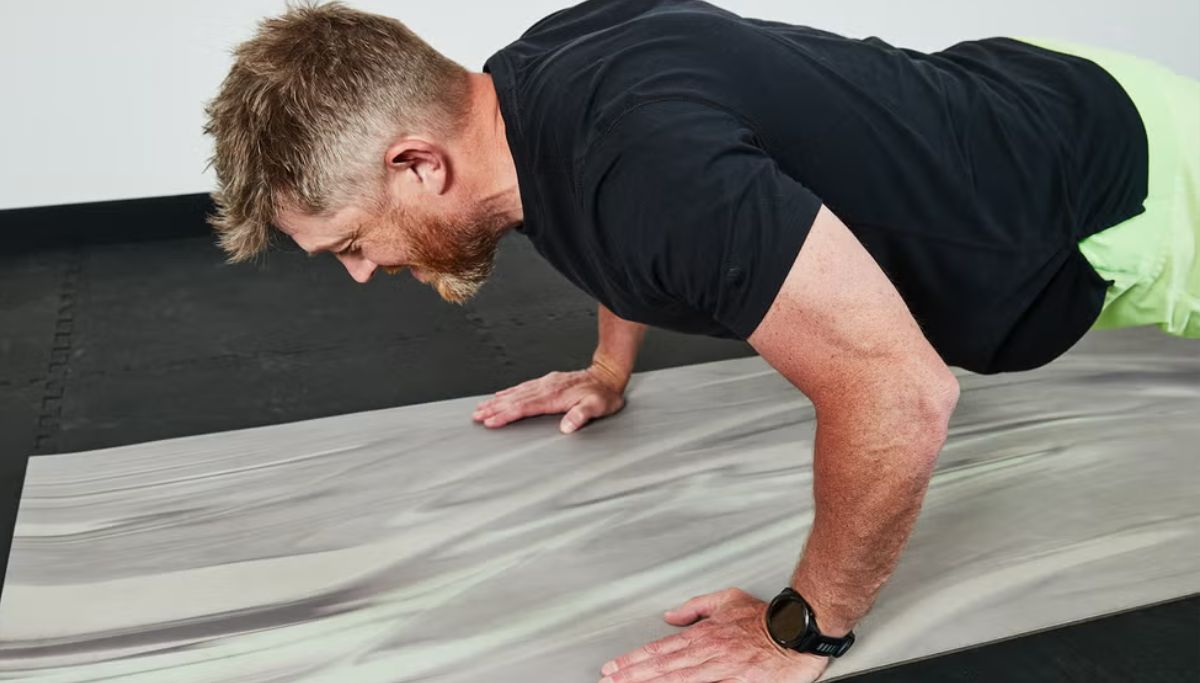 Photo: Trevor Raab
Don’t crane your head forward or reach your chin toward the floor. Your head should stay in line with the rest of your spine, which helps reduce tension through the neck and upper back.
4. Engage your core and avoid sagging through the low back
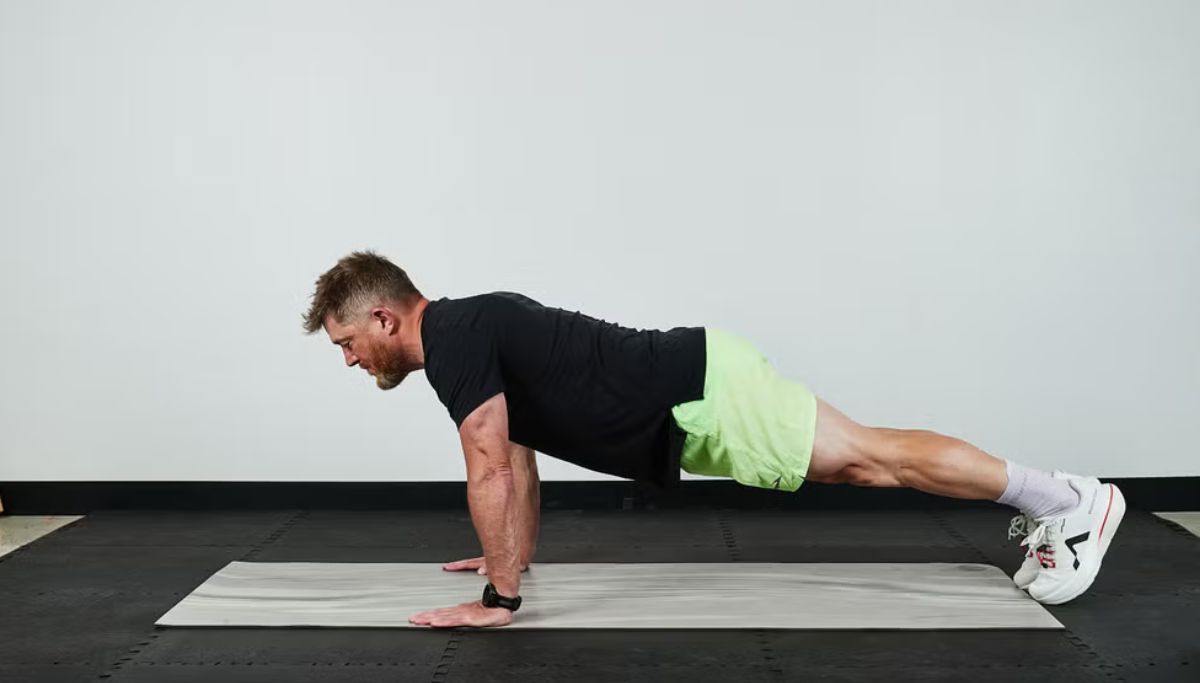 Photo: Trevor Raab
Think of your body as one long line from head to knees if doing a modified push-up, or head to heels in a full push-up. Brace your core, squeeze your glutes, maintain a neutral pelvis and resist the urge to let your hips drop.
This is the part that makes push-ups especially valuable for cyclists with back pain: You’re training trunk stability and core strength, not just chest, shoulder, and arm strength. Avoiding lumbar sag helps prevent excess extension through the lower back, which is especially relevant for cyclists already sensitive there.
If you can’t maintain those positions in a traditional push-up, that’s your cue to modify, not muscle through. Drop to your knees and do modified push-ups, remembering that all the same alignment cues for regular push-ups still apply. You’ll be much better off building strength with clean reps than practicing poor mechanics in a full plank position. Master the movement first, then progress the variation to make it more challenging.
For cyclists, that’s where the real payoff lies. A well-executed push-up doesn’t just build strength. It reinforces the posture, trunk control, and upper-body support needed to stay more comfortable and efficient on the bike. Over time, that can mean less collapsing through the torso, less excess tension in the neck and shoulders, and less unnecessary stress on the lower back, especially during longer rides.
This article originally appeared on bicycling.com
READ MORE ON: injury prevention push-ups strength training