How Fartlek Training Can Make You a Faster, More Adaptable Cyclist
These playful cycling workouts build speed and feel like fun, not work.
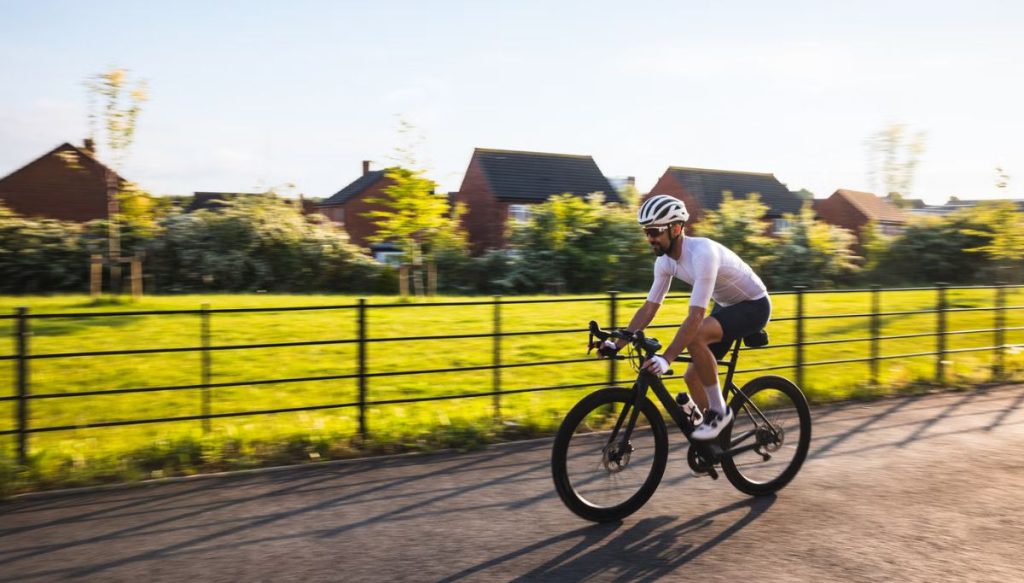
If you want to get faster on your bike without turning every ride into a serious, minute-by-minute workout plan, then you will love fartlek intervals. Fartleks, the Swedish word for “speed play” that was first coined for runners, are high-intensity interval training (HIIT) workouts that allow you to ride more by feel than by following a prescribed format.
“Mastering fartlek intervals gradually acclimates your physical and mental systems to increased challenges.”
Like any HIIT workout, fartleks improve your fitness by challenging your body with short bursts of power and speed, and they are adaptable to elements like weather and terrain. Mastering these intervals gradually acclimates your physical and mental systems to increased challenges. Over time, they don’t feel as hard and aren’t as physically challenging to your body, which means you have become fitter and ready for tougher challenges.
In fact, according to a 2021 review published in The International Journal of Environmental Research and Public Health, HIIT improves fitness and metabolic health in both active and inactive populations. That’s because the workouts are structured to challenge everyone, no matter where they are on the fitness pendulum.
Using individual parameters, cyclists maintain a steady level of zones 2 to 4 interspersed with surges that build up from there. These surges improve every cyclist’s ability to tolerate discomfort. The more an athlete trains this way, the more their oxygen uptake system responds efficiently and is better able to deal with harder work.
Fartleks also help cyclists train for races and group rides, says Tim Delss, founder and head endurance sports coach at CB Multisport. During a race, you have to react in the moment. You don’t know how long that push will last or how hard it will be. Fartlek intervals are like that, too. Your neuromuscular coordination improves its ability to adapt to changes in cadence and position, such as getting out of the saddle or having to ride into the wind.
In fact, riding outside is almost always, on some level, a fartlek ride, due to unexpected changes in weather, road conditions, and traffic, among other surprises.
Indoor rides are less likely to offer those challenges, which is both good and bad news for training. “Cycling on a trainer inside is sort of a perfect situation because there are no stop signs, red lights, traffic, or hills. You can execute flawlessly. You need to train in a way that’s adaptable to where you are performing,” explains Delss.
That’s where fartlek rides come in.
How to Do Intervals Without Metrics
To get started, you can just go out on the road — or get on your trainer — and start to ride with no plan, speeding up or increasing your resistance on a whim. Being spontaneous will help improve your reaction time during a race or group event, says Delss.
However, the most effective training rides have a concept and help you accomplish a training goal, Delss says. To that end, you’ll want to use heart rate or rate of perceived exertion to measure your interval intensities.
“You should know what your intensity levels feel like, and the more you train with those ideas, the more in touch you are with your abilities,” Delss says. “The data and technology is great, but you don’t want to always rely on that in a race.”
Before you get on the bike, whether indoor or out, determine your initial workout goal and play from there. For example, to build leg strength, do some hill intervals, and when you want to work on cardio fitness, focus on speed intervals. As you progress, you can add intensity goals onto the original intervals.
Of course, some rides should have the goal of “fun,” which means going out with no plan or goal other than a great, stress-free ride. Those help both your fitness and your mental health!
Two Outdoor Fartlek Workouts
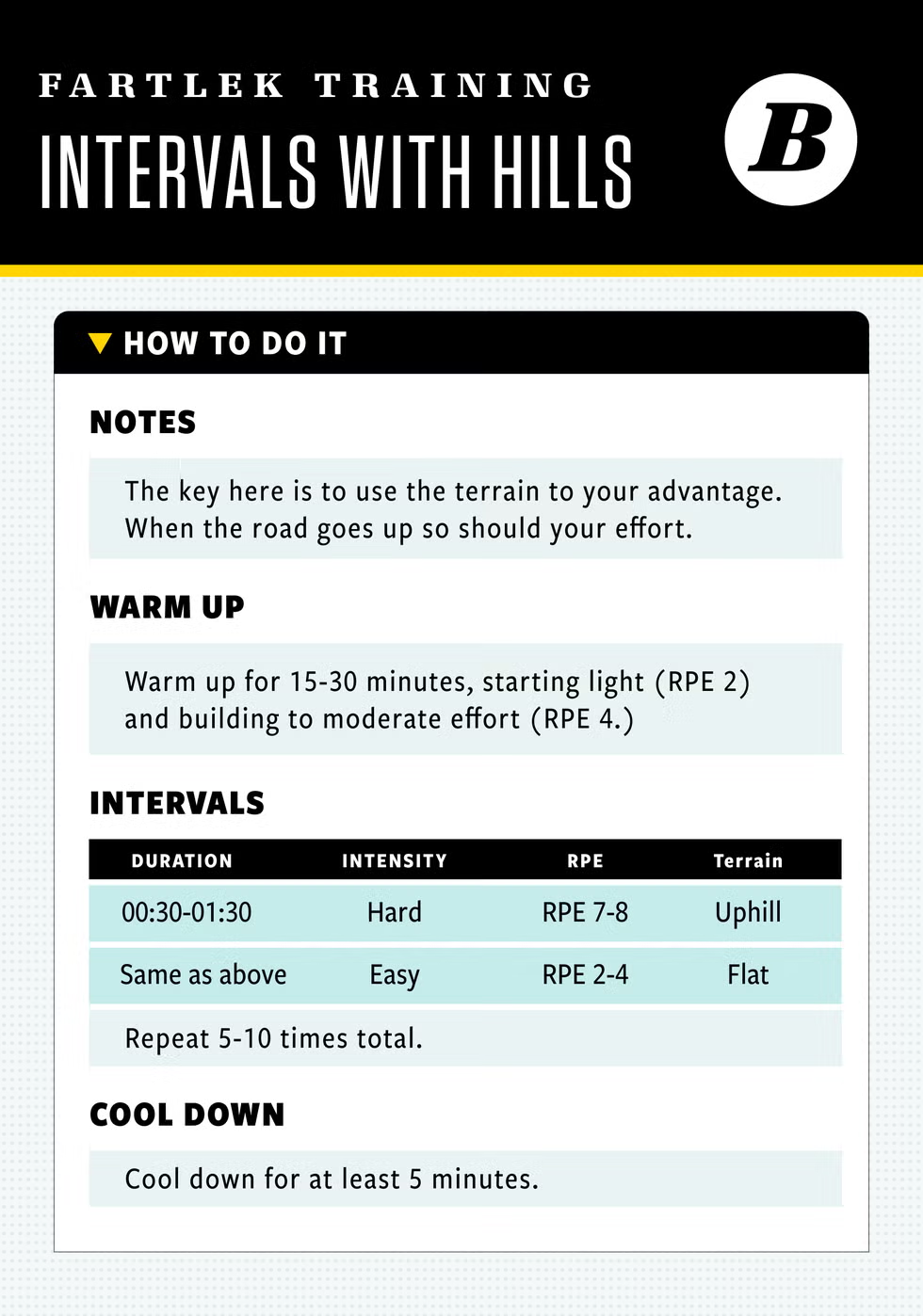
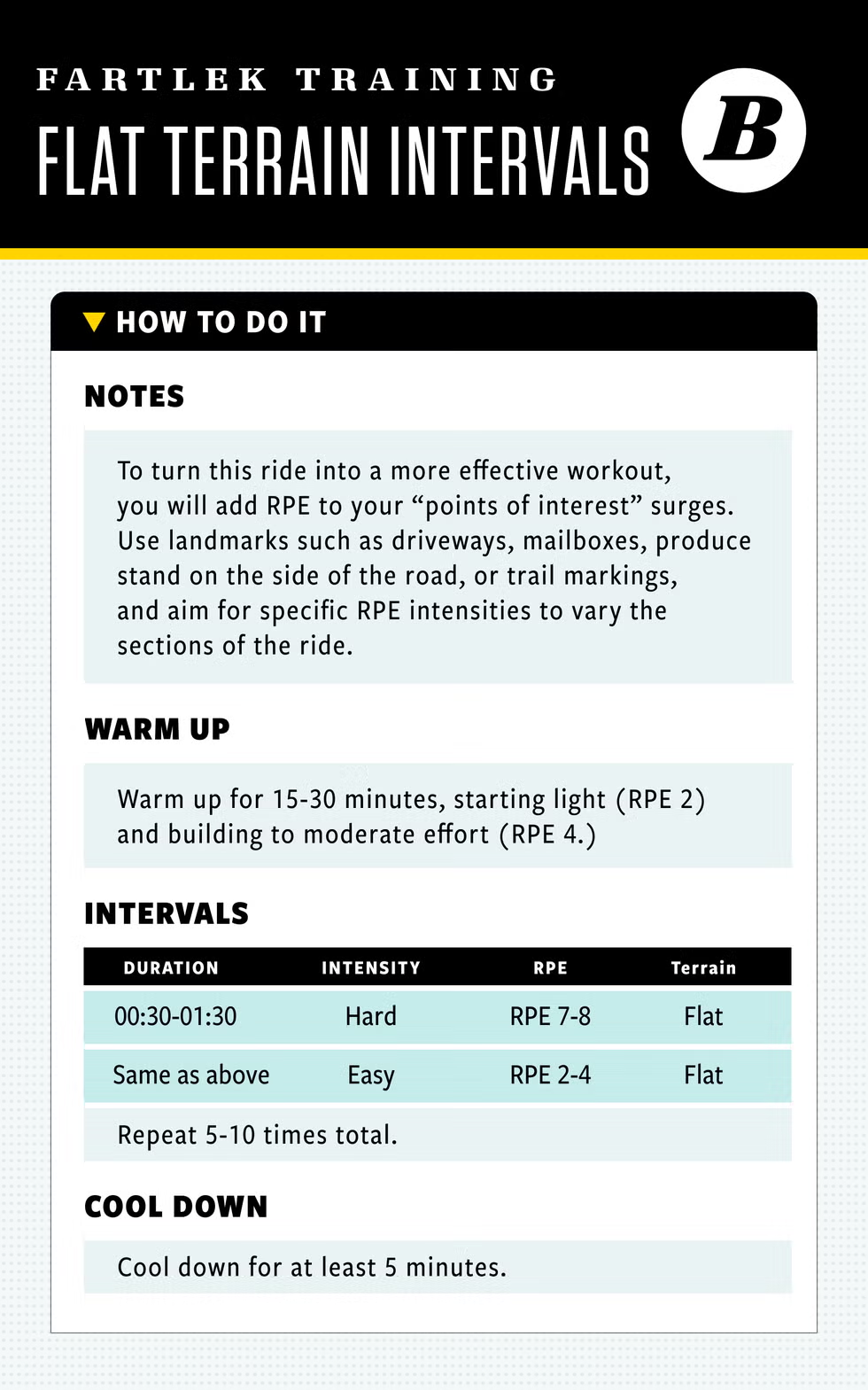
The first ride builds cycling-specific strength with hills. The second builds aerobic fitness with speed intervals. Be sure to give yourself equal time for recovery. If your hard interval is 90 seconds, then your recovery time before the next interval should be at least 90 seconds.
Intervals with Hills
This article originally appeared on bicycling.com
READ MORE ON: Fartlek training workouts