
Your Old Mutual Double Century Survival Guide: Exactly What to Do Before, During and After
How to survive the Old Mutual Double Century (and maybe even thrive), with expert advice from veteran coach Morné Bester. Spoiler: It starts with proper training…
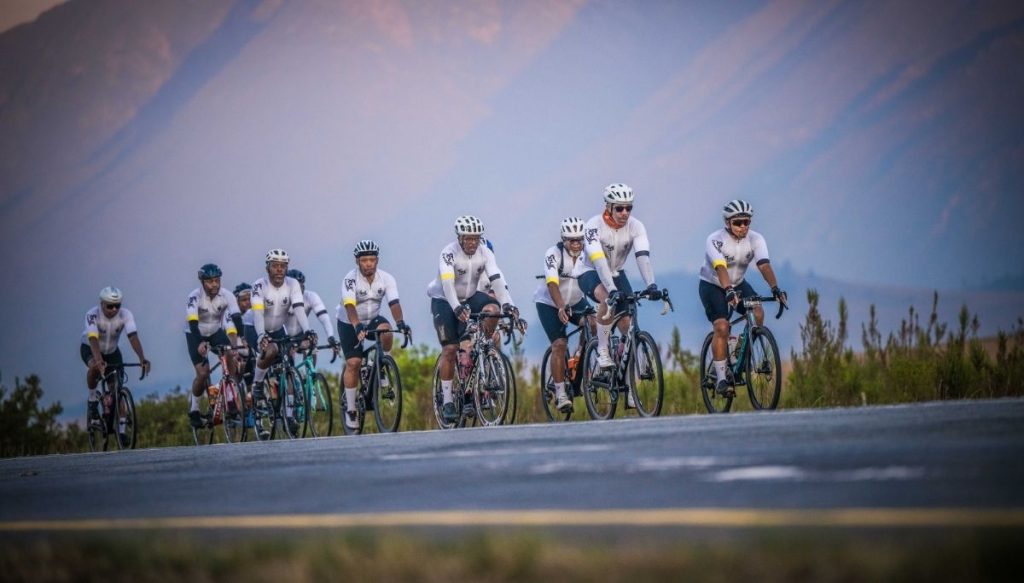
The Old Mutual Wealth Double Century is not just a demanding 12-person team time trial in the middle of the Overberg. It’s 202 kilometres of pacing, eating, drinking, concentrating, strategising, pedalling, and trying not to race away or get dropped by your (alleged) teammates.
For the uninitiated, the race (or ‘ride’, if you’re just going out to enjoy the scenery) will take you and your team of between six and 12 riders on a loop from Swellendam through Suurbraak, Barrydale, Montagu, Ashton, Robertson and Bonnievale, before returning to Swellendam. The first section includes Tradouw Pass and Op de Tradouw, but it’s the final run home – and the infamous final three hills – that expose you, especially if you started too quickly.
Or neglected to tick all your endurance training boxes during the winter months…
Former pro rider Morné Bester, a past winner of the Cape Town Cycle Tour, lays down the cold, hard facts: “If you haven’t trained properly for the Double Century, you’re going to suffer. You need to do the long rides. You need to build that base. You can’t expect that to happen overnight.
“The worst thing you can do is arrive at the event without enough hours in your legs. It will catch up with you – usually in the final 30 or 40 kilometres, when the hills start.”
Yes, unfortunately there are no clever tactics, supplements or inspirational team speeches that can replace the necessary hours in the saddle.
ONE MONTH TO GO
Accumulate the (extra) hours
Ideally, your longest rides – and the bulk of your endurance training – should already have been completed by now. If not, then the first seven to 10 days of your final month ahead of the Double Century can provide one last opportunity to spend meaningful time on the bike.
“Doing a lot of short, high-quality work is not going to help you as much as getting in the hours.”
“At this stage, doing a lot of short, high-quality work is not going to help you as much as getting in the hours,” says Bester. “This is such a long event – you’re not really going to use that top-end work. You need endurance.”
Exactly how much riding you can do will depend on work, family and other commitments. A professional cyclist might be able to ride for five hours on a weekday, but somebody working from nine to five probably can’t. (Although, if your boss truly loved you, he or she wouldn’t mind…) Bester’s advice is to use the available time sensibly, rather than abandon training altogether.
During the first week of the final month, aim for a concentrated block of riding. Take Monday and Tuesday as rest days, then ride for two hours on Wednesday and Thursday. If possible, stretch Friday’s ride to three hours.
Use Saturday and Sunday for your longest rides. Depending on your fitness and available time, this could mean covering 100- 150 km on Saturday and Sunday, or simply riding for as many hours as your circumstances allow. The purpose is not to chase speed or Strava records. It’s to become accustomed to turning the pedals for a long time.
Starting this block on Wednesday means that you’ll reach the weekend with some fatigue in your legs already. This is useful preparation for the later stages of the DC, when you’ll have to continue riding despite no longer feeling particularly fresh.
“You have to do some hours on tired legs,” Bester says. “If you know the Double Century is going to take your team eight hours, you need to have prepared for that. It takes months to build endurance; but in that first week of the final month, you should still do as much as your time allows.”
The final month before race day is also the time for the team to ride together. Identify the weaker riders, practise following a wheel, and agree on a pace that everybody can sustain. A Double Century team is only as effective as its ability to look after its riders.
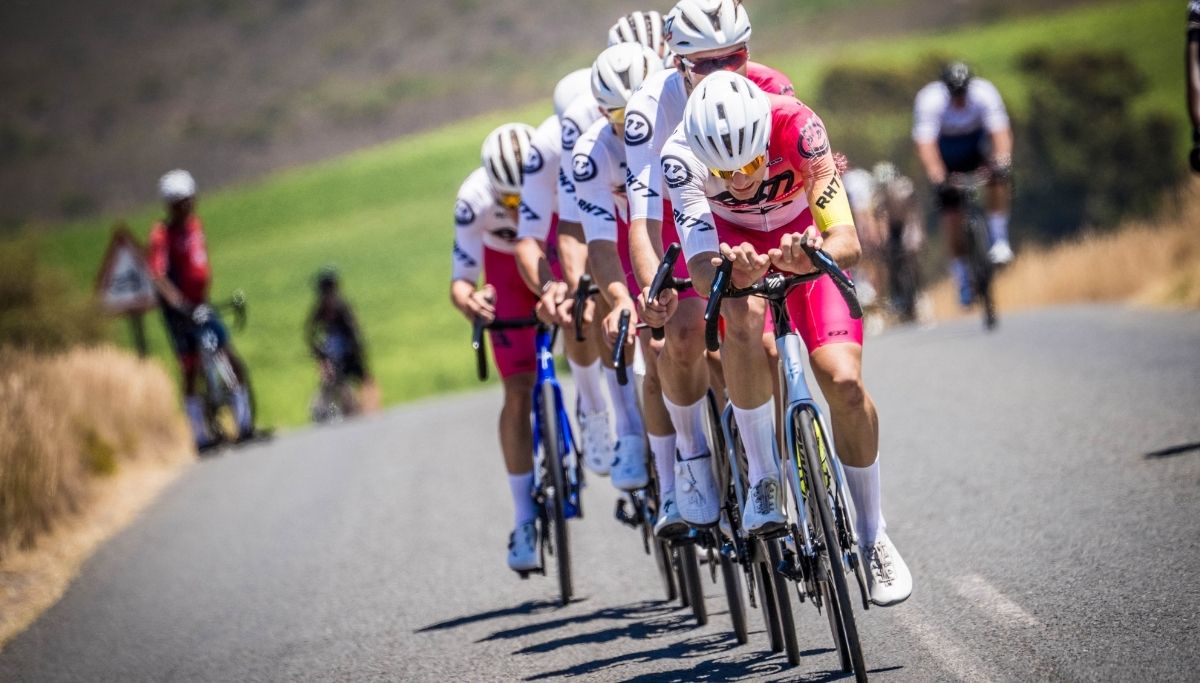
Practise riding in a straight line, with each cyclist positioned properly behind the wheel ahead. Novice riders often leave a gap or sit slightly to one side, exposing themselves to the wind and wasting energy.
“Most of the route is flat and fast, so you can save a lot of energy if everyone sits on the wheel properly,” says Bester. “The stronger riders should sit at the front and do the turns. The weaker riders must stay protected. This is true in training and at the race.”
TWO WEEKS TO GO
Recover, then sharpen gently
Once the high-volume block is complete, take three or four days of proper recovery. You can’t absorb the training if you never give your body the chance to recover from it.
With roughly two weeks remaining, introduce a little intensity to keep the legs responsive. Bester suggests short, time-trial-style efforts on Tuesday and Thursday, separated by generous recovery periods. These should be controlled efforts, not sessions that leave you exhausted.
“You can do a little quality work to keep the legs sharp, but don’t push too hard,” he says. “Include some efforts, recover properly between them, and keep the cadence light.
“In the final week, you can’t get fitter or stronger. You need to enjoy this recovery time and make sure you arrive in Swellendam in a good mental and physical space. Ideally, you want to be on the start line rested, without having let your legs become sluggish. On the Monday before the race, rest, then include easy spins during the week. If you’re travelling on Friday, try to fit in a gentle 30- to 40-minute ride after the journey.”
When Bester says ‘easy’, he means it. Find a flat road, avoid large gears, and turn the pedals smoothly, at a cadence of 90 to 110. The purpose is circulation and movement, not training stress.
“People misunderstand a light spin,” he says. “It should be a light gear with a good cadence. You do not want to push a big gear.”
If riding with friends, resist the inevitable temptation to half-wheel one another until an easy ride quietly becomes a race. You’re not going to win the Double Century on a Friday afternoon shakeout ride, but you can certainly make Saturday more difficult.
“Please don’t get fired up and race your tjommies around Swellendam the day before the race.”
“Please don’t get fired up and race your tjommies around Swellendam the day before the race,” Bester says. Wisely.
ONE DAY TO GO
Stick to what you know
Big events make people behave strangely. Riders change their diets, adjust perfectly functional bicycles and buy unfamiliar nutritional products, because they suspect that one last intervention might unlock previously undiscovered talent.
Bester’s advice is simple: do not change things just because you’re nervous.
“Stick to your normal routine,” he says. “If you usually eat oats for breakfast, eat oats. Don’t try something new because you think it will make you faster.”
Eat familiar carbohydrate-rich meals during the day without stuffing yourself to the point of discomfort. Carbs provide the energy you’ll need, but an enormous plate of pasta the night before is more likely to interfere with your sleep than transform your legs.
Use Friday to prepare everything systematically. Lay out your helmet, shoes, gloves, eyewear, timing equipment and riding kit. Most importantly, pack a good pair of cycling shorts.
“Do not leave your favourite shorts at home,” Bester says. “For an event this long, I would suggest you invest in a proper, quality pair of bibs – just, don’t buy them the day before!”
Your bicycle should be checked before travelling, rather than rebuilt in Swellendam on Friday night. Pay particular attention to the drivetrain: the cassette, chain, chainrings, derailleurs and shifters.
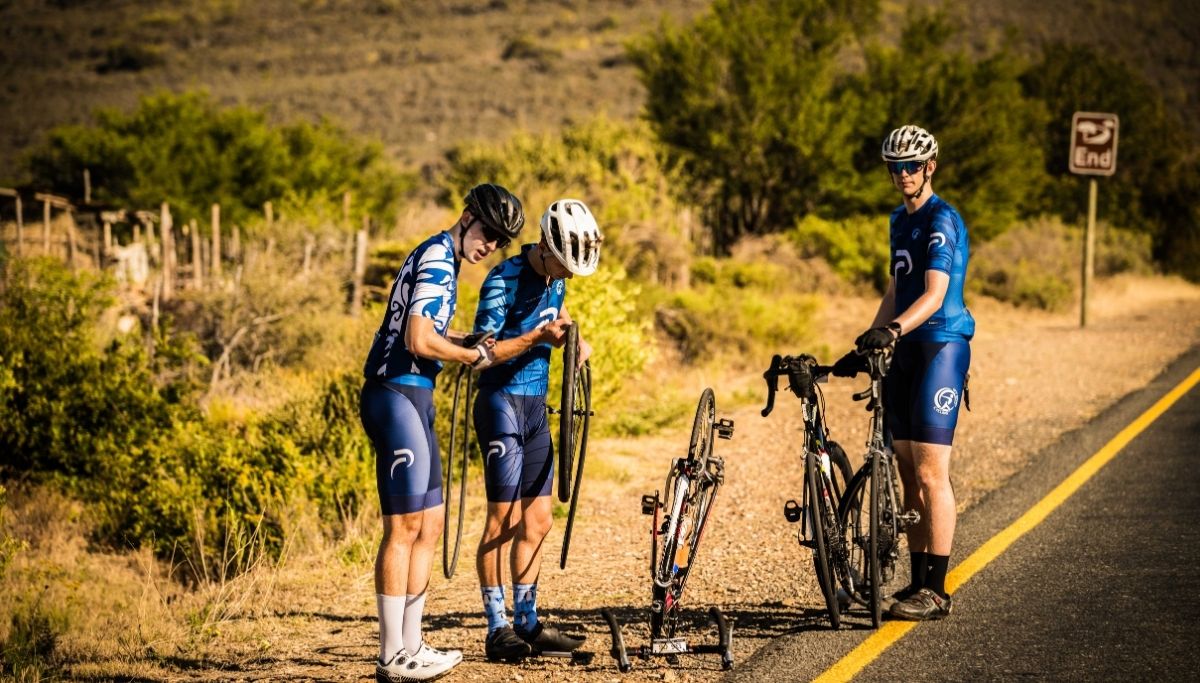
Charge batteries for anything electronic, check the brakes, and – importantly – check your tyres. You don’t want to be that guy who shows up at the start with perished tyres and tubes you last checked before the Cape Town Cycle Tour in 2014. Bad tyre and tube maintenance will raise the risk of punctures, and raise the blood pressure of your entire team.
Long before the event, make sure your bike has suitable gearing for the climbs on the DC. “You must be able to turn the gear over,” says Bester. “If your easiest gear is too hard, you’re going to struggle. You want to be able to spin up the climbs.”
Finish the day before with a familiar meal, prepare your breakfast and bottles, and get to bed at a sensible time. You may not sleep perfectly – pre-event nerves and early alarms see to that – but resting quietly is still better than spending the evening making last-minute changes, or frantically looking for the helmet that might or might not still be on the shelf in your garage.
“You know, it happens to everyone,” Bester says. “Even when I was racing, there would be elite riders looking for their shoes minutes before the start…”
ON THE DAY
Start eating early, and ride for the team
Eat breakfast approximately 90 minutes before your start. Once again, choose food you know, and avoid overeating. The objective is to begin fuelled, not bloated.
On the bike, start eating before you feel hungry. Bester recommends taking in something every 30 to 45 minutes. Waiting until you’re ravenous means you’ve already fallen behind, and solid food can take time to digest.
“People forget to eat and then arrive at a stop extremely hungry,” he says. “They eat too much at once, but that food can take half an hour to help them. You need to eat consistently, from early in the ride.”
Suitable options include sandwiches, potatoes, pancakes, muffins, bars and other familiar sources of carbs. Bester recalls racing with simple bread, butter and jam. “A few years ago, I was assisting a team at the DC, and I wandered over to have a look at what the elite riders were eating at the break – they all had flapjacks.”
The exact menu matters less than whether you’ve tried it in training and know that your stomach can tolerate it.
Avoid relying exclusively on very sugary food from the start. Save sweeter drinks, Cokes and sugary bars for later in the ride, or before demanding climbs, when rapidly available energy may be more useful.
But again, no amount of eating can compensate for inadequate preparation! “If you haven’t done the training, you can eat whatever you want and you’re still going to feel bad,” says Bester. “Sugar is not a substitute for hours of training.”
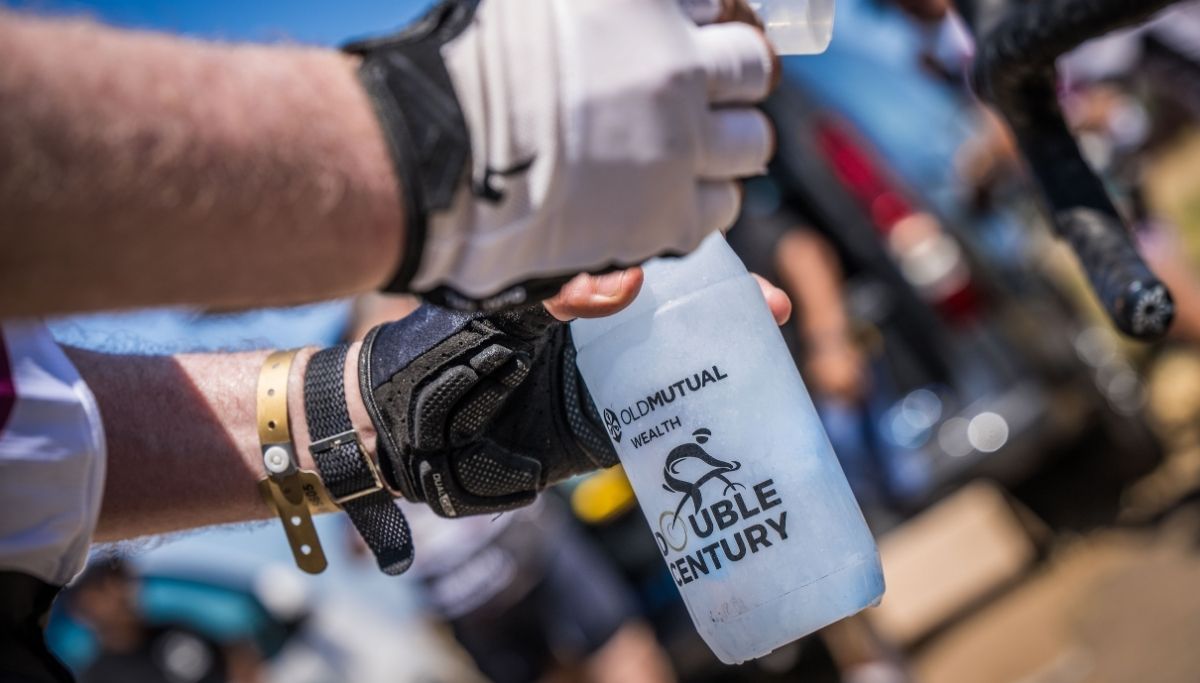
Carry enough fluid, and keep one bottle for plain water. An energy drink provides carbs and electrolytes, while water allows you to rinse your mouth, cool off in hot conditions, and take a break from sweetness. Drink regularly, without forcing excessive amounts.
Cold weather can be deceptive, because riders don’t always feel thirsty. Your body is still working and using energy to stay warm, so remind each other to drink.
It’s also important to stick to your plan. At team support zones, be organised. Decide beforehand who will hand out bottles and food, and what each rider needs. Long, unfocused stops allow the legs to cool and can make restarting surprisingly unpleasant.
“I’ve seen teams waiting around for ages,” says Bester. “Keep the stops as short as possible. Get what you need, and get going again.”
On the road, pace according to the weaker riders. A comfortable cadence for many novices will be somewhere around 75 to 90rpm, although individual preferences vary. The riders at the front must set a speed that those at the back can maintain.
Stronger cyclists can take longer turns in the wind, but this doesn’t give them permission to demonstrate their strength on climbs.
“On Op de Tradouw, it doesn’t help to show your friends how strong you are,” says Bester. “Sit back and help the weaker riders. Ride at their pace.”
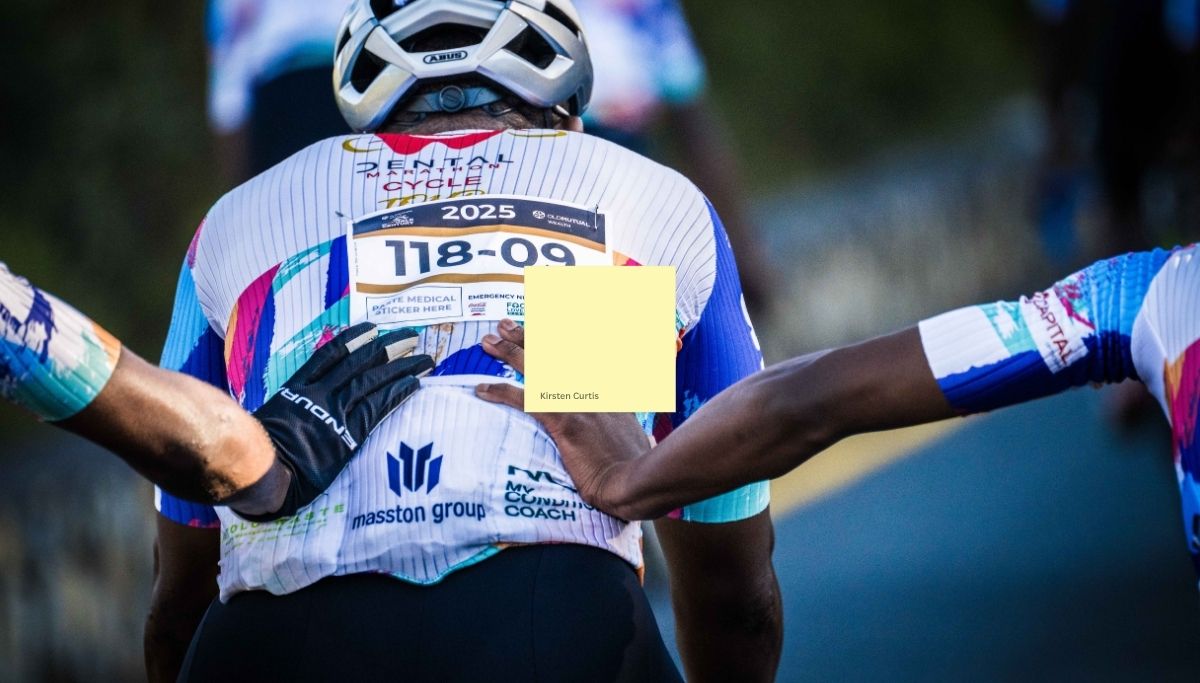
A strong rider can move behind a struggling teammate to offer encouragement and shelter, or ride steadily ahead to provide a wheel. What the strong rider shouldn’t do, even if he or she has just bought a new bike, is surge away and force the weaker cyclist to close gaps repeatedly.
“You either pull your teammate along, or you break them,” Bester says.
“The last 30-40km are where early enthusiasm, errant refuelling and insufficient training usually present their invoices.”
The first 160km are crucial. Ride this part of the race conservatively enough that the team still has something left for the final section. The last 30-40km are where early enthusiasm, errant refuelling and insufficient training usually present their invoices.
But at the same time, don’t overanalyse every kilometre. Know the major climbs, support zones and final difficulties, then deal with the route one section at a time.
“Don’t spend too much time agonising over the route map,” says Bester. “You’ve entered. You’re going to ride the distance. There’s no point stressing about every twist and turn.”
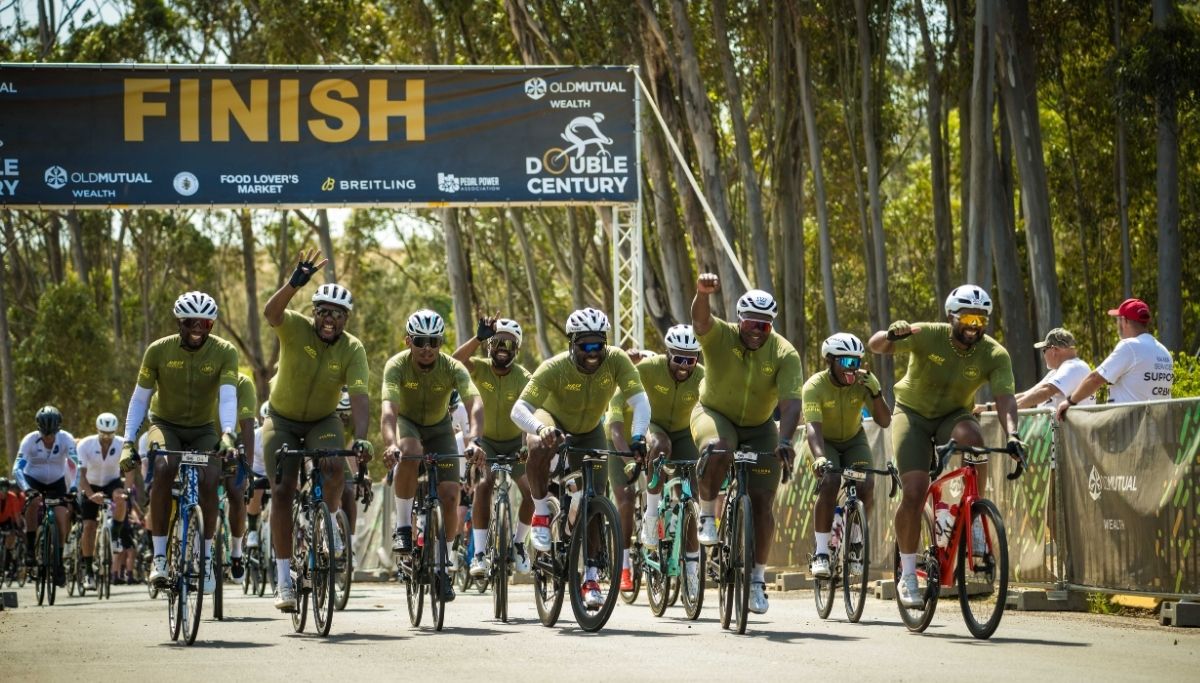
THE DAY AFTER AND THE DAY AFTER THAT
Pick your next race…
Recovery starts immediately after the finish. Begin replacing fluids, have a recovery drink that you’re familiar with, and eat a carbohydrate-rich meal when you’re able to. (And do all of this before you have your first beer!)
“Also, get off your legs!” Bester advises. “I always see people standing and chatting after riding. Just sit down and relax for a bit.”
The following day, an easy 45- to 60-minute ride on flat roads can help loosen stiff legs. Keep the gear light, the cadence comfortable and the effort genuinely easy. This is active recovery, not a bonus training session.
“People often do nothing after a big event,” says Bester. “A short, easy spin is very important. It gets the legs moving again, and helps with recovery.”
Continue eating normally, rehydrate, and give your body enough rest before returning to structured training. If pain is unusual, persistent or more serious than ordinary post-event stiffness, have it assessed rather than attempting to ride through it.
The bigger challenge often arrives several weeks later, when the Double Century photographs have been shared, the group chat has gone quiet, and the bike begins gathering dust.
Bester recommends choosing another event to provide direction. It could be the Cape Town Cycle Tour, a mountain-bike race, or another achievable summer goal. Regular events give training a purpose, and make it easier to preserve the fitness you worked so hard to build.
“You have to find what motivates you,” he says. “For many riders, it helps to have another race coming. Then you know you need to keep some form.”
READ MORE ON: Double Century